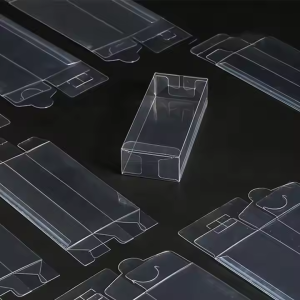
Cardstock, also called card stock or cover stock, is a thick and durable type of paper that sits between regular paper and cardboard in terms of weight and rigidity.
It is widely used in printing, packaging, and crafts because it offers excellent strength while still being flexible enough for cutting, folding, and printing.
Compared with standard office paper (typically 70–100 gsm), cardstock usually ranges between 150 gsm and 400 gsm, making it ideal for products that need structure and durability.
Common uses include:
- Business cards
- Greeting cards
- Invitations
- Packaging inserts
- Folding cartons
- Brochure covers
- Postcards
Because of its strength, printability, and premium appearance, cardstock is widely used in commercial printing and packaging manufacturing.
The Manufacture of Cardstock
Raw Materials and Initial Processes
The creation of cardstock begins with the selection of raw materials. The primary ingredient is wood pulp, derived from hardwood or softwood trees. Hardwood pulp, made from trees like birch and maple, produces shorter fibers, resulting in a smoother finish. Softwood pulp, from trees such as pine and spruce, has longer fibers that provide strength and durability.
- Pulping: The wood is chipped and processed through either mechanical or chemical pulping methods. Mechanical pulping grinds the wood chips into pulp, while chemical pulping uses chemicals to break down the lignin that binds the fibers together, resulting in a higher quality pulp.
- Bleaching: To achieve the desired whiteness and purity, the pulp is often bleached. This process removes any remaining lignin and impurities, ensuring a clean, bright base for the cardstock.
- Mixing and Additives: The pulp is then mixed with water and various additives, such as sizing agents (to control absorbency), fillers (for opacity and smoothness), and dyes (to achieve specific colors).

Forming the Sheets
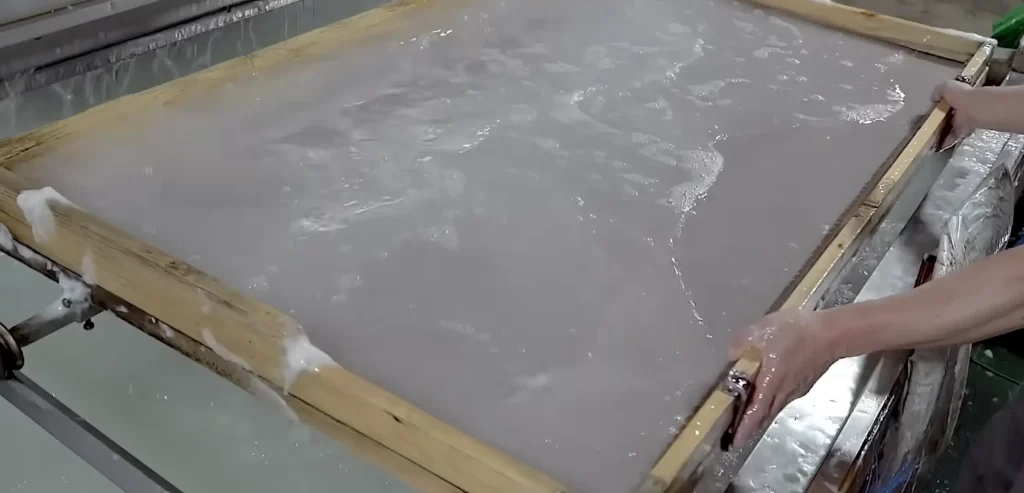
The pulp mixture is spread onto a moving wire mesh, where water is drained away, leaving a mat of fibers. This wet mat undergoes several stages of pressing and drying to remove additional moisture and compress the fibers into a dense, uniform sheet.
- Pressing: The wet mat is passed through a series of rollers that press out excess water and begin to form the sheet’s structure.
- Drying: The pressed sheet is then dried using heated cylinders or air dryers. This step ensures the final product has the appropriate moisture content and stability.
- Calendering: For a smooth, glossy finish, the dried sheets are passed through calendering rollers. This process compresses the fibers further and enhances the surface texture.
The Structure of Cardstock
Cardstock is defined by two primary measurements:
Thickness (Points)
Thickness is measured in points (pt).
1 point = 0.001 inch
Typical cardstock thickness ranges from:
| Thickness | Usage |
|---|---|
| 10–14 pt | postcards |
| 16–24 pt | business cards |
| 24–32 pt | premium packaging |
| 80–110 pt | rigid boards |
Weight (GSM)
Cardstock weight is commonly measured in grams per square meter (gsm).
| Weight | Typical Application |
|---|---|
| 150–200 gsm | flyers, brochures |
| 200–300 gsm | greeting cards |
| 300–350 gsm | folding cartons |
| 350–400 gsm | premium packaging |
Higher GSM means greater rigidity and durability.
Surface Finish
Surface finish affects both appearance and print performance.
Matte Finish
- Non-reflective
- Elegant and professional
- Easy to write on
- Common for business cards and invitations
Glossy Finish
- Smooth and reflective
- Enhances colors and images
- Often used for marketing materials

Textured Finish
Examples include:
- Linen
- Vellum
- Canvas

These finishes add a premium tactile feel and are popular for luxury stationery.
Types of Cardstock
The versatility of cardstock is evident in the wide array of types available, each designed for specific applications and aesthetic preferences. Here are some of the most common types:
Standard Cardstock
General-purpose cardstock available in many weights and finishes.
Commonly used for crafts, printing, and promotional materials.
Cover Stock
A heavier cardstock designed for:
- Book covers
- Brochures
- Catalog covers

It offers extra durability and professional appearance.
Index Cardstock
Typically lighter and used for:
- Index cards
- File dividers
- Tabs
It balances strength with easy handling.
Tag Stock
A thick and rigid cardstock used for:
- Hang tags
- Labels
- Product tags
It resists bending and tearing.
Specialty Cardstock
Pearlescent Cardstock
- Shimmering surface
- Used for luxury invitations
Metallic Cardstock
- Reflective metallic finish
- Ideal for high-impact printing

Kraft Cardstock
- Made from unbleached pulp
- Natural brown appearance
- Popular for eco-friendly packaging

Patterned Cardstock
- Pre-printed designs
- Saves design time for craft projects
Applications and Benefits of Cardstock
The diverse properties of cardstock make it suitable for an extensive range of applications, each benefiting from its unique characteristics.
Arts and Crafts
Cardstock is a staple in the arts and crafts world, used for:
- Scrapbooking: Its durability and variety of finishes make it perfect for creating scrapbook pages that withstand handling and display.
- Card Making: From birthday cards to holiday greetings, cardstock provides a sturdy base for handmade cards, accommodating various embellishments and techniques.
- Paper Crafts: Cardstock’s thickness and stability are ideal for creating three-dimensional paper crafts, such as boxes, ornaments, and models.
Professional Printing
In professional settings, cardstock is essential for producing high-quality printed materials:
- Business Cards: Heavier cardstock ensures business cards are durable and professional-looking, making a lasting impression.
- Brochures and Flyers: Glossy or matte cardstock enhances the visual appeal of promotional materials, attracting attention and conveying a message effectively.
- Postcards: Thick, sturdy cardstock is perfect for postcards, ensuring they withstand mailing and handling without damage.
Home and Office
Cardstock’s versatility extends to home and office use, including:
- Organizational Tools: Index cards, file dividers, and labels made from cardstock help keep information organized and easily accessible.
- Home Décor: Cardstock can be used to create custom home décor items, such as wall art, photo frames, and decorative accents.
- Event Planning: From invitations and place cards to banners and decorations, cardstock plays a crucial role in crafting personalized elements for events and celebrations.
Environmental Considerations
As the demand for sustainable products grows, the environmental impact of cardstock production has come under scrutiny. Manufacturers are increasingly adopting eco-friendly practices:
- Recycled Cardstock: Made from post-consumer waste, recycled cardstock reduces the demand for virgin pulp and minimizes environmental impact.
- FSC Certification: The Forest Stewardship Council (FSC) certifies cardstock made from responsibly managed forests, ensuring sustainable sourcing practices.
- Alternative Fibers: Some cardstock is made from alternative fibers, such as cotton or bamboo, reducing reliance on traditional wood pulp.
Conclusion
Cardstock is a versatile material widely used across printing, packaging, crafts, and professional design. Its combination of thickness, durability, and print quality makes it an essential material for everything from business cards to retail packaging.
Understanding cardstock weight, thickness, and finishes helps businesses and designers choose the right material for their projects.
As sustainable materials continue to evolve, cardstock is also becoming a more eco-friendly solution, with recycled and FSC-certified options now widely available.