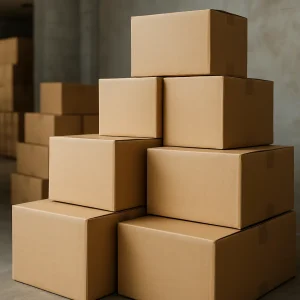
In today’s world, sustainability and recycling have become more important than ever. One common question that arises in this context is, “Are cardboard boxes recyclable?” As a packaging box manufacturer, we understand the significance of proper recycling methods and the impact they have on the environment.
Why Cardboard Boxes Are Recyclable
Cardboard boxes are primarily made from paper fibers, making them highly recyclable. The manufacturing process involves breaking down wood chips into fibers and then pressing them together to form sturdy sheets. This renewable resource can be recycled multiple times without significant degradation of quality. Moreover, cardboard is biodegradable, adding to its environmental advantages.
How to Recycle Cardboard Boxes
Recycling cardboard boxes is a straightforward process that can significantly contribute to environmental sustainability. Here’s a step-by-step guide to help you recycle cardboard boxes efficiently:
Step 1: Preparation
Before recycling, ensure that the cardboard boxes are empty. Remove any non-paper materials, such as tape, plastic, or foam inserts. Clean boxes lead to higher quality recycled products.

Step 2: Breaking Down
Flatten the boxes to save space and make handling easier. Large boxes can be cut into smaller pieces if necessary. This step is crucial for efficient transportation and processing.

Step 3: Collection
Place the flattened boxes in your recycling bin or take them to a local recycling center. Ensure you follow your local recycling guidelines, as they may vary by region.
Step 4: Processing
At the recycling facility, cardboard is sorted, cleaned, and broken down into fibers. These fibers are then mixed with water to create pulp, which is pressed and dried to form new cardboard sheets.
Benefits of Recycling Cardboard Boxes
Recycling cardboard boxes offers numerous benefits, both for the environment and the economy:
Energy and Resource Conservation
Recycling cardboard saves a significant amount of energy and natural resources compared to producing new cardboard from raw materials. It reduces the need for deforestation and lowers greenhouse gas emissions.
Waste Reduction
By recycling cardboard, we can significantly reduce the volume of waste sent to landfills. This helps in managing landfill capacities and decreases the environmental impact of waste disposal.
Economic Advantages
Recycling creates jobs and supports the economy by generating raw materials for new products. It also reduces costs associated with waste management and landfill usage.
Common Questions About Cardboard Box Recycling
What Types of Cardboard Boxes Can Be Recycled?
Almost all types of cardboard boxes can be recycled, including corrugated boxes, cereal boxes, and shoe boxes. However, boxes contaminated with food or oil, such as pizza boxes, should not be recycled.
Do Cardboard Boxes Need to Be Cleaned?
While minor residue is acceptable, heavily soiled boxes should be disposed of in the trash. Clean boxes ensure higher quality recycled materials.
Can Different Types of Cardboard Be Recycled Together?
Yes, different types of cardboard can generally be recycled together. However, always check with your local recycling program for specific guidelines.
End
Recycling cardboard boxes is a simple yet impactful way to contribute to environmental sustainability. By following the proper steps and understanding the benefits, we can make a significant difference in reducing waste and conserving resources. At Pakoro, we are committed to promoting eco-friendly practices and providing high-quality packaging solutions that align with sustainability goals.