With Canada increasingly focused on sustainability and environmental responsibility, plastic bag manufacturers have been pivotal in providing eco-friendly, cost-effective, and reliable solutions.

In this article, we will dive into the top 10 plastic bag manufacturers in Canada, examining how they are leading the market with innovative practices and a commitment to environmental stewardship.
Here are the top 10 plastic bag manufacturers in Canada.
Quick Answer: How to Choose a Plastic Bag Manufacturer in Canada
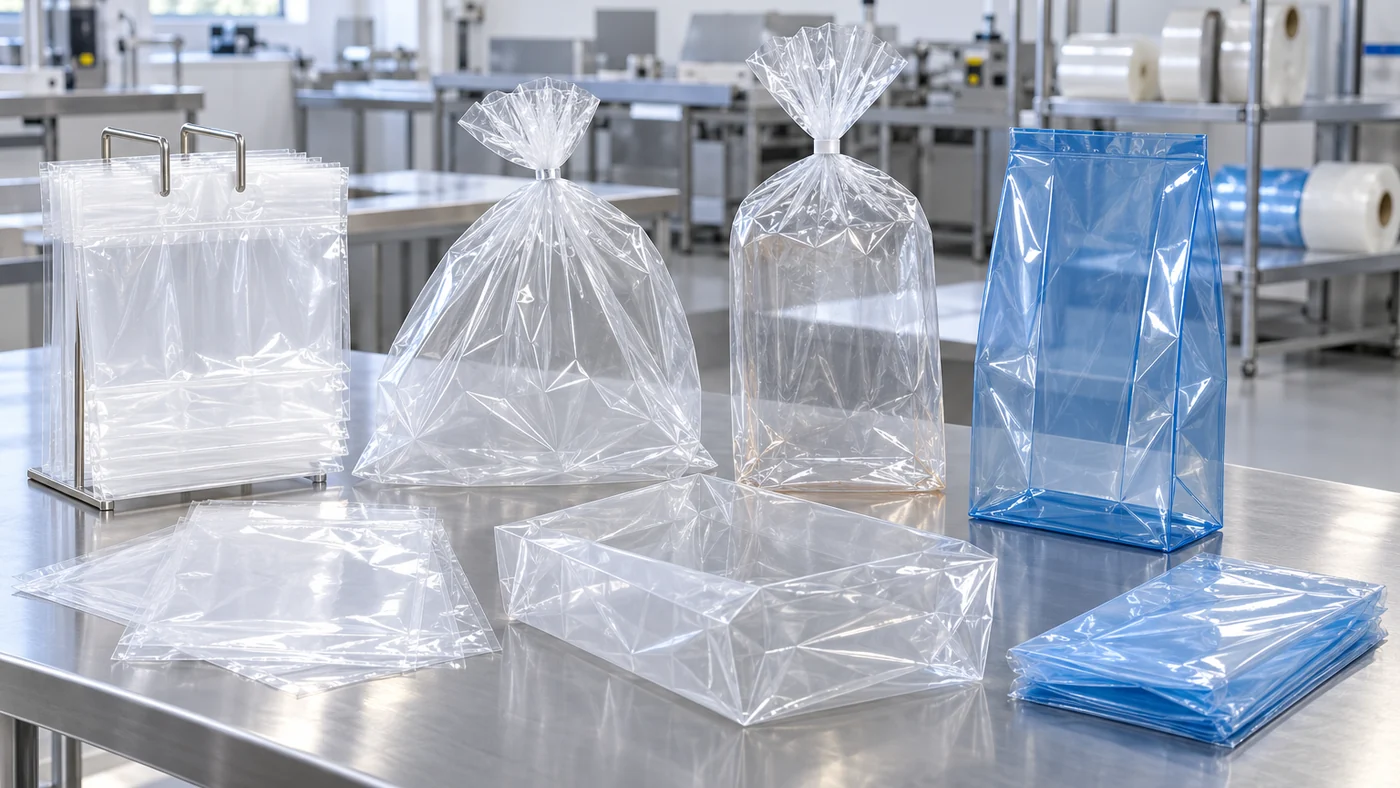
Start with the bag’s actual use—not just the material name. Define whether you need industrial liners, produce or food bags, courier mailers, reusable plastic-fabric bags, pallet covers, garbage bags or flexible pouches. Then compare film resin, recycled content, gauge, dimensions, seals, closures, printing, load performance, regulatory scope, quantity tiers and delivered cost.
Important Canadian compliance note: Canada’s federal Single-use Plastics Prohibition Regulations remain in force and prohibit specified single-use plastic checkout bags. Other plastic bags may fall outside that definition, but buyers must assess the exact product, use and jurisdiction. Review the current Government of Canada overview and technical guidance before ordering.
Editorial disclosure: This is a research shortlist, not an audited ranking. Pakoro publishes this guide and appears in the list. Verify each supplier’s current legal entity, production location, manufacturing role, certifications, products, claims, MOQ and delivery terms.

Canadian Plastic Bag Supplier Comparison
| Supplier | Primary focus stated in this guide | What buyers should verify |
|---|---|---|
| Pakoro Packaging | Industrial liners and polyethylene packaging | Current location, manufacturing model and relevant sample |
| Dunplast | Specialty and lower-impact bag options | Claim substantiation, standards and application |
| Super Poly | Retail and industrial poly bags | Domestic versus offshore production |
| StarV Group | Retail and printed polyethylene bags | Product legality for intended Canadian use |
| Tycho Poly | Blown film and flexible packaging | Resin, gauge, seals and food-contact documentation |
| Polykar | Garbage, compostable and agricultural bags | Certification scope and current product claims |
| Polytarp Products | Films, tarps and protective covers | Thickness, strength and outdoor performance |
| Packall Packaging | Pouches and flexible packaging | Barrier structure, seal and product compatibility |
| Reliance Products | Collapsible and specialty products | Fit for the exact requested bag application |
| Layfield Group | Industrial films and packaging | Current division, site and capability |
1. Pakoro Packaging Inc.
Key Products: Industrial liners, garbage bags, food packaging.

Based in Alberta, Pakoro Packaging provides a wide range of polyethylene products, including industrial liners, garbage bags, and agricultural films. They stand out due to their attention to customer needs and their ability to produce bags with specialized applications, ensuring top-notch performance across sectors(Pakoro Packaging Inc).
2. Dunplast Poly Bag Manufacturer
Key Products: Biodegradable poly bags, compostable bags, food packaging.
Located in Ontario, Dunplast has carved a niche as a key player in the production of biodegradable and compostable plastic bags. They emphasize reducing environmental impact while still offering customized packaging solutions that cater to industries ranging from retail to agriculture. Their compostable products, compliant with Canadian regulations, make them a leader in sustainable packaging(Dunplast Poly Bag Ltd.).
3. Super Poly Ltd.
Key Products: Retail bags, industrial liners, custom printed poly bags.
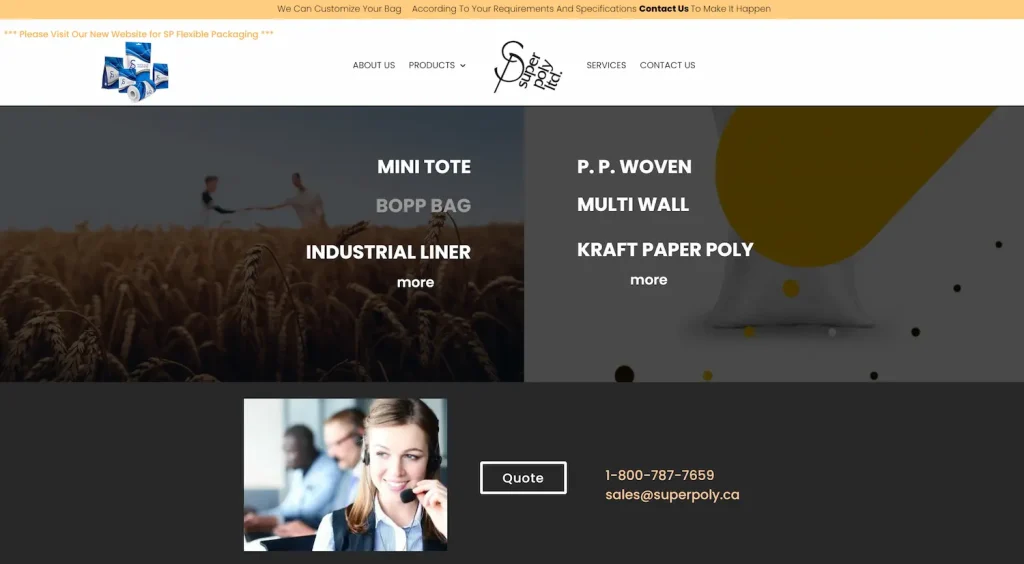
Super Poly has been serving the Canadian market since 1986, providing high-quality packaging materials and custom poly bags. Their success stems from offering tailored solutions for industries such as agriculture, industrial, and retail. What sets them apart is their focus on logistics management and offshore production, enabling them to offer competitive prices without sacrificing quality(Super Poly).
4. StarV Group Inc.
Key Products: T-shirt bags, oxobiodegradable bags, printed retail bags.

Operating out of Toronto, StarV Group is renowned for its expertise in manufacturing oxobiodegradable and custom-printed polyethylene bags. Their ability to offer customized solutions, including t-shirt bags, produce bags, and garbage bags, makes them a versatile partner for businesses of all sizes(starvgroupinc).
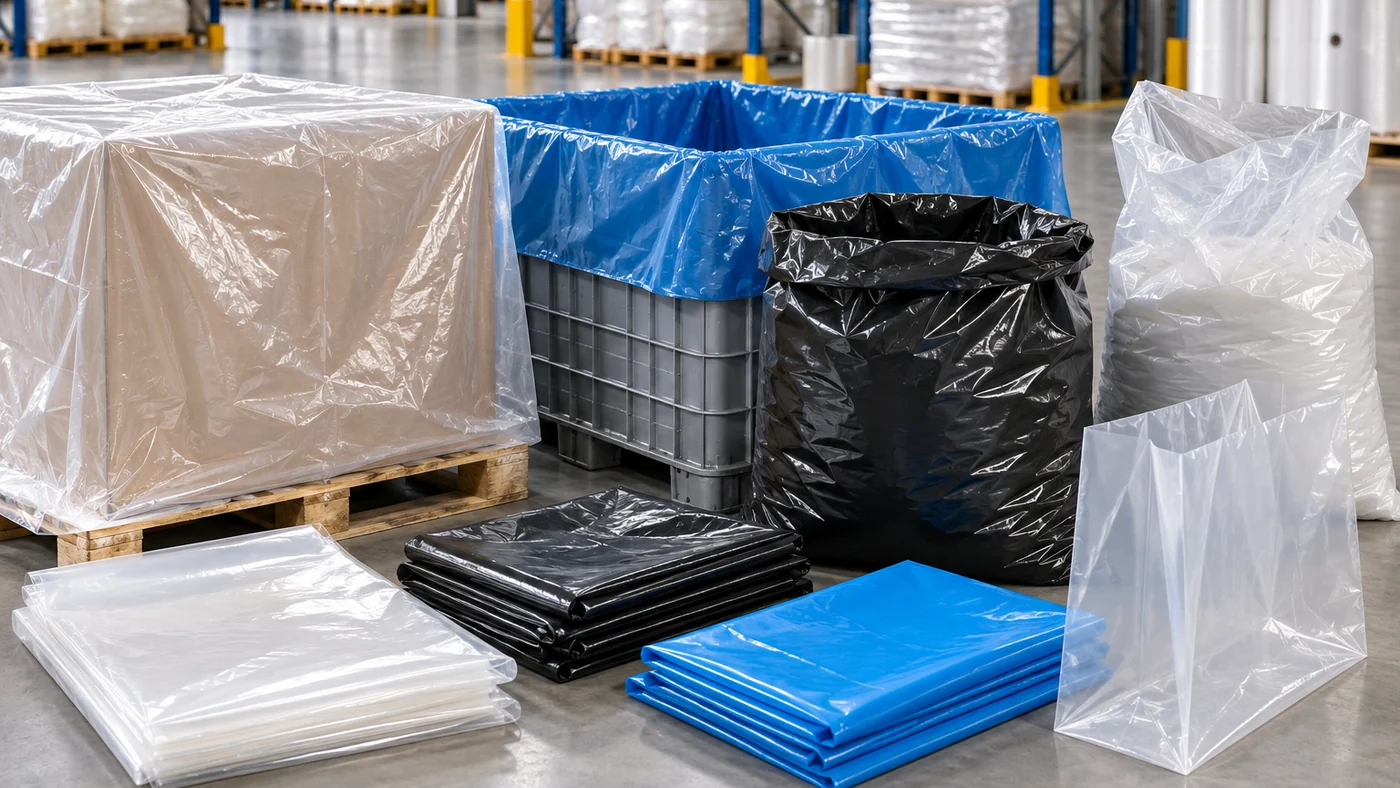
5. Tycho Poly Inc.
Key Products: Flexible poly films, food service packaging, janitorial supplies.
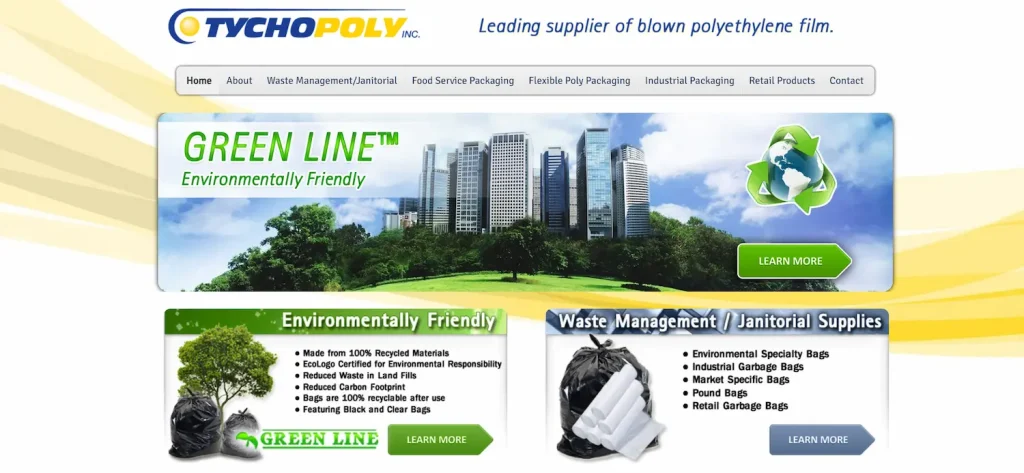
Specializing in blown polyethylene film production, Tycho Poly is a market leader in providing flexible poly packaging solutions for food services, janitorial supplies, and industrial applications. Their dedication to continuous improvement and quality control has made them a reliable supplier in Mississauga(Tychopoly).
6. Polykar
Key Products: Compostable bags, garbage bags, agricultural film.
A standout company in Quebec, Polykar is known for its leadership in producing garbage bags and certified compostable products. They also play an integral role in promoting sustainability within the industry, with ISO certifications that ensure compliance with the highest environmental standards. Their range of products, from agricultural films to retail bags, positions them as an industry innovator.(Polykar)
7. Polytarp Products
Key Products: Poly tarps, plastic films, construction covers.
Established in Toronto, Polytarp Products is an expert in the manufacturing of poly tarps and covers for industrial and agricultural use. Their high-quality plastic films and protective tarps are essential in construction and environmental projects across Canada. Their product versatility and industry knowledge allow them to provide custom solutions tailored to their clients’ needs.(Polytarp Products)

8. Packall Packaging Inc.
Key Products: Laminated pouches, resealable bags, custom stand-up pouches.

Headquartered in Richmond Hill, Packall Packaging is an expert in custom packaging solutions, particularly for the food and retail industries. Their offerings include resealable plastic bags, laminated pouches, and stand-up bags. With a strong focus on branding and product presentation, they cater to clients looking for bespoke packaging solutions.(Packall Packaging Inc)
9. Reliance Products
Key Products: Collapsible containers, water bags, industrial flexible packaging.
With a strong presence in Winnipeg, Reliance Products specializes in flexible packaging solutions for industrial, recreational, and consumer markets. Their innovation in collapsible containers and water storage solutions make them an essential supplier for the outdoor and industrial sectors.
10. Layfield Group
Key Products: Recycled plastic bags, food-grade packaging, construction films.
A well-known name in the North American market, Layfield Group offers comprehensive plastic packaging solutions, ranging from construction film to food packaging. Their focus on sustainable packaging, including products made from recycled materials, highlights their commitment to environmental responsibility.(Layfield Group)

Plastic Bag Types and Material Specifications
- LDPE bags: flexible and clear, often used for liners, retail packaging and protective applications.
- HDPE bags: thinner and stiffer for a given feel; common in produce, foodservice and utility applications where legally permitted.
- LLDPE and blended films: selected for puncture, stretch and heavy-duty liner performance.
- Coextruded films: combine layers for opacity, sealability, barrier or courier-mailer construction.
- Recycled-content films: require a stated percentage, source, consistency and evidence supporting the claim.
- Compostable bags: must be matched to an accepted certification, facility conditions, labeling rules and intended end-of-life route.
RFQ Details That Make Quotations Comparable
Specify the finished width, length, gusset, lip or flap, gauge or micron range, resin, recycled-content target, color, transparency, seal type, perforation, handle, closure, printing, artwork count, packed product, load, quantity per size, packing, destination and Incoterm. Ask every supplier to identify assumptions and tolerances. If Canadian plastic-bag restrictions make the proposed format unsuitable, consider coordinated alternatives such as custom paper bags, folding cartons, custom rigid boxes or magnetic gift boxes.
Quality-Control Checklist for Poly Bags
- Measure finished dimensions, gauge profile and roll or bag count.
- Confirm resin blend, recycled-content declaration and color against the approved specification.
- Test seal strength, leakage, puncture, tensile behavior and tear where relevant.
- Perform load or drop testing with the actual packed product and agreed conditioning.
- Check print color, registration, opacity, adhesion, rub resistance and barcode readability.
- For food contact, obtain documentation applicable to the material, product and destination.
- Verify carton quantities, moisture protection, traceability and shipping marks.
How to Check Environmental and Performance Claims
Do not accept “eco-friendly,” “recyclable,” “biodegradable” or “compostable” as standalone specifications. Ask for the exact material, test method, certificate holder, certificate scope, recycled-content calculation and the collection or composting system assumed. Canada’s Competition Bureau advises that environmental and performance claims must not be false or misleading and should be supported appropriately. Keep supplier evidence in the procurement file.
Supplier Verification Before Purchase
Confirm the legal company, production address, extrusion and converting equipment, processes handled in-house, subcontractors, quality plan, capacity and traceability. Approve a production-representative sample and a written specification. For larger or regulated projects, use independent legal review, accredited testing, a factory audit and pre-shipment inspection as appropriate.
Trends and Challenges in Canada’s Plastic Bag Manufacturing Sector
The Current Landscape of Plastic Bag Manufacturing in Canada
Plastic bag manufacturing in Canada has seen significant changes in recent years. With a growing demand for sustainable packaging solutions, the industry has had to adapt to both consumer preferences and stringent government regulations.
As the Canadian government pushes for the reduction of single-use plastics, manufacturers have turned towards innovative materials such as biodegradable plastics, recyclable polyethylene, and even compostable films.

According to recent market studies, the demand for customized and eco-friendly packaging has increased, driven by sectors such as retail, agriculture, and food services.
Companies that can offer innovative solutions, such as custom printing and biodegradable alternatives, are thriving in this competitive market
Challenges Facing the Industry
Despite the market growth, manufacturers face several challenges:
Environmental Regulations: In response to global climate initiatives, Canada has implemented several laws restricting the use of harmful plastics. Manufacturers are now investing in research and development to create more environmentally friendly products.
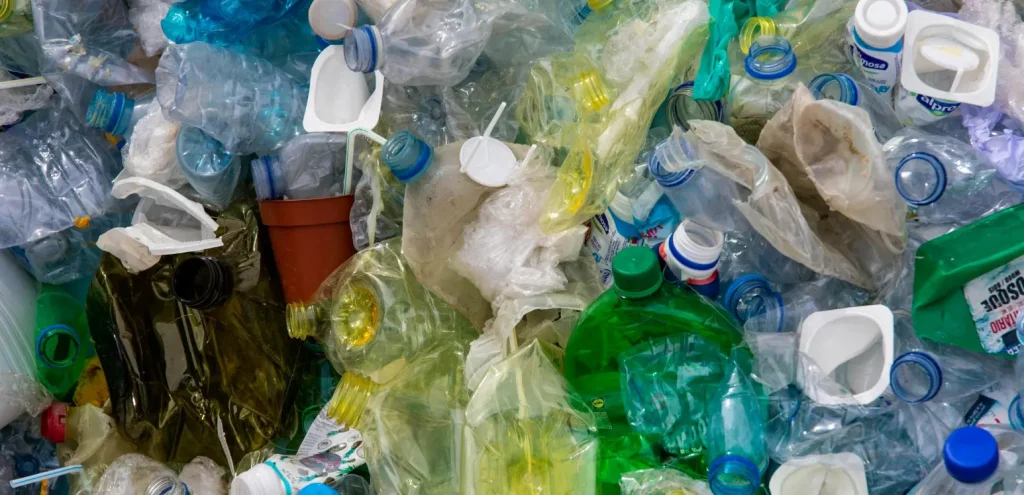
Cost Pressures: The production of biodegradable and compostable plastics often involves higher costs compared to traditional polyethylene products, creating pressure on pricing models.
Sustainability and Innovation: While the shift towards sustainability is necessary, it also demands substantial investment in new technologies such as oxobiodegradable materials and recyclable packaging.
Companies that can’t keep up with these innovations risk losing market share.
Opportunities in Eco-Friendly Innovations
The rise of compostable bags, bioplastics, and other sustainable materials presents a unique opportunity for manufacturers to differentiate themselves. Those who invest in green technologies and meet environmental certification standards are seeing growing demand from both retailers and environmentally conscious consumers
In summary, the plastic bag manufacturing sector in Canada is at a pivotal point, balancing the traditional need for durable packaging with the evolving demand for sustainability. Those who can innovate while keeping costs manageable are well-positioned to lead the market.
Frequently Asked Questions
Are single-use plastic checkout bags allowed in Canada?
Canada’s federal regulations prohibit specified single-use plastic checkout bags. Classification depends on the product and use, and provincial or municipal rules may also apply, so check current official guidance before ordering.
What plastic bags can still be sourced in Canada?
Applications such as certain produce bags, garbage bags, industrial liners, packaging bags, courier mailers and reusable formats may be outside the federal checkout-bag definition, but the exact design and use must be assessed.
What should a plastic bag RFQ include?
Include dimensions, gussets, gauge, resin, recycled content, color, seals, handles or closures, printing, packed load, quantities, tolerances, packing, destination and Incoterm.
How is plastic bag thickness specified?
Thickness may be stated in microns, mils or gauge. Define the unit, nominal target, permitted tolerance and how thickness will be sampled and measured.
How should recycled content be verified?
Request the claimed percentage, whether it is post-consumer or pre-consumer, calculation method, supplier records, certification where relevant and batch traceability.
What tests should be used for plastic bags?
Testing may include dimensions, thickness profile, seal strength, tensile, elongation, puncture, tear, leakage, load, drop, print adhesion and rub resistance, selected for the real application.
Do compostable and biodegradable mean the same thing?
No. These terms refer to different conditions and evidence. Require the relevant standard, certification scope, labeling rules and intended end-of-life environment.
Should buyers approve a production sample?
Yes. Approve a sample made with the intended film, thickness, seals, printing and closure, then retain it with the signed specification as the production reference.
Updated October 29, 2026 by Melody. Regulations and supplier capabilities change; verify current legal requirements, company identity, manufacturing location, claims, certifications, MOQ and delivery terms.