Are you running a plant business and eager to expand your market?
Shipping plants can significantly boost your sales, but how to pack and ship plants safely is crucial to avoid legal issues and ensure customer satisfaction.
This ultimate guide provides you with everything you need to know about packing and shipping plants securely, ensuring your green friends arrive healthy and vibrant.
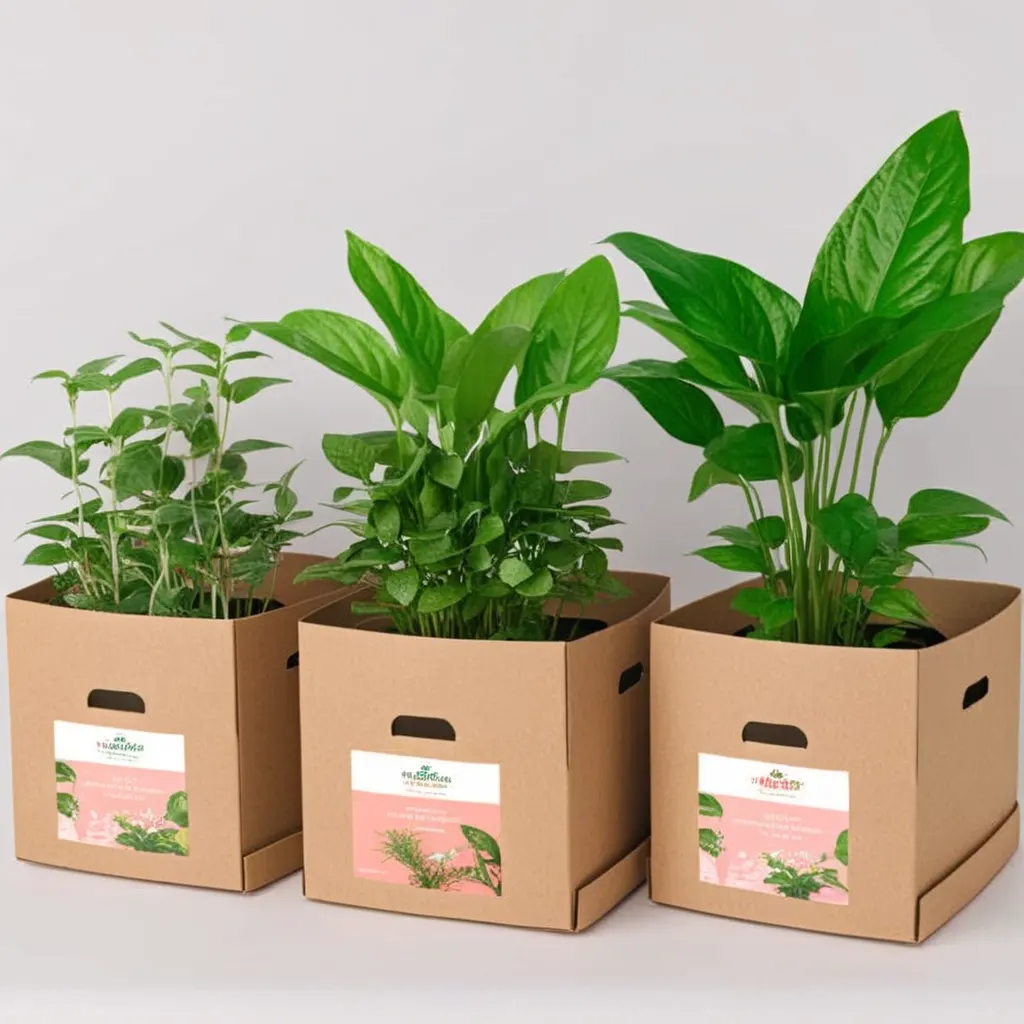

Understanding Plant Shipping Regulations
Before you embark on shipping plants, it’s essential to comprehend the regulations that govern plant transportation.
Compliance not only keeps you out of legal trouble but also protects the environment from invasive species.
Domestic Shipping Regulations

Shipping plants within the United States involves navigating a complex web of regulations set by the United States Department of Agriculture (USDA).
Start by contacting the USDA to ensure your shipment complies with all federal and state laws.
Each state has unique rules; for example, shipping citrus fruits or certain plants like jade vine blooms to California is prohibited.
States like Arizona and California have stringent laws requiring some plants to be quarantined before entry.
However, house-potted plants with sterile soil can often be shipped without issues.
Failing to comply with these regulations can damage your business reputation and lead to hefty fines.
For more details, visit the USDA Plant Protection and Quarantine website.
International Shipping Regulations
International shipping adds another layer of complexity, as each country has its own set of rules.
Most countries require a phytosanitary certificate to ensure plants are pest-free.
Additionally, shipping more than twelve live plants usually necessitates an import permit.
For instance, shipping plants to the UK requires special permissions and additional documentation.
Always include all necessary documents and declarations to avoid your shipment being delayed or rejected.
Learn more about international shipping regulations on the International Plant Protection Convention website.
Essential Materials for Shipping Plants


Using the right materials is key to shipping plants successfully.
Opt for durable containers such as plastic pots or corrugated boxes, depending on the size of your plant.
Lightweight plastic pots are easier to handle and less likely to break during transit.
Sterilized soil prevents the spread of pests and diseases, ensuring your plants remain healthy upon arrival.
Protect your plants with packing materials like newspaper, packing paper, or bubble wrap, and secure everything with ties or rubber bands.
Gel ice packs can help keep the plants cool during transit, while shipping labels and permanent markers ensure your packages are correctly identified.
For high-quality packaging materials, explore our Packaging Solutions page.
Step-by-Step Guide to Pack and Ship Plants
Shipping plants might seem daunting, but following these simple steps can make the process straightforward and stress-free.
Step 1: Learn About the Weather Conditions

Understanding the weather conditions of both the departure and destination locations is crucial.
The optimal temperature for transporting plants is between 40°F to 70°F (4°C to 21°C).
Extreme temperatures can damage your plants, so if you’re shipping to areas with extreme weather, use insulation materials like foam or foil blankets.
Cooling packs are essential in hot climates to prevent wilting, while heating packs can protect plants in cold regions.
Step 2: Analyze Plant Health
Healthy plants are more likely to survive the journey. Inspect your plants for pests, diseases, or any signs of damage.
Remove any unhealthy parts to prevent the spread of issues during transit.
Hydrate your plants a day or two before shipping to keep them well-moisturized, but avoid overwatering to prevent root rot.
Step 3: Prepare the Plant
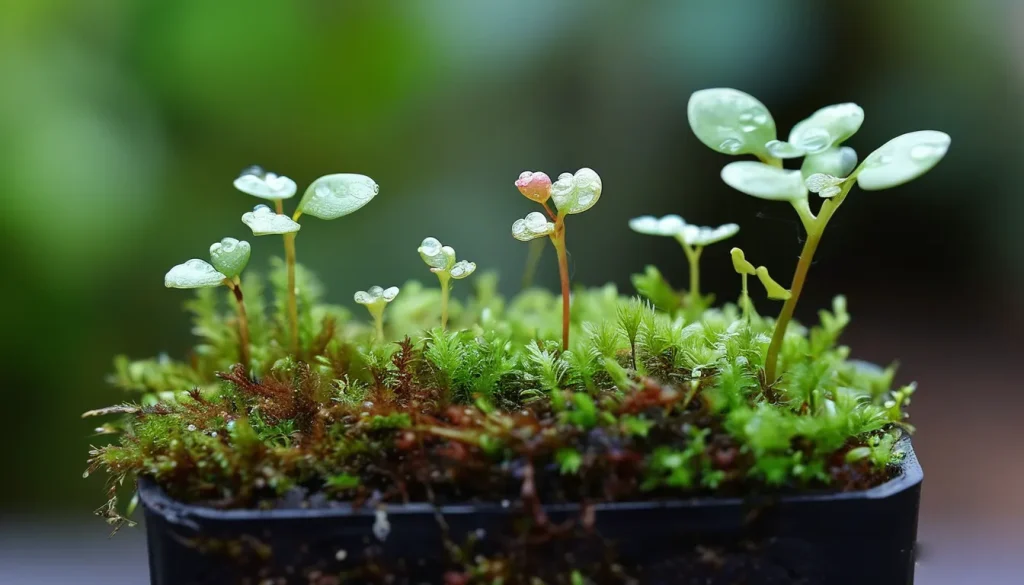
Proper preparation ensures your plant stays healthy during transit.
Gently remove the plant from its pot, keeping the root system intact.
Shake off excess soil and cover the roots with a damp cloth to maintain moisture.
Keep the plant in a shady spot until it’s ready to be packed to avoid stress from direct sunlight.
Step 4: Choose the Right Container

Decide whether to ship your plant in its container or as bare roots.
Bare root shipping reduces weight and shipping costs but may not be suitable for all plant types.
Potted plants, especially those with delicate or extensive root systems, are better shipped in containers with drainage holes to prevent water accumulation and root damage.
Step 5: Secure and Wrap the Plant
Proper wrapping is essential to keep the plant moist and protected.
Use damp paper towels or cloth to wrap the roots, ensuring they stay hydrated without becoming waterlogged.
For plants with large leaves, wrap each leaf individually to prevent damage.
Avoid over-wrapping to prevent root rot and ensure the wrapping is snug but not too tight.
Step 6: Place the Plant in a Sturdy Box

A strong box is vital for protecting your plant during transit.
Fill any empty spaces with packing peanuts or crumpled newspaper to prevent movement within the box.
Choose a box size that accommodates the plant without excessive space, and use dividers if you’re shipping multiple plants to keep them separate and avoid damage.
Step 7: Pick an Insulation Technique
Insulation safeguards plants from temperature fluctuations.
Use materials like foam, foil blankets, or cardboard inserts to insulate your package.
Depending on the destination’s climate, add cooling or heating packs to maintain a stable temperature inside the package, protecting your plants from sudden temperature changes.
Step 8: Label and Seal

Proper labeling and sealing are crucial for safe delivery.
Use strong packing tape to secure all openings of the box.
Clearly mark the package with “Fragile: Live Plant” and “This Side Up” to ensure careful handling.
Include your contact information and the recipient’s details to facilitate smooth delivery and address any potential issues quickly.
Step 9: Choose the Right Shipping Service
Selecting the appropriate shipping service ensures your plants are delivered on time and in good condition.
Opt for next-day or two-day shipping to minimize transit time, especially for sensitive plants.
Check the shipping company’s policies regarding live plants and choose reliable couriers like FedEx, USPS, or UPS for dependable delivery.
4 Eco-Friendly Material Boxes Best for Shipping Plants
Sustainability is becoming increasingly important in the packaging industry.
Here are four eco-friendly packaging options that are perfect for shipping plants:
Corrugated Cardboard
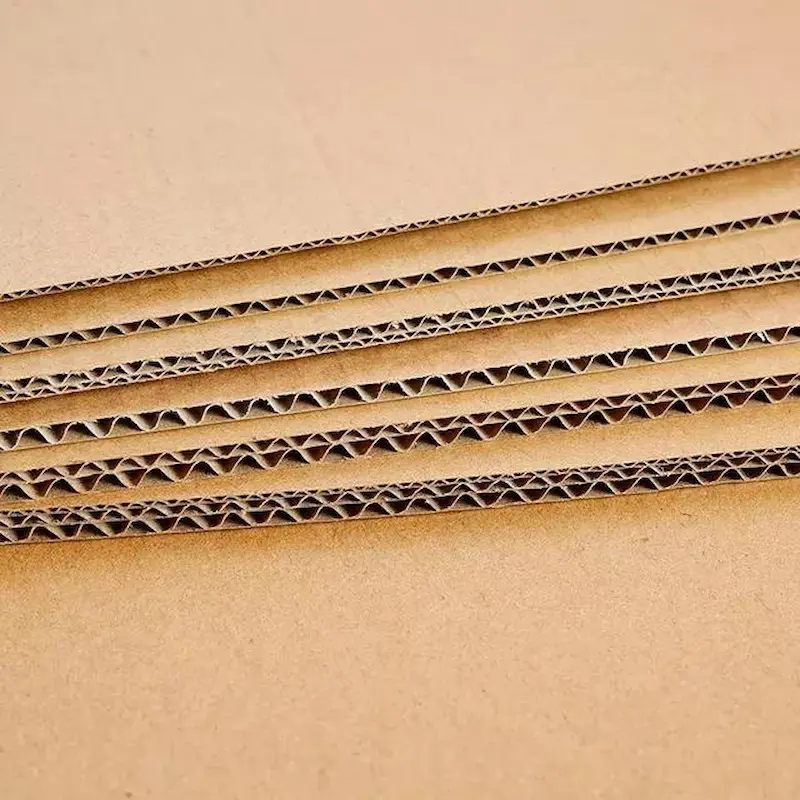
Corrugated cardboard boxes are highly biodegradable, with over 80% of them able to decompose naturally.
They are durable and provide excellent protection for your plants while being versatile enough to accommodate various shapes and sizes.
Moreover, cardboard is a naturally made option that minimizes environmental damage.
Molded Pulp

Molded pulp packaging is made from recycled paper and natural fibers like sugarcane or bamboo.
This type of packaging offers unique three-dimensional shapes with rounded corners, providing superior protection while being environmentally friendly.
Its use of recycled materials makes it a sustainable choice for eco-conscious businesses.
Recycled Paper
Recycled paper boxes are lightweight and easy to handle, reducing shipping costs and environmental impact.
They can be customized with eco-friendly inks, making them perfect for branding your plant business.
Using recycled materials helps reduce landfill waste and pollution, contributing to a healthier planet.
Eco-Friendly Plastic Boxes
Eco-friendly plastic boxes, or bioplastics, are made from renewable resources such as corn or sugarcane.
These boxes are durable and biodegradable, breaking down more easily than traditional plastics.
They are versatile and suitable for various plant types and shipping conditions, offering a sustainable alternative to conventional plastic packaging.
Explore our eco-friendly packaging options for sustainable plant shipping.
For more sustainable packaging solutions, visit our Packaging Solutions page.
3 Best Courier Options for Shipping Plants
Choosing the right courier is vital to ensure your plants arrive safely and on time.
Here are the top three courier options for shipping plants:
FedEx

FedEx offers multiple shipping options, including overnight, priority, and ground services. Known for their reliability,
FedEx is trusted for handling delicate shipments.
Prices range from $9 for ground shipping to $64 for overnight delivery, making it a versatile choice for various shipping needs.
USPS

The United States Postal Service (USPS) provides affordable rates and reliable services for domestic shipping.
Options like Priority Mail Express and Priority Mail offer quick delivery, while Flat Rate Priority Mail simplifies pricing for standard box sizes.
USPS is an excellent choice for budget-conscious businesses looking for dependable shipping solutions.
UPS

UPS is renowned for its fast delivery options, including Next Day Air and Ground services.
Comprehensive tracking ensures you know exactly where your plants are during transit.
With ground shipping starting at $14 for small packages, UPS offers cost-effective solutions without compromising on speed or reliability.
For more information on choosing the best courier, visit our Contact Us page.
Conclusion
Shipping live plants can be a rewarding endeavor for your business, provided you follow the right steps.
By understanding and adhering to shipping regulations, using the correct materials, and choosing reliable couriers, you can ensure your plants reach their destination safely and healthily.
Embrace eco-friendly packaging options to not only protect your plants but also the environment.
With these comprehensive guidelines, you’re well-equipped to pack and ship plants safely, boosting your business’s reputation and customer satisfaction.
Ready to enhance your plant shipping process? Visit our Packaging Solutions page for top-quality materials and Contact Us today to get started. Let Pakoro help you ensure your plants arrive safely and beautifully every time!