If you are exploring different printing technologies to find the best match for your project, this article is tailored for you.
We provide a detailed examination of different printing techniques, comparing traditional methods with modern innovations.
By the end of this guide, you will understand the unique characteristics of each technique and how they can serve your business needs.
Traditional Printing Techniques
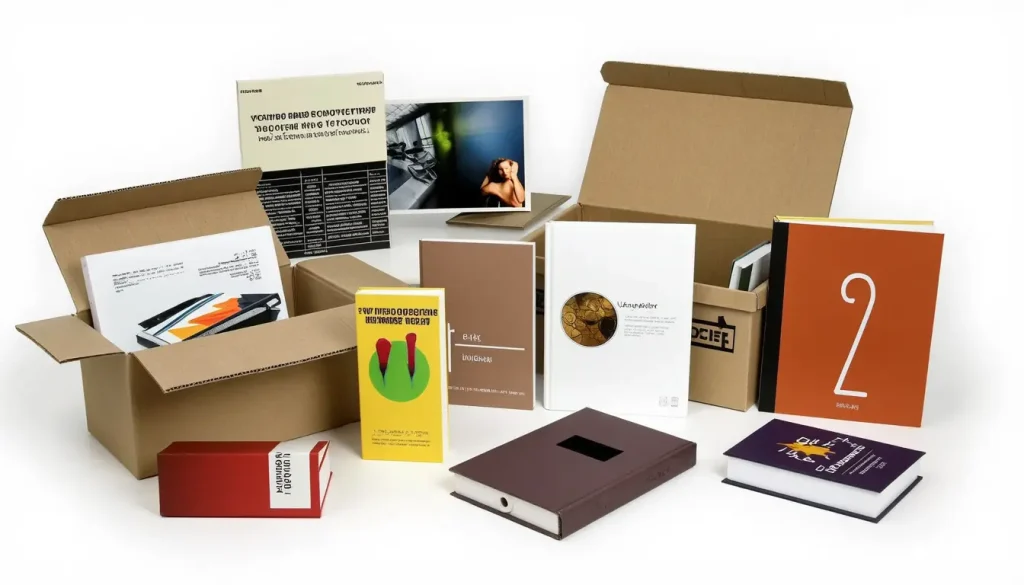
Traditional printing techniques have been refined over many years and continue to offer unmatched quality and a unique tactile experience.
These methods are especially suited for projects that benefit from a classic, high-quality appearance.
1. Letterpress Printing
Overview:
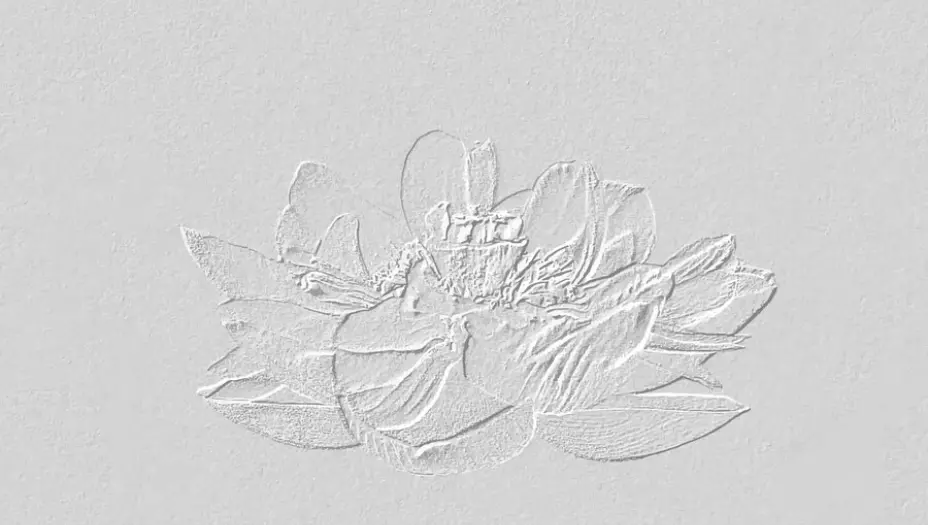
Letterpress printing is renowned for its distinctive, embossed look.
It involves using raised type or images to create a physical impression on paper, offering a handcrafted and artistic feel.
Applications:
- Art and Design Pieces: Ideal for limited-edition posters, invitations, and bespoke business cards.
- High-End Branding: Perfect for luxury stationery and materials where a tactile, high-quality finish is desired.
Advantages:
- Unique Texture: The raised ink creates a memorable, tactile experience.
- Artistic Appeal: Offers a vintage, handcrafted look that can elevate brand perception.
Considerations:
- Longer Production Times: Not suited for high-volume, rapid production.
- Limited Color Options: Generally supports fewer colors, making it less ideal for complex, multi-color designs.
Opt for letterpress printing when you want to create a sense of exclusivity and artisanal quality in your printed materials.
2. Offset Printing

Overview:
Offset printing, also known as offset lithography, is a widely used traditional method ideal for mass production.
This method involves transferring an image from a metal plate to a rubber blanket, then onto the printing substrate.
Applications:
- Marketing Collateral: Commonly used for brochures, magazines, books, and catalogs.
- Corporate Branding: Suitable for producing large volumes of high-quality materials to maintain brand consistency.
Advantages:
- Exceptional Quality: Produces sharp, clear images with consistent color reproduction.
- Cost-Effective for Large Runs: The cost per unit decreases significantly when printed in bulk.
- Versatile: Works on a wide range of substrates, including paper, cardboard, and even certain metals.
Considerations:
- Higher Initial Investment: Requires the creation of printing plates and other setup costs.
- Longer Lead Times: Due to the setup and drying processes, turnaround time may be longer.
Offset printing is ideal if you need reliable, high-quality prints for large-scale projects where consistency and durability are key.
3. Gravure Printing
Overview:
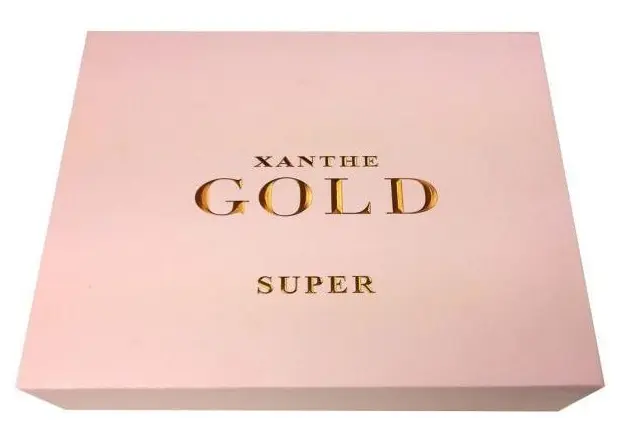
Gravure printing, or rotogravure, is distinguished by its ability to reproduce intricate details with precision.
It works by engraving the image onto a cylinder, which then holds the ink in tiny cells.
Applications:
- Packaging and Commercial Production: Frequently used for high-volume printing tasks such as food packaging, magazines, and labels.
- Large-Scale Projects: Effective for extensive printing needs like murals and floor graphics.
Advantages:
- Fine Detail Reproduction: Excels at rendering subtle gradients and intricate details.
- Efficiency at Scale: Highly cost-effective for long-run, high-volume production.
- Material Versatility: Suitable for a range of substrates, including paper, plastic, and textiles.
Considerations:
- Complex Setup: Requires specialized equipment and technical expertise.
- Not Ideal for Short Runs: Best suited for projects where volume justifies the initial setup costs.
Gravure printing is a top choice for high-detail, high-volume applications, particularly in the packaging industry.
Modern Printing Techniques
Modern printing techniques harness digital technology to offer flexibility, rapid turnaround, and high customization.
These methods are particularly well-suited for projects that demand personalization and speed.
1. Digital Printing

Overview:
Digital printing eliminates the need for traditional printing plates by directly transferring digital files onto the printing medium.
This method is perfect for projects requiring rapid production and easy customization.
Applications:
- Personalized Marketing Materials: Ideal for custom brochures, flyers, and business cards.
- Short-Run Projects: Perfect for projects that require quick turnaround and flexibility in design.
Advantages:
- Fast Turnaround: Minimal setup time means you can start printing almost immediately.
- Cost-Efficient for Small Batches: No need for expensive pre-production processes, which lowers the overall cost for short runs.
- Highly Customizable: Easily adjust designs between print runs to accommodate changes or personalized data.
Considerations:
- Quality Variability: May not always achieve the same level of precision as offset printing in very large runs.
- Substrate Limitations: Although technology is advancing, there are still some restrictions compared to traditional methods.
Digital printing is an excellent choice for businesses seeking rapid, cost-effective solutions for personalized print materials.
2. Screen Printing

Overview:
Screen printing involves forcing ink through a mesh screen onto a substrate.
This method is celebrated for its ability to produce vibrant, long-lasting prints on a variety of materials.
Applications:
- Textile Printing: Widely used for T-shirts, hoodies, and other apparel.
- Promotional Materials: Effective for banners, posters, and signs on various surfaces, including wood, plastic, and metal.
Advantages:
- Vivid Colors: Produces highly saturated and durable prints that stand out.
- Material Flexibility: Can be applied to numerous substrates, making it versatile for many applications.
- Durability: Ideal for prints that need to withstand repeated use and washing.
Considerations:
- Design Complexity: Best suited for designs with clear, bold color separations rather than highly detailed images.
- Labor-Intensive Setup: Each color in a design requires its own screen, which can extend production time.
Choose screen printing for high-quality, durable prints on apparel and promotional items where color vibrancy is crucial.
3. Inkjet Printing

Overview:
Inkjet printing uses tiny nozzles to spray microscopic droplets of ink onto paper or other substrates.
It is renowned for its high resolution and is a popular choice for both home and office use.
Applications:
- High-Quality Photo Prints: Ideal for printing detailed photographs and artworks.
- Business Documents: Suitable for brochures, posters, and high-quality business cards.
- Personalized Products: Great for custom gifts, decorations, and small-scale projects.
Advantages:
- Superior Resolution: Delivers crisp, detailed images with excellent color accuracy.
- Ease of Use: Compact and user-friendly, making it accessible for small businesses and individual use.
- Versatility: Adaptable to a variety of media types and print sizes.
Considerations:
- Slower Production Speeds: Not the best option for very high-volume production runs.
- Running Costs: Ink cartridges and maintenance may add up over time for frequent, high-volume printing.
Inkjet printers are favored in many settings for their ability to produce high-quality images without the need for complex setup procedures.
Key Considerations When Choosing a Printing Technique
When deciding which printing technology to use, you need to assess several important factors:
- Project Requirements:
- Purpose: Determine whether the prints are for marketing, packaging, or artistic presentation.
- Volume: Consider whether you need a short run or large-scale production.
- Quality Expectations: Evaluate the level of detail and color accuracy required.
- Budget and Cost Efficiency:
- Setup vs. Unit Costs: Balance the initial investment against the cost per unit.
- Overall Budget: Ensure that the chosen method aligns with your financial constraints.
- Material Compatibility:
- Substrate Requirements: Verify that your chosen printing method works with the materials you plan to use (paper, fabric, plastic, etc.).
- Turnaround Time:
- Urgency: Consider whether you require a quick turnaround or if longer production times are acceptable.
Ask about our professional printing services. Our expertise can help you determine which technology best meets your project needs and budget.
Conclusion
Understanding the various printing techniques available is essential for making the right choice for your project. In this detailed guide, we covered:
- Traditional Printing Techniques:
- Letterpress Printing for a unique, tactile, handcrafted look.
- Offset Printing for high-quality, cost-effective mass production.
- Gravure Printing for fine detail reproduction in high-volume applications.
- Modern Printing Techniques:
- Digital Printing for fast, customizable, and cost-efficient short-run projects.
- Screen Printing for vibrant, durable prints across diverse materials.
- Inkjet Printing for high-resolution output ideal for both professional and personal projects.
By carefully weighing your project requirements, budget, material compatibility, and turnaround time, you can select the printing method that best suits your needs.
This comprehensive guide aims to equip you with the knowledge to enhance your print quality and boost your brand’s visual impact.
Now is the time to choose the right printing technology and transform your printed materials into powerful marketing tools. Happy printing!