Looking for a sustainable and cost-effective packaging material?
Chipboard packaging might be your best option.
In this comprehensive guide, you will discover what chipboard is, the main types, its top benefits, and how you can use chipboard in different packaging applications.
Keep reading to find out why chipboard packaging stands out and how it can help your business make an eco-friendly impression.
Quick Facts at a Glance
| Key Point | Description |
|---|---|
| What Is Chipboard? | An engineered board made from recycled paper or wood chips. |
| Types of Chipboard | Brown Chipboard and White Chipboard. |
| Top Benefits | Eco-friendly, affordable, customizable, and robust. |
| Common Uses in Packaging | Folding cartons, rigid boxes, inserts, displays, and more. |
| Ideal for Sustainable Projects | Reduces waste and carbon footprint. |
By scanning the table, you already get the core idea.
Understanding Chipboard: Definition and Differences
You might have heard chipboard called particleboard. Essentially, chipboard is made by compressing small wood fragments or reclaimed paper with a bonding agent. That process creates strong, dense sheets you can easily transform into various packaging formats.
“In other words, chipboard delivers both durability and sustainability in a single material.”
Why Not Regular Cardboard?
While cardboard serves many purposes, chipboard packaging has a denser structure. This density adds strength to your packaging, which can be especially crucial if you need a more protective solution for heavier products.
Two Main Types of Chipboard
When you consider chipboard for packaging, you will come across two basic varieties. Understanding these types will help you pick the best chipboard packaging solutions for your brand.
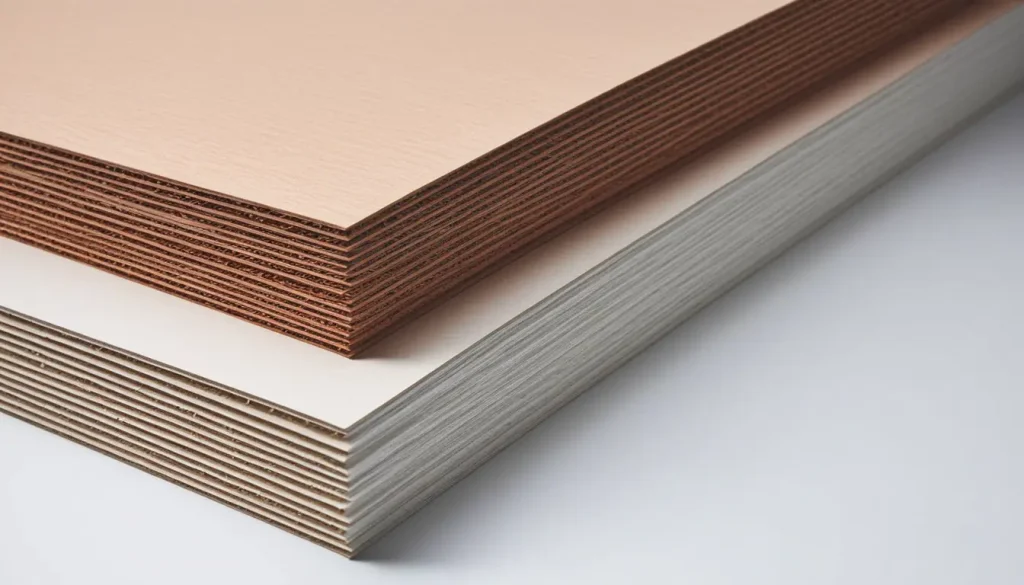
Brown Chipboard
Brown chipboard is usually made from recycled paper. You will find it sturdy and eco-friendly. If you require durable boxes, backing boards, or protective layers, brown chipboard is an excellent fit. It resists punctures and gives your packaging that solid feeling.
White Chipboard
White chipboard features a cleaner, smoother surface. You can use it for packaging that demands a sophisticated look. Cosmetics, gourmet foods, and high-end promotional materials often rely on white chipboard for an eye-catching finish.
The Key Benefits of Chipboard Packaging
You may be wondering if chipboard packaging truly meets all your needs. To help you decide, check out these standout advantages:
Eco-Friendly Construction
Chipboard is made from recycled paper or wood chips. By choosing chipboard, you help reduce deforestation, while still getting a strong packaging solution. If your business values sustainability, chipboard can showcase that commitment.
Customizable Thickness and Sizes
Do you need lightweight dividers or a heavy-duty rigid box? Either way, chipboard thickness can be fine-tuned to suit your application. That versatility leads to a perfect fit for almost any packaging challenge.
Cost Efficiency
Chipboard packaging usually costs less than many other packaging materials. You keep your budget in check without losing out on quality or reliability.

Lightweight Yet Strong
You might need something that’s easy to ship but also strong enough to protect your products. Chipboard is both lightweight and sturdy. This balance allows you to reduce shipping costs and avoid product damage.
Puncture Resistance
If your items must survive bumpy delivery routes, chipboard can handle it. Its density lends itself to puncture resistance, providing a dependable shield against sharp objects or sudden impacts.
Stable and Protective
Your customers want to receive products in pristine condition. Because chipboard doesn’t warp easily, it ensures your items remain firmly in place. This stability helps reduce product returns and keeps customer satisfaction high.
Common Chipboard Packaging Applications
Now that you know the benefits, you might be curious about how chipboard gets used in real-world scenarios. Here are some popular applications you can adopt for your business:
Folding Cartons
You probably see folding carton boxes on retail shelves every day. With chipboard packaging, these cartons stay tough yet easy to assemble. You can design them to feature vibrant prints and branding.

Rigid Boxes
Maybe you sell luxury or fragile products. Rigid boxes made from thicker chipboard exude elegance. They feel premium and shield delicate goods during shipping.

Inserts and Dividers
Are you shipping glassware, electronics, or cosmetics? Chipboard inserts ensure your product fits snugly and remains unharmed. You can cut them to any shape for a tailored fit.

Display Packaging
You want your merchandise to stand out, right? Chipboard display packaging can hold up products on store shelves while looking great. Plus, you can customize each element to suit your brand style.

Chipboard Pads
Thin or thick, chipboard pads go inside boxes as protective layers. You can also use them as backing boards for notepads. Their thickness can vary, ensuring sufficient support for many product types.
Specialized Uses
- Medical Packaging: Chipboard keeps supplies clean and organized.
- Electronics Packaging: It absorbs shocks effectively during transit.
- Retail and Subscription Boxes: You can create beautiful branded experiences.
- Gift Packaging: Make an elegant first impression for special occasions.
- Jewelry Packaging: Adds a polished surface for delicate branding and design.
- DVD/CD Cases: Safeguards discs from scratches or cracks.
- Cosmetic Packaging: Provides a smooth canvas for intricate artwork.
Why You Should Choose Chipboard for Sustainable Packaging
If environmental responsibility matters to you, chipboard is a strong ally. By using recycled materials, you help close the loop on waste. You also reduce reliance on virgin paper and wood. This move aligns with eco-conscious values, which resonates with many modern consumers.
Furthermore, chipboard packaging is recyclable at the end of its lifecycle, making it a genuinely green choice. For brands looking to boost their eco-friendly credentials, chipboard packaging offers a tangible way to show customers you care about the planet.
Final Thoughts on Chipboard Packaging
You’ve likely discovered that chipboard offers both versatility and durability. It also supports your sustainability goals. Whether you need basic folding cartons or luxurious rigid boxes, chipboard rises to the challenge.
If you plan to reduce costs while still delivering professional and robust packaging, chipboard is a solid option. Also, your customers will appreciate the eco-conscious effort behind your packaging solutions. By choosing chipboard, you send a clear message that you are dedicated to quality and the environment.
“Ready to Explore Chipboard Packaging for Your Business?”
We can help you find custom solutions that match your brand’s style and keep your products secure. You deserve packaging that works, looks fantastic, and helps protect the planet at the same time.
Request a quoteFAQs
What is chipboard made from?
Chipboard is created by compressing reclaimed paper or wood chips with a bonding agent.
Can you print and brand chipboard packaging?
Absolutely. Its surface allows you to add logos, designs, and color schemes that make your brand shine.
Is chipboard suitable for outdoor use?
Not usually. Excessive moisture or harsh weather can compromise its strength.
How does chipboard differ from standard cardboard?
Chipboard is denser and more rigid. Standard cardboard is lighter and typically used for basic shipping boxes.
How thick can chipboard be?
Chipboard thickness varies from a few millimeters to more robust sheets. You can choose a thickness that fits your specific product needs.