In today’s competitive e-commerce landscape, shipping costs can significantly impact your bottom line. So ,how to estimate shipping costs ?Efficient shipping strategies not only save money but can also improve customer satisfaction and reduce environmental impact. This guide explores proven methods to optimize your shipping operations and reduce costs without compromising quality.
Understanding Dimensional Weight
Dimensional weight (also called DIM weight) is a pricing technique used by carriers to calculate shipping costs based on package size rather than actual weight. This concept is fundamental to understanding modern shipping costs.
The formula for calculating dimensional weight is:
Dimensional Weight = (Length × Width × Height) ÷ DIM Divisor
Major carriers like UPS, FedEx, and USPS use dimensional weight pricing, and they will charge whichever is greater: the actual weight or the dimensional weight. The DIM divisor varies by carrier, with common values being 139 for domestic shipments and 139 or 166 for international shipments.
For example, a 12″ × 12″ × 12″ box that weighs 2 pounds would have a dimensional weight of:
(12 × 12 × 12) ÷ 139 = 1,728 ÷ 139 = 12.4 pounds (rounded to 13 pounds)
In this case, you would be charged for shipping a 13-pound package, not a 2-pound package. This highlights why understanding dimensional weight is crucial for cost management.
Below is a simple volume calculator. Enter the length, width and height of the packaging box to calculate the volume.
Optimizing Package Size and Shape
Once you understand dimensional weight, the next step is optimizing your package dimensions to minimize shipping costs. Reducing just one inch in each dimension of a package can lead to significant savings.
Consider these strategies:
- Use custom-sized boxes that match your product dimensions
- Consider flexible packaging like poly mailers for non-fragile items
- Implement box-cutting machines for custom-sized packages
- Reorganize product positioning to minimize external dimensions
A real-world example: An e-commerce clothing retailer switched from standard 12″×10″×4″ boxes to custom 10″×8″×3″ boxes for their t-shirts, reducing dimensional weight by 37.5% and saving over $1.20 per shipment. With 10,000 shipments per month, this resulted in annual savings of $144,000.
Analyzing and Reducing Void Fill
Void fill refers to the materials used to fill empty spaces in packages to prevent products from moving during transit. While necessary for product protection, excessive void fill increases both package dimensions and weight.
To analyze your current void fill usage:
- Audit a sample of outgoing packages and measure empty space percentage
- Calculate the cost impact of this void space using dimensional weight formulas
- Identify patterns in product categories that consistently require excessive void fill
Effective void reduction strategies include:
- Using air pillows that can be deflated before disposal
- Implementing molded inserts custom-designed for your products
- Using expandable foam that conforms to product shape
- Creating compartmentalized packaging for multi-item orders

Choosing the Right Packaging Materials
The materials you choose for packaging significantly impact both shipping costs and product protection. The ideal materials provide adequate protection while minimizing weight and dimensions.
When selecting packaging materials, consider:
- Material weight: Heavier materials like double-wall cardboard may be overkill for lighter items
- Protection needs: Match material strength to product fragility
- Compressibility: Materials that compress under pressure may increase damage risk
- Cost per unit: Higher upfront costs for premium materials may be offset by reduced damage claims
According to a study by Packaging Digest, switching from traditional corrugated boxes to lightweight honeycomb structures can reduce packaging weight by up to 15% while maintaining or improving protection.
Leveraging Carrier Discounts and Negotiation
Even after optimizing your packaging, significant savings can be achieved through strategic carrier relationships and negotiations.
Effective negotiation strategies include:
- Consolidating shipping volume with fewer carriers to increase leverage
- Benchmarking your current rates against industry standards
- Negotiating dimensional weight divisors (increasing the divisor from 139 to 166 can reduce costs by up to 16%)
- Requesting tier-based volume discounts
- Exploring regional carrier options that may offer better rates than national carriers
Many businesses overlook accessorial fee negotiations. These fees (address corrections, residential delivery, delivery area surcharges) can account for up to 30% of total shipping costs.
According to Shipware’s logistics experts, well-prepared shippers typically achieve 10-20% cost reduction through carrier negotiations, beyond published discount rates.
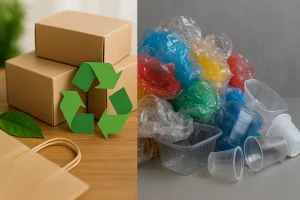
Considering Eco-Friendly Packaging Options
Sustainable packaging isn’t just environmentally responsible—it can also reduce shipping costs when properly implemented.
Cost-effective eco-friendly strategies include:
- Using recycled corrugated cardboard (30-50% lighter than virgin materials)
- Implementing biodegradable void fill alternatives
- Reducing packaging size through innovative design
- Switching to lightweight sustainable materials
According to a Sustainable Packaging Coalition study, companies that switched to right-sized, sustainable packaging reported an average 18% reduction in shipping costs alongside improved customer perception.
Beyond cost savings, eco-friendly packaging can enhance brand perception. A Nielsen survey found that 73% of consumers would change their consumption habits to reduce environmental impact.
Conclusion: Creating Your Strategic Shipping Cost Reduction Plan
Reducing shipping costs requires a holistic approach that addresses multiple aspects of your packaging and shipping operations. By implementing the strategies outlined in this guide, businesses of all sizes can achieve significant savings:
- Start by understanding dimensional weight and how it affects your specific products
- Optimize package sizes and shapes to minimize dimensional charges
- Analyze and reduce void fill to further decrease package dimensions
- Select packaging materials that balance protection with weight considerations
- Implement automation solutions appropriate to your shipping volume
- Negotiate favorable terms with carriers, focusing on both base rates and accessorial fees
- Integrate eco-friendly packaging options that simultaneously reduce costs and environmental impact
Ready to transform your shipping operations?
Pakoro offers comprehensive shipping optimization solutions tailored to businesses of all sizes. Our team of packaging experts can help you identify improvement opportunities specific to your products and operations.
Get started today with a free shipping cost analysis. Schedule your consultation or call us at (86) 18823766256
By implementing even a few of the strategies discussed in this guide, most businesses can reduce shipping costs by 15-30%. Start with the areas that offer the highest potential return for your specific situation, and gradually implement additional optimizations as resources allow.