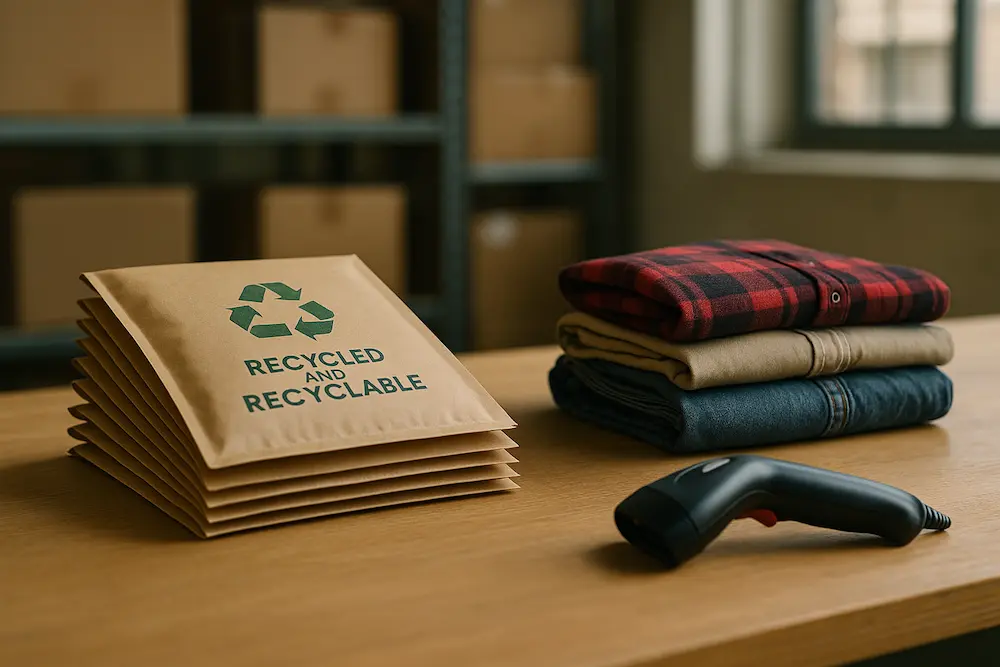
Re-commerce packaging protects second-life products while cutting waste and shipping cost. Use right-sized recycled mailers or corrugated boxes, add smart cushioning, print clear return/reuse cues, and track with a QR. Do this and you reduce damage, carbon, and cost—while lifting trust and repeat sales.
— Written by a Pakoro packaging specialist for busy teams like yours.
Talk to Pakoro: melody@pakoro.com · WhatsApp +86 150 9981 7100
What is Re-commerce and why it’s booming
You resell pre-owned or refurbished items on a platform or your own site. Customers choose re-commerce because it saves money and the planet. Your packaging must reflect that promise—clean, sturdy, and obviously sustainable. When the box says “recycled and recyclable,” shoppers feel good and buy faster.
How the flow works—and where packaging fits
Here’s the simple loop: intake → inspect → clean → grade → pack → ship → (maybe) return and repack. Packaging shows up three times: outbound to buyer, possible return, and sometimes onward resale again. Because you touch the pack more than once, you win by standardizing sizes, materials, and labels.
Sustainability, made practical
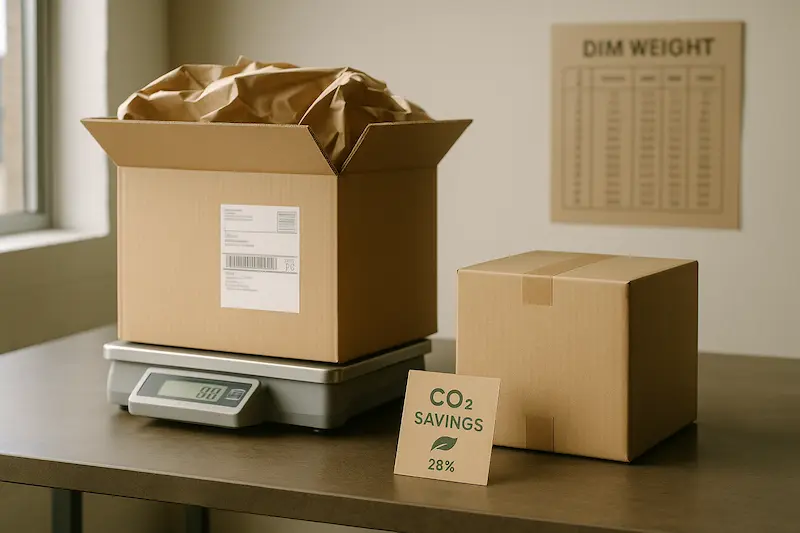
Re-commerce packaging should lower waste and lower emissions. You do this by right-sizing parcels, favoring recycled paper over plastic where possible, and marking every part with clear recycling instructions. Fewer voids mean smaller carriers’ fees and a lower footprint.
The role of packaging in trust and protection
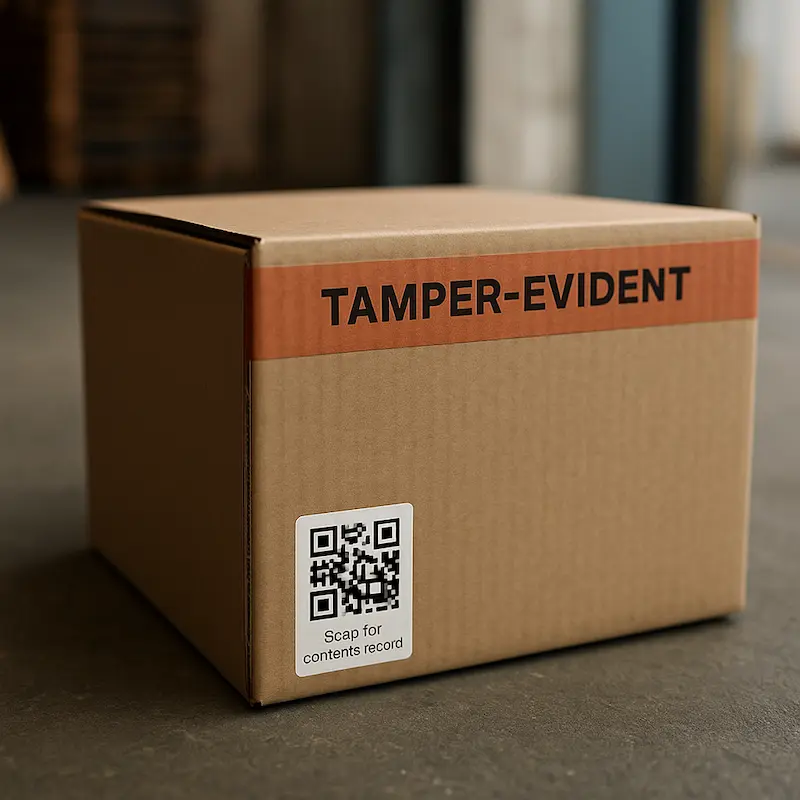
Second-life items need confidence cues. Clean exterior, tamper-evident tape, and honest grade labeling reduce returns. Inside, use simple, protective structures that don’t look wasteful. When you add a QR to your insert—care tips, repair tips, and resell instructions—you extend the product’s life.

Best practices by category (do this, and you’ll ship with fewer claims)
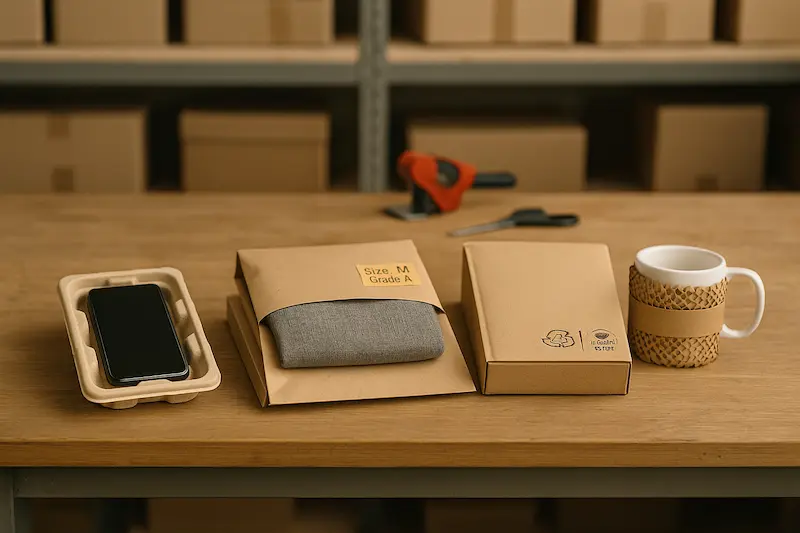
Electronics: Use an inner fitment or molded paper pulp to immobilize. Wrap device in paper tissue or ESD bag, then lock with corner buffers. Avoid loose foam peanuts.
Apparel: Use recycled paper mailers or thin corrugated literature mailers. Add a size/grade sticker outside; add a repair/alter note inside.
Books & media: Rigid mailers with crush-proof edges. Add a single paper wrap to prevent scuff.
Homeware & fragile: Double-wall outer where needed, molded pulp or paper honeycomb inside. Cross-tape to resist torsion.
Design principles to cut cost and raise CX
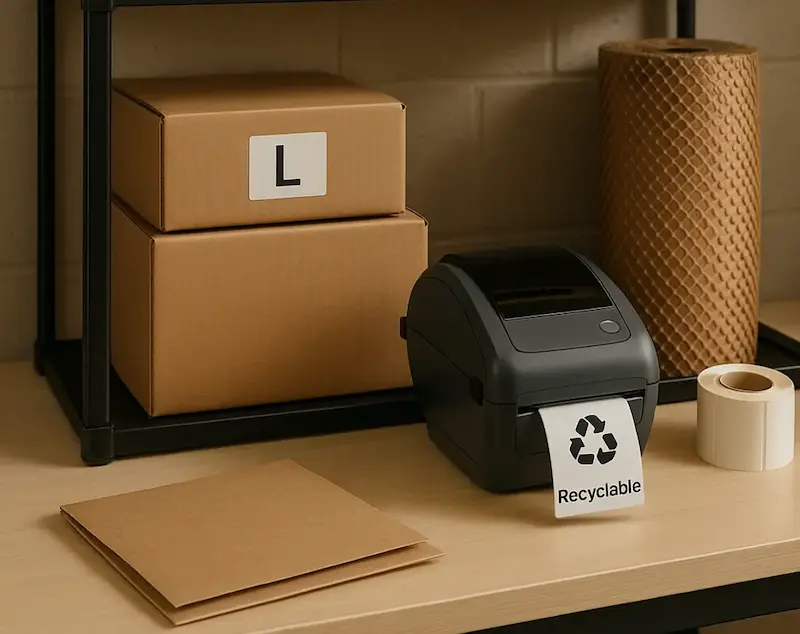
You grow margin by design, not by luck. First, right-size every SKU. Second, standardize two to four footprints that cover 80% of orders. Third, print once, signal more—use universal icons: recyclable, reusable, and keep-dry. Finally, optimize cushioning: molded pulp, paper wrap, or honeycomb beat mixed plastics for both perception and disposal.
Risks to watch—and how you prevent them
- In-transit damage: Solve with snug fitments and edge protection.
- Tampering or swaps: Add tamper tape and a discreet serial/QR.
- Greenwashing concerns: Print exact materials and disposal steps.
- High-value theft: Use plain outer cartons and remove brand cues.
Keep the copy short and specific on the pack. Shoppers notice clarity.
Trends you can plan for now
You’ll see reusable shippers in dense cities, grade-based inserts that explain condition, and platform QR ties that log ownership and repairs. Expect lighter papers with better compression strength, and carriers pricing more aggressively on volumetric weight—making right-sizing even more valuable.
FAQ (fast answers you can copy into your help center)
What is re-commerce packaging? It’s packaging built for second-life products—right-sized, recycled, and clearly labeled for reuse and recycling.
Why does it matter? It reduces damage, cost, and carbon while signaling trust.
Paper or plastic? Prefer recycled paper where protection allows; use recycled plastic only when moisture or puncture risk requires it.
Do I need custom sizes? Standardize a few sizes first; add customs only if damage or DIM fees demand it.
Your 10-minute action checklist
Choose two mailers and two cartons that cover most orders. Switch to paper-based cushioning. Print a small “How to recycle” panel on the flap. Add a QR with care/repair/resell info. Pilot tamper tape for high-value SKUs. Track breakage rate, DIM weight, and CSAT monthly. Improve one variable each cycle.