In the competitive world of retail and events, your packaging speaks volumes.
Order custom paper bags thoughtfully—avoiding spur‑of‑the‑moment decisions helps you save time and money.
At Pakoro, we specialize in crafting sustainable, high‑quality paper bags, and in this guide you’ll learn everything you need to know—from finding the right supplier to ticking every box on your order checklist.
Want help now? Reach out at melody@pakoro.com.
Why Planning Matters When Ordering Custom Paper Bags
When you decide to invest in branded packaging, you’re really investing in your company’s reputation.
Rushing into a purchase can lead to inaccurate specifications, subpar print quality and wasted resources.
Planning ahead ensures you have the right quantity, size, and design, so your bags become a mobile advertisement rather than an afterthought.
Before anything else, set clear objectives—think about the products you’re packaging, the look and feel you want, and the timeline you’re working with.
This first step makes all the difference.
Six Steps to Find a Reliable Supplier
Finding the right manufacturing partner is critical.
A good supplier doesn’t just deliver bags; they advise you on materials, printing and sustainability.
Follow these six steps to build a strong partnership:
1. Define your requirements clearly
Before you search, decide what you actually need.
State the use case (retail, gift, takeaway), target load, budget, and deadline.
Write a one-page spec: bag style, size (W × H × G / base), paper type and GSM, handle type, printing method, finish, and sustainability goals.
Add packing method and QC standards.
Prepare editable vector files (.ai/.pdf), Pantone references, and any layout notes.
Clear inputs lead to faster, more accurate quotes and samples.
2. Do focused online research
Search with intent, not volume.
Check each supplier’s website for a real address, factory photos, case studies, MOQ, lead times, and design support.
Compare what they say on social media and review sites.
Remove candidates that offer unrealistically low prices, refuse to share credentials, or answer vaguely.
Shortlist three to five suppliers and log their price ranges, lead time promises, and response speed.
3. Verify experience & reputation
Experience drives stable delivery.
Ask for photos or short videos of similar projects.
Learn their main markets, export years, equipment list (printing, lamination, die-cutting, rope-hole), monthly capacity, and QC flow.
Request client references or third-party audit/inspection records.
Schedule a live video “factory tour.”
How quickly they arrange it—and how clearly they explain—reveals their professionalism.
4. Assess sustainability practices
If your brand is eco-forward, ask for proof, not slogans.
Confirm availability of FSC paper, recycled content claims, water-based or soy inks, and plastic-free finishes (e.g., aqueous coating instead of film lamination).
Check scrap recycling and emissions controls. Ask for valid certificates and material MSDS/DoC.
Write these requirements into the spec and contract so they are followed on every batch.
5. Check certifications & compliance
Match compliance to your use case.
For food contact, request applicable tests or declarations (e.g., EU 1935/2004, LFGB).
For management systems, look for ISO 9001/14001.
For social responsibility, check Sedex/SMETA. For recycled claims, consider GRS.
Depending on destination markets, review REACH, heavy metals, migration, phthalates, or California Prop 65.
Ensure reports show the supplier’s legal name, are in force, and match your exact spec.
6. Start with a trial order

Validate the plan in the real world. Begin with samples (blank, printed, or pre-production) to confirm size, strength, handle pull, colors, and finishes.
Then place a minimal viable order to test line stability and batch consistency.
Lock key standards in a signed spec: size tolerances, paper GSM, Pantone codes, finishing, handle material and length, target load, AQL, packing, and transport tests.
Inspect on receipt, run stress and carry tests, and require corrective actions before scaling up.
The right supplier will feel like a partner rather than just a vendor. They’ll communicate clearly, respect your deadlines, and offer solutions when challenges arise.
15 Key Points You Can’t Forget When Ordering Custom Paper Bags
Your packaging is an extension of your brand, and there are many details to consider.
Here’s a concise checklist of 15 essential points, each one making sure your bags match your brand’s personality and practical needs:
1. Reliable supplier
Pick a partner, not just a vendor.
Ask how they control quality, what machines they run, and which markets they serve.
Request photos or a quick video tour of production.
Check how fast and clearly they reply.
Ask for references or third-party audit reports.
Start with a small paid sample or a trial order to verify real performance before you scale.
2. Bag size

Size the bag to the biggest item your customers carry and to how many items they usually buy at once.
Use clear dimensions—W × H × G (side gusset) or base width.
Keep a small set of nested sizes so staff can choose quickly.
Make sure people can carry the bag comfortably without dragging on the ground.
3. Type of paper
Match paper to purpose. Kraft feels eco and strong.
White board looks premium and prints cleanly.
Coated paper gives a sharp, glossy image.
Offset/printing paper is affordable for simple designs.
Recycled options support sustainability goals.
Newsprint creates a vintage look.
Confirm the GSM and get a physical swatch to feel stiffness before you approve.


4. Handle type
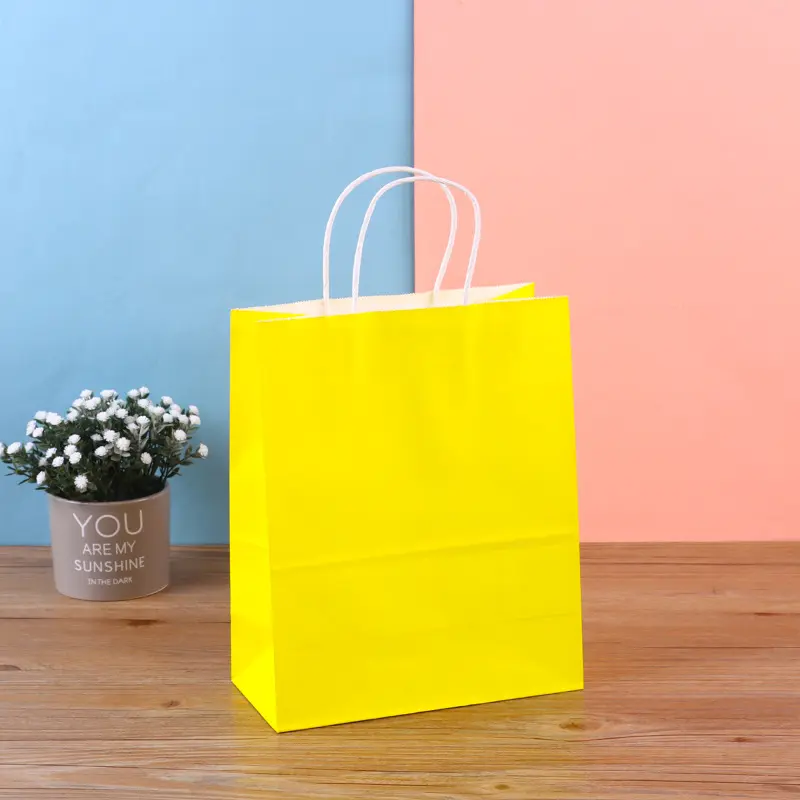
Handles affect comfort and load.
Twisted paper is economical and recyclable.
Cotton feels soft and natural.
Nylon rope is the most durable.
Ribbon suits gifts and fashion.
You can also go no-handle and fold the top like a grocery bag.
Add a top turn-over and handle patch for strength on heavy loads.

5. Durability
Strength comes from the paper GSM, the structure, and how you reinforce stress points.
For heavy goods, add a bottom board, increase GSM, or use double-wall sides.
Test samples with simple carry, shake, and drop tests, and do handle pull tests.
Agree an inspection plan (AQL) so production matches the sample.
6. Print quality
Your bag is a walking ad.
Choose the right process—offset for fine images, screen for bold solids or special inks, flexo for large runs.
Approve Pantone colors on the actual paper.
Review a pre-production sample (PP sample) for color, registration, and finish.
Lock settings so repeat orders stay consistent.
7. Color scheme
Pick colors that reflect your brand and the feelings you want to create.
Green signals eco and calm; blue feels stable; red is energetic.
Ensure strong contrast for readability.
Check colors under store lighting and daylight.
Keep the palette short to control cost and maintain consistency.
8. Design & artwork
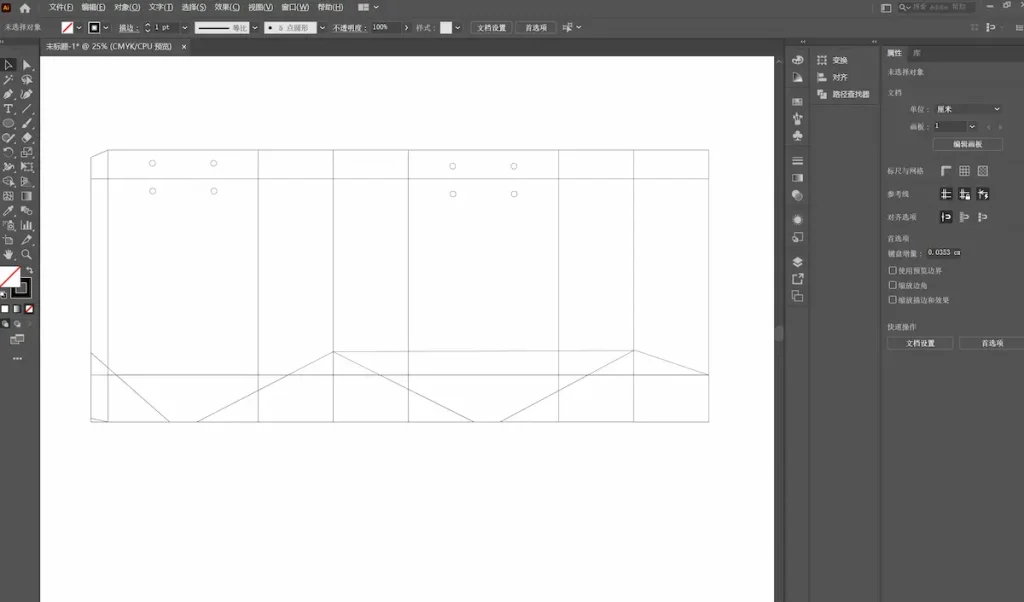
Work on the official dieline from the supplier.
Keep all logos as vector. Set 3–5 mm bleed and safe margins.
Use legible text sizes and avoid hairline strokes.
Place barcodes and legal marks on flat, uncreased areas.
Name your files clearly and include a print PDF plus the original editable file.
9. Brand messaging
Say only what shoppers need to remember: brand name, logo, tagline, website or QR, and a simple call-to-action.
If sustainability matters, add a recycling mark or a short disposal tip.
Keep it clean; a clear bag is easier to reuse and gets seen more often.
10. Quantity
Respect the MOQ, but order based on real sell-through and storage space.
Set a reorder point using average monthly use plus a safety buffer for promotions and holidays.
If designs change often, split the volume into smaller, more frequent orders to reduce obsolete stock.
11. Production time
Lead time covers design proofing, plate or tooling prep, printing, converting, and packing.
Approve files quickly to avoid delays.
Add buffer for peak seasons and public holidays.
Share your in-hand date, not just the ship date, so the plan includes transit time and customs.
12. Shipping & handling
Ask how bags are packed—bundle count, inner wrap, and carton size—to prevent creases.
Confirm palletization, moisture protection, and labeling.
Choose the right Incoterm and consider shipping insurance.
On arrival, store cartons flat and away from humidity to keep bags crisp.
13. Sustainability certifications
Request proof, not promises.
Common signals include FSC for responsible paper sourcing, ISO 14001 for environmental management, Sedex/SMETA for social responsibility, and GRS for recycled claims.
Check certificate validity dates and whether the scope matches your exact products.
14. Cost
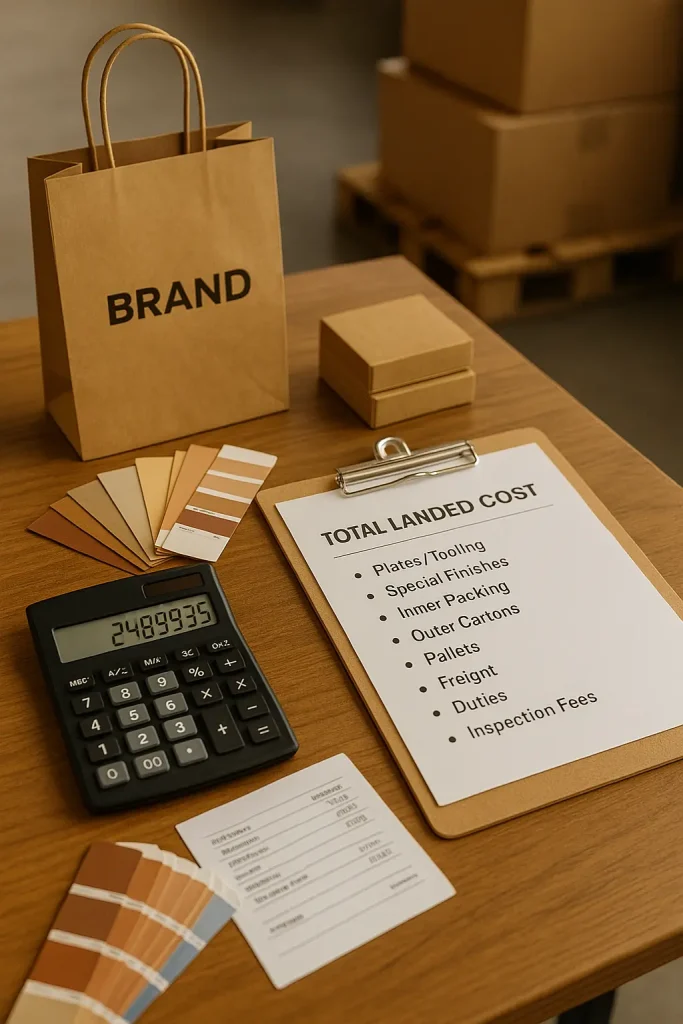
Look at total landed cost, not only unit price.
Include plates or tooling, special finishes, inner packing, outer cartons, pallets, freight, duties, and inspection fees.
Stable specs and longer runs usually lower unit cost.
Reorders with unchanged art can skip some setup fees.
15. Legal requirements
Know your market’s rules.
Some regions restrict plastic components and require recycling marks or specific warnings.
Food-contact bags may need migration or safety declarations.
Put compliance, quality tolerances, and warranty/indemnity terms into the contract so both sides know the standard before production begins.
By considering each of these points, you’ll ensure that every bag you order enhances your brand and delights your customers.
Practical Ordering Checklist
Here’s a streamlined checklist you can refer to when preparing your next order. Use it as a quick reminder so you don’t miss any crucial details:
| Step | Action |
|---|---|
| 1. Gather requirements | Define sizes, materials, handle type and print design. |
| 2. Verify certifications | Check sustainability and compliance certifications. |
| 3. Confirm MOQ & lead times | Ask about minimum order quantities and production schedules. |
| 4. Approve samples | Request a physical sample or prototype before committing to mass production. |
| 5. Arrange shipping & insurance | Discuss packaging, carrier reliability and insurance options. |
| 6. Finalize contract | Review warranties, indemnification clauses and payment terms. |
Print this list and keep it handy when you talk to suppliers. Completing each step reduces the risk of surprises and ensures that your bags arrive exactly as expected.
Conclusion: Transform Your Brand with Thoughtful Packaging
Ordering custom paper bags is more than a simple purchase—it’s an opportunity to tell your brand story.
By planning ahead, choosing the right partner and following our checklist, you’ll enjoy smooth production and stunning results.
When done right, your bags will delight customers and attract attention wherever they go.