Choosing the right book title is crucial—it’s the first thing your readers will encounter, and it can determine whether they decide to read your book or move on to the next one. A good title should intrigue, inform, and leave a lasting impression. In this guide, I will walk you through the key elements of crafting a great book title.
Why a Book Title Matters
Your book title is the first impression of your story, your message, and your brand. It’s your book’s first handshake with a potential reader. Whether you’re writing fiction or nonfiction, the title will shape their expectations.
For example, imagine you’re browsing books online. The title is often what draws your attention before you even read the blurb. You might even pick up a book solely based on a clever, eye-catching title. That’s why it’s important to get it right!
If you’re struggling to come up with a title for your book, don’t worry. Below, I will guide you step-by-step to make sure your title captures your essence while grabbing your readers’ attention.
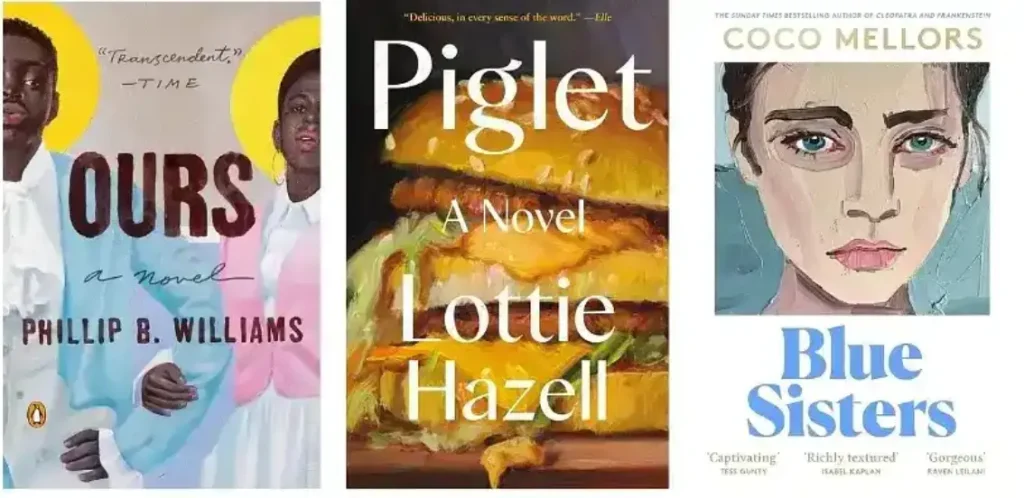
1. Keep It Short and Sweet
When you’re coming up with a title, aim to keep it simple and memorable. Research shows that the best book titles are often short—just 3 to 5 words. This makes the title easy to remember, share, and search for.
Long titles, while they can sometimes work, tend to confuse or overwhelm readers. Instead, focus on a concise title that still conveys the essence of your book. For example:
- Good Example: The Great Gatsby
- Not So Great Example: The Tragic and Timeless Story of a Man Named Gatsby Who Loved Daisy, and the Outcome of Their Tragic Love Story
A simple title ensures that readers can quickly grasp what your book is about, and it increases the chances that they’ll remember it when discussing it with others.
Need help creating a concise book title that captures your essence? Reach out to Pakoro for custom design support, from logo creation to professional packaging!
2. Make It Easy to Remember
The more memorable your title, the more likely readers are to recommend it. Whether your title is quirky, poetic, or direct, it should stick with your readers long after they’ve seen it.
One way to ensure this is by choosing words that evoke strong emotions or visuals. For example, think of titles like The Hunger Games or The Catcher in the Rye. These titles evoke images or feelings immediately, and that’s part of what makes them memorable.
If your book is part of a series, consider keeping a consistent theme in your titles. This helps readers instantly recognize the series and associate the name with your brand. Take a look at the Harry Potter series or the Twilight saga for inspiration.
3. Be Creative and Unique
Your book title is your opportunity to stand out. It’s your chance to get creative and showcase your unique voice. Avoid generic titles that blend in with other books. Instead, think outside the box.
Here are a few things to try:
- Wordplay: Create a title that uses clever wordplay or a play on words.
- Puns or Double Meanings: A title that can have multiple interpretations can spark curiosity.
- Unusual Phrases: Sometimes, choosing an unexpected or strange phrase can attract attention and leave a lasting impression.
For example:
- The Fault in Our Stars – unique, with an evocative meaning.
- Gone with the Wind – instantly grabs attention.
A creative title will spark curiosity, but it must also be relevant to your book’s content. For example, if your book is about a love story, a whimsical title may work, but if it’s a thriller, something darker and more intense might be a better choice.
4. Target Your Audience
Before you settle on a title, think about your audience. What do they want? What are they searching for? If you’re writing a children’s book, a fun, playful title will appeal to parents looking for something engaging for their kids. If your book is more academic, a professional, clear title might resonate better.
- For Fiction: Choose titles that convey the theme of the book but also speak to the reader’s emotions or desires.
- For Nonfiction: The title should clearly convey the value the book provides to its readers.
Consider the audience of your book and craft a title that speaks directly to their interests or needs.
5. Review Your Title After Writing
Often, the best title doesn’t come immediately. It’s something that might evolve as you continue writing and refining your manuscript. Once your book is complete, review the entire text. Your title should reflect the key themes, the heart of your message, and the emotions you want to convey to the reader.
Take time to read through your manuscript carefully, and ask yourself: What does this book represent? What central idea or concept does the title need to reflect? Answering these questions will help you zero in on the perfect title.
6. Gather Feedback from Others
Once you have a few potential titles, don’t be afraid to ask for feedback. Sometimes, we’re too close to our work to see things clearly. Share your options with friends, family, or colleagues who are familiar with your book’s content, and see which title resonates the most with them.
You could also join writing groups or ask beta readers for their input. You want a title that not only resonates with you but also with your readers.
7. Test It Out Loud
Once you have a few strong title options, try saying them out loud. Does it roll off the tongue easily? Is it pleasant to hear? A title that sounds awkward or is hard to pronounce might not be the best choice.
A good title should be easy to say, easy to remember, and easy to share. If you struggle to say it aloud or it doesn’t feel natural, consider adjusting it until it flows better.
Conclusion
Choosing the right title for your book is a mix of creativity, strategy, and clarity. Keep it simple, make it memorable, and ensure it reflects the heart of your book. The right title will resonate with your readers and draw them in.
At Pakoro, we understand that every detail matters, from packaging to presentation. If you need assistance designing your book cover or promotional materials, don’t hesitate to contact us!
Pakoro Contact Information:
For more details or custom design support, please contact us at:
Email: bpf2000@foxmail.com
WhatsApp: +8615099817100