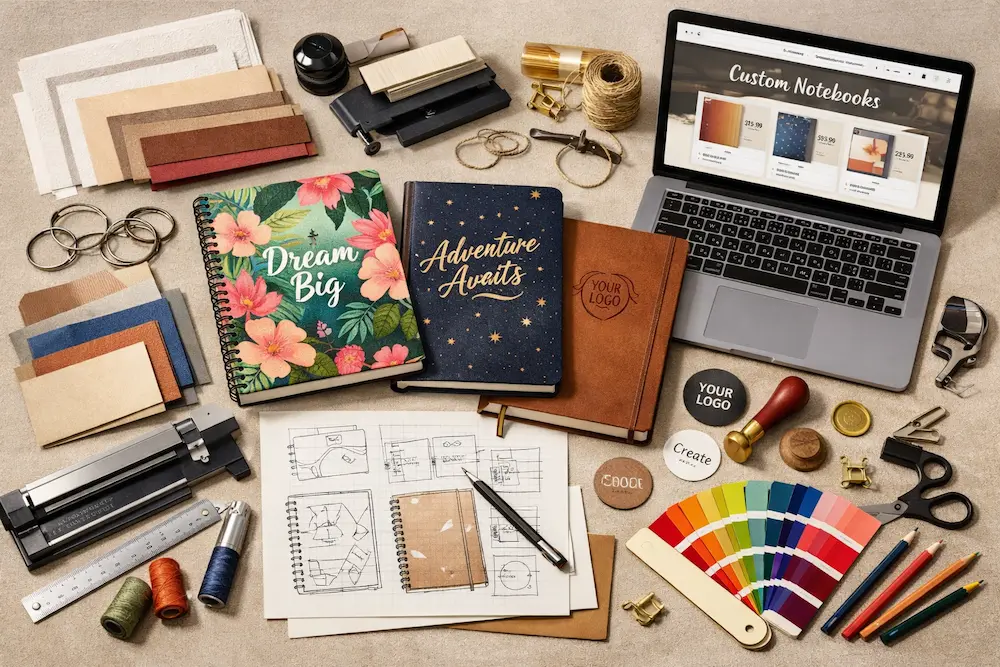
When you imagine launching your own creative business, does the thought of making and selling custom notebooks excite you? You’re not alone. Notebooks are simple yet versatile products that appeal to students, professionals and creative souls alike. In this guide you’ll learn how to turn your idea into a tangible product and a profitable business. As you read, feel free to jot down questions and reach out — at Pakoro, we’re here to help you every step of the way.
Why Notebooks Are a Perfect Product for Creative Entrepreneurs
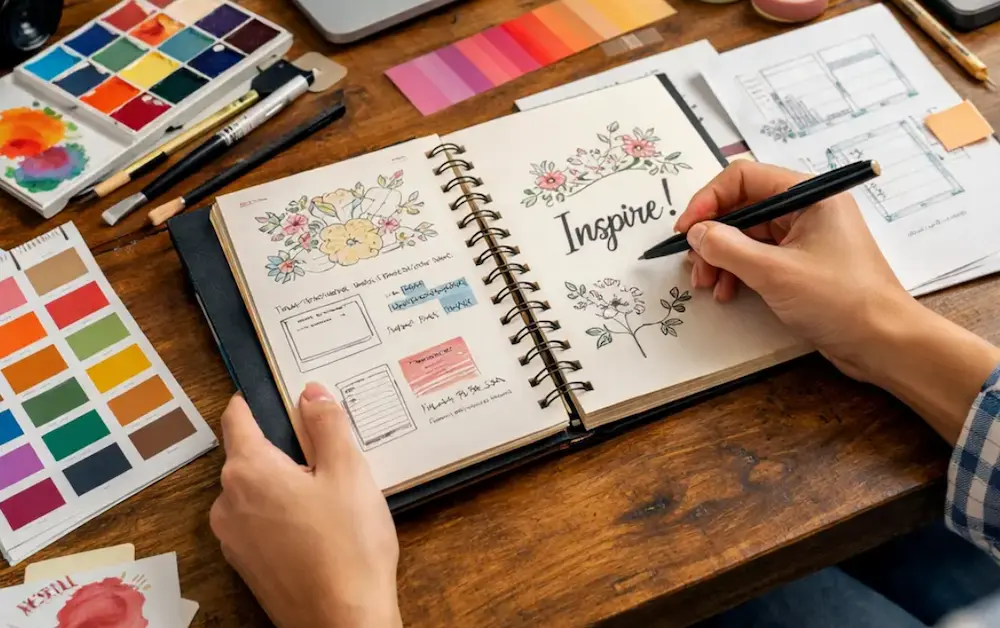
You might wonder why so many entrepreneurs start with notebooks or journals. Simply put, notebooks are considered “low‑content books”, meaning they require less written material than a novel or a textbook, but they still offer a valuable creative outlet for buyers. Because they are practical and customisable, notebooks present a terrific entry point into the world of product creation. Whether you’re an artist, a writer or a designer, creating a notebook allows you to showcase your style and connect with customers. The low production costs and high perceived value mean you can test designs, gather feedback and iterate quickly.
At Pakoro, we’ve seen how a well‑designed journal can serve as a gateway product for your brand. It builds trust and introduces customers to your aesthetic, making them eager to see what else you offer. Before long, you might find yourself with a loyal following eager to purchase future products.
Understand Who Will Buy Your Notebooks

Before jumping into design, it’s essential to ask yourself: who will buy your notebooks? Are you designing for busy students who want organised planners, or for artists who need blank pages for sketches? Defining your audience helps you tailor the size, paper type and overall style to their needs.
- Think about the lifestyles of your ideal customers. Do they commute daily and need compact sizes? Are they professional planners looking for structured sections?
- Conduct quick surveys or look at social media communities to understand what features people love or dislike in existing products.
As you define your target audience, you’re building the foundation for your brand. Engaging directly with potential customers, asking for feedback and listening to their preferences will make your product more attractive and more profitable.
Refine Your Market Positioning

In a crowded market, a clear niche sets you apart. Will you specialise in travel journals, gratitude diaries, fitness logs or maybe notebooks for budding entrepreneurs? When you choose a niche, you signal to buyers that your notebook was designed specifically for them.
Researching existing products can inspire new ideas. Look at reviews of similar notebooks and identify gaps: perhaps people are asking for recyclable materials, unique size options or decorative covers that feel personal. By serving a specific niche, you develop a loyal customer base and enjoy better visibility on e‑commerce platforms. Remember, you can always expand to new niches once you’ve established your first successful line.
Learn and Differentiate
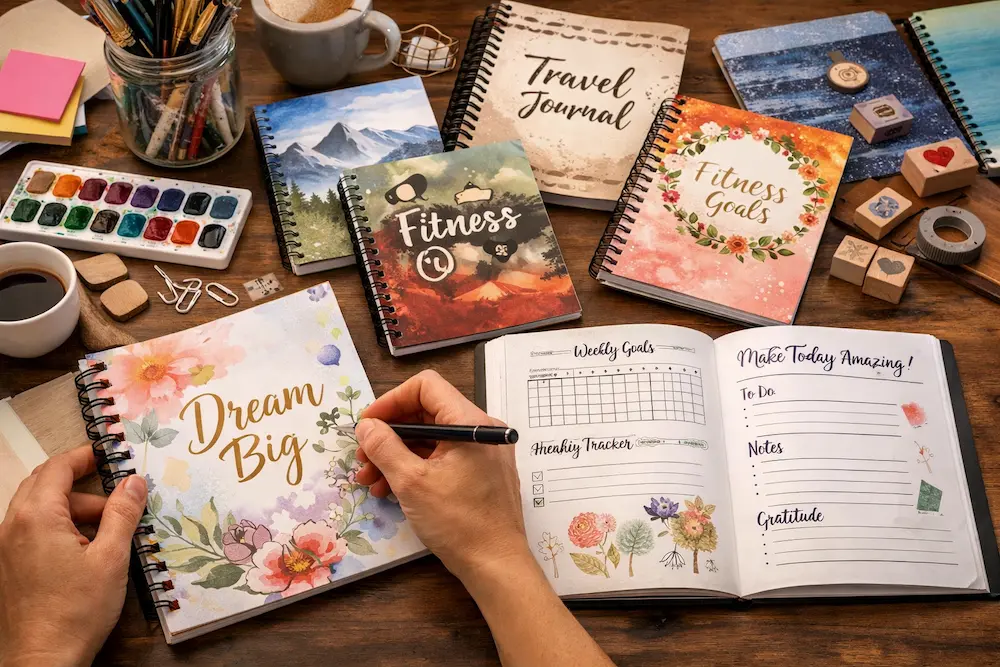
Competitor analysis is not about copying; it’s about understanding what works and what doesn’t. Examine successful notebooks in your niche and note their pricing, materials and customer feedback. Are they using recycled paper? Do they offer durable binding?
When you study competitors, look for patterns: maybe most travellers’ journals include pockets for souvenirs, or gratitude journals come with motivational quotes. What can you do differently? Could you offer customisable pages, or partner with a local artist to create limited‑edition covers? Such differentiation will help your notebook stand out in searches and connect with buyers who want something unique.
From Cover to Personalised Interiors
Now comes the fun part: designing your notebook. Start with the cover, which often makes the first impression. Consider whether your audience prefers minimalist designs, vibrant illustrations or photographs that tell a story. Use bold typography for titles and keep your layout balanced so it feels inviting.
Next, personalise the interior pages. Do your customers need lined pages, dotted grids or blank sheets? Perhaps a combination works best. You can also include inspirational quotes, prompts for reflection or small illustrations to enhance the writing experience. Don’t be afraid to let your creativity shine — after all, the uniqueness of your design is what will make people choose your notebook over a generic one.
Digital Software for Notebook Creation
Even if you love pen and paper, digital tools will streamline your production. Software such as Adobe InDesign, Adobe Photoshop and BookWright allow you to arrange pages, manage fonts and export print‑ready files. Each program has its strengths: InDesign excels at layout design, Photoshop handles high‑quality images, and BookWright offers templates tailored for book making.
If you’re new to design software, start with user‑friendly tutorials or consider collaborating with a graphic designer. Using these tools ensures your final product has professional polish and prints correctly without pixelation or misaligned pages. As you become comfortable, you can experiment with more sophisticated features like layered graphics and custom brushes.
POD vs Bulk Printing Options
Once your design is ready, it’s time to decide how to bring it to life. You generally have two options: print on demand (POD) or bulk printing.
- Print on demand services, such as those offered by Pakoro’s partners, allow you to print copies as orders come in. This method reduces upfront costs and storage needs, making it ideal for newcomers or limited‑edition designs.
- Bulk printing involves producing a larger quantity at once, which reduces the per‑unit cost. However, you need more capital and space to store inventory.
Consider your budget and sales projections to decide which method suits you best. Many entrepreneurs start with POD to test the market, then switch to bulk printing as demand grows.
Sales and Promotion Strategies
Now that your product is ready, it’s time to let the world know! Use targeted keywords like “custom notebooks for sale”, “handmade journals” or “personalised planners” in your product titles and descriptions to improve search engine visibility. Craft engaging product pages that highlight the features and unique selling points.
Promote your notebooks on social media platforms such as Instagram and TikTok, where visual content excels. Share behind‑the‑scenes clips of your design process, unboxing videos from happy customers and interactive polls to engage your audience.
Don’t underestimate the power of reviews and word‑of‑mouth. Encourage early buyers to leave honest feedback, and consider offering discount codes or giveaways to encourage sharing. By building a community around your brand, you create lasting connections and repeat customers.
Long‑Term Operation
Launching a notebook line is only the beginning. Once you have a successful product, consider expanding into related products like planners, stickers or digital downloads. Create seasonal or themed series to keep your brand fresh and exciting.
Invest in building a consistent brand identity across all your products — from colour palettes and typography to packaging and customer service. Keep in touch with your customers through newsletters and social media, sharing new designs and asking for feedback. This long‑term approach will help you grow a loyal customer base that eagerly anticipates your next release.
Due to technical limitations, we were unable to generate a specific illustrative image for this section at this time. We appreciate your understanding and hope the detailed explanation serves you well.
Start Your Notebook Journey Today
Embarking on the journey of making and selling custom notebooks can be both exciting and rewarding. By understanding your audience, refining your niche, studying competitors, designing thoughtfully, choosing the right tools, selecting a printing method and marketing strategically, you set yourself up for success. Remember, every great product starts with a single idea and the commitment to bring it to life.
At Pakoro, we’re committed to supporting creative entrepreneurs like you. If you have questions or need personalised guidance, don’t hesitate to contact us via Melody@pakoro.com. We’d love to see your notebook dream become a reality!