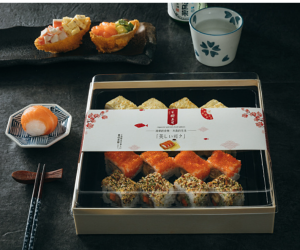
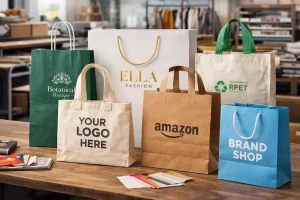
Hello there! As a packaging expert, I know you’re constantly searching for ways to catch your customers’ eyes the moment they see your product on the shelf.
Your product label is often the first point of contact between your brand and a potential buyer.
By the time someone picks up your item, your label design, essential information, and branding elements have already shaped their initial impression.
You’ll learn about core label components, various label types, and design tips that foster consumer trust. Let’s dive in!
1. Why Product Labels Matter
Product labels do much more than simply stick to a surface.
They represent your brand identity, provide critical details, and help influence consumer buying behavior.
When you place a strong label on your product, you give shoppers a direct channel to essential information about nutrition facts, usage instructions, and potential safety warnings.
These details generate confidence in customers, who often rely on trustworthy labels when deciding what to purchase.
Moreover, labels enable you to position your brand as distinct from others in the market.
By carefully integrating your logo, corporate colors, and brand messaging, you reinforce your unique selling points.
In a world of countless products screaming for attention, an eye-catching label can be the difference between blending in and standing out.

Key takeaway: A robust label design combines both vital content and compelling visuals to create a memorable experience for your consumer.
The Role of Trust and Transparency
Label accuracy and transparency matter greatly for consumer trust.
When someone picks up your product and reads a claim—like “organic,” “cruelty-free,” or “locally sourced”—they expect it to be real.
If you happen to print misleading or false information, you risk damaging your entire brand image.
On the legal side, inaccurate labels could also lead to regulatory and compliance issues, which can become costly.
Ensuring your product labels remain truthful and clear not only satisfies legal requirements but also strengthens loyalty in your customer base.
If you consider consumer trust a top priority, you’ll want to invest in label design that upholds high standards of honesty, clarity, and credibility.
Pro tip: Keep your nutrition facts precise and your statements fact-based. Doing so will attract health-conscious buyers who rely on labels as they shop.
2. What Are Product Labels?
If you’ve ever wondered why some brands pour so much creativity into their packaging, it’s because product labels act as a direct link between you and your consumers.
These labels usually feature:
- Ingredients and nutritional information
- Brand name and logo
- Usage instructions
- Safety warnings
- Certifications or symbols (for example: USDA Organic)
- Contact details for the manufacturer
Many countries require labels to follow strict guidelines, especially in industries like food and beverages.
By carefully incorporating all the regulated elements, you’re not only adhering to the law but also establishing a professional and reliable brand presence.

How Labels Influence Consumer Decisions
Whenever shoppers pick up an item, they frequently check the product label first.
They want to know if the brand aligns with their beliefs, needs, or taste.
This moment, often lasting only a few seconds, can be pivotal.
A well-executed label:
- Conveys credibility: Symbols, certifications, and consistent branding enhance perceived legitimacy.
- Highlights benefits: Nutritional facts, performance features, or unique selling points reassure buyers about the product’s value.
- Reinforces brand identity: Color schemes, consistent typography, and a clear logo remind customers of your brand story.
If you’re aiming to reduce legal risks, avoid false advertising or “greenwashing.” Instead, provide straightforward and verifiable claims that build trust.
3. Prime Labels: The Frontline of Your Branding
In many industries, you’ll see a label boldly displayed on the front of a product’s packaging.
This is the prime label, and it’s typically the most recognized portion.
Prime labels must be visually engaging because they’re the primary factor that grabs attention on a crowded shelf.
If your prime label fails to stand out, customers might skip over your product entirely.
Distinguishing Prime Labels from Secondary Labels
- Prime Labels: Feature your brand’s most central elements. They focus on your logo, product name, and any unique design flair that immediately tells the shopper who you are. Think about the Coca-Cola or Nike logos you instantly recognize.
- Secondary Labels: These are more detailed, often located on the back or sides of your packaging. They present additional info, such as in-depth nutrition facts, usage guidelines, or disclaimers.
By designing a highly appealing prime label, you position your brand front and center.
Meanwhile, secondary labels back up your prime label with thorough data that answers questions a customer might have after their initial interest is sparked.
4. Parts of a Product Label
Understanding the anatomy of a label is fundamental to effective product packaging.
When each element is placed strategically, you reduce confusion and help people quickly understand what they’re buying.
Let’s break down ten important components you might incorporate in your own labels.
- Brand Name and Logo
- Serves as the focal point of your label.
- Immediately signals your brand’s identity and values.
- Product Name
- Concise yet descriptive.
- Tells customers exactly what they’re getting.
- Product Description and Features
- Offers a brief narrative about what makes your product special.
- Highlights key benefits to persuade potential buyers.
- Ingredients and Nutritional Information
- Crucial for consumer trust, especially in food and cosmetic products.
- Helps individuals with dietary restrictions or allergies.
- Net Weight/Volume
- Reveals how much product is in the package.
- Prevents misleading packaging sizes.
- Manufacturer Information
- Adds authenticity and transparency.
- Enables customers to contact you for support or feedback.
- Symbols and Certifications
- Validate claims such as “fair trade,” “organic,” or “kosher.”
- Heighten your brand’s credibility.
- Barcodes and QR Codes
- Allow for smooth inventory management and checkout.
- Can lead consumers to more product info, videos, or recipes online.
- Safety Warnings and Precautions
- Alert users to potential hazards.
- Protect your brand from liability if items are used incorrectly.
- Usage Instructions and Guidelines
- Offer step-by-step advice for best results.
- Encourage creative uses that can increase brand loyalty.
If you’re selling fresh produce, for instance, your label might emphasize short, straightforward details.
If you sell chemicals or electronic goods, your label might need thorough safety instructions.
5. Types of Product Labels
Product labels come in many forms and vary in complexity depending on the manufacturing process and the message they convey.
Recognizing these different approaches helps you pick the best labeling solution for your product.
5.1 By Manufacturing Process
- Pressure-Sensitive
- Commonly used for a broad range of products due to easy application.
- Consists of a facestock (printed surface), adhesive layer, and liner.
- Shrink Sleeves
- Ideal for uniquely shaped containers.
- A heat process makes the label conform tightly to your product’s shape.
- Cut-and-Stack
- Cost-effective solution often used in large-scale productions.
- Bulk-printed sheets are cut and stacked for application.
- In-Mold Labels
- Fuses the label with the packaging itself during the molding process.
- Results in a durable and visually seamless finish.

5.2 By Purpose
- Brand Labels
- Primarily display your company logo, brand colors, or tagline.
- Help foster immediate brand recognition.
- Descriptive Labels
- Provide detailed, factual info, such as ingredients, nutritional values, or disclaimers.
- Often subject to local regulations that require accuracy and clarity.
- Grade Labels
- Indicate the product’s quality level or standard, often assigned by a third-party authority.
- Examples include USDA beef grades and ENERGY STAR ratings.
- Promotional Labels
- Offer time-sensitive deals or highlight unique features.
- Examples might read “Limited Edition” or “Buy One, Get One Free.”

Selecting the right type of product label depends on your industry requirements, your brand’s values, and how you want to connect with customers. If environmental sustainability is a priority, you might consider eco-friendly or compostable labels that underscore your green commitment.
6. Design Strategies for Effective Product Labels
Once you understand label types and components, you’ll need a clear label design strategy.
Remember, your approach should connect with your target market, highlight brand identity, and still meet regulatory guidelines.
Here are five design tips to help your labels stand out:
- Clear and Legible Typography
- Keep font styles simple and consistent.
- Consider color contrast and text size for readability from various distances.
- Avoid overly fancy scripts that might hinder clarity.
- Balance Between Simplicity and Uniqueness
- Give your brand a distinct look without cluttering the layout.
- Use negative space strategically for a clean, modern vibe.
- Consistent Branding Elements
- Maintain uniform logos, color palettes, and tagline placements across all products.
- This consistency builds familiarity and reinforces your brand presence.
- Sustainability and Eco-Friendliness
- Use recyclable or biodegradable materials if possible.
- Highlight environmentally responsible manufacturing methods on your label.
- Attract eco-conscious consumers who want to support green brands.
- Visual Hierarchy of Information
- Use varying font sizes and bold text to emphasize the most critical details.
- Guide a reader’s eye from the most significant points (brand name, product name) to the less critical (ingredients, usage tips).
- Ensure the design flows logically, so no essential info gets overlooked.

Pro tip: Collaborate with a skilled label supplier or packaging expert who understands design principles, printing techniques, and your brand goals. They can offer insights on materials, adhesives, and finishes that align with your product’s storage and handling conditions.
7. Labeling Done Right: Your Path to Standing Out
A compelling product label might seem small, yet it plays a monumental role in your marketing strategy.
If you invest the time to make your label informative, accurate, and visually dynamic, you’ll stand a far better chance of turning casual lookers into loyal buyers.
Here are a few final guidelines to help you maximize your label’s effectiveness:
- Know Your Audience: Tailor messaging and design to the preferences and pain points of the customers you serve.
- Stay Compliant: Track any regulatory changes relevant to your region or industry. This diligence avoids fines and keeps your brand trustworthy.
- Test and Revise: Conduct focus groups or use digital mockups to gain insights on how real people react to your label. Adjust based on valid feedback.
- Partner with Professionals: From design to production, experienced packaging experts can guide you on every detail. This partnership helps ensure a polished, efficient final product.
Remember, the more you focus on clarity, honesty, and visual appeal, the more you encourage long-term loyalty and repeat business.
The right label persuades shoppers to pick up your item, read it, and place it in their cart with confidence.
Final Thoughts
Crafting the perfect product packaging and label doesn’t happen by accident.
It’s a deliberate process that merges the art of label design with the science of consumer psychology and regulatory know-how.
You should aim to capture attention, provide immediate value, and maintain credibility every step of the way.