You want a tote bag that mirrors your sustainability promise and keeps your logo shining after hundreds of trips. As a packaging specialist at Pakoro, I’ll walk you through each material so you can pick—confidently—Canvas vs. Cotton Tote Bag.
1. Understand the Core Materials
Canvas Tote Bag: Built To Last
Canvas is a heavyweight plain or twill weave made from cotton—or a cotton/poly blend—that resists abrasion. Because the yarns are densely packed, you can load textbooks, six wine bottles, or trade‑show catalogs without a tear.
Cotton Tote Bag: Naturally Kind
Cotton totes use lighter yarns and a looser weave. The fabric feels soft, folds easily, and breaks down harmlessly at end‑of‑life. That softness, though, means you should keep loads lighter—think cosmetics, beach towels, or a laptop.
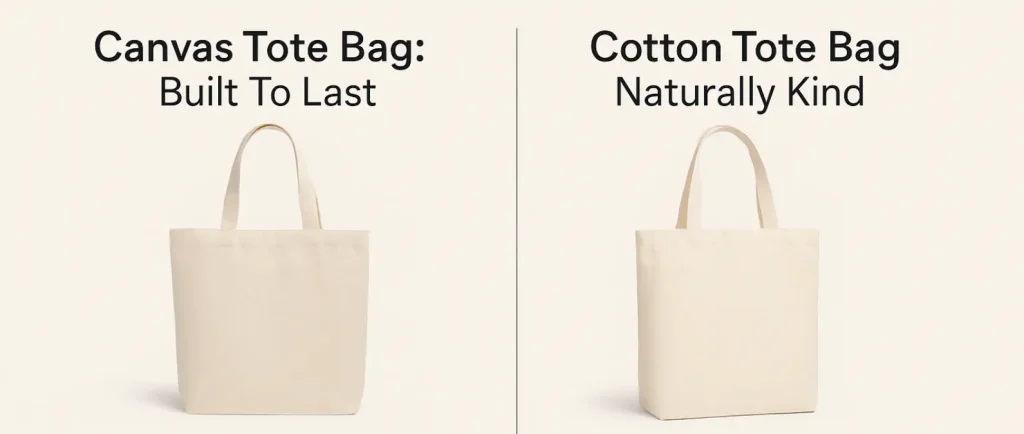
Transition takeaway: When durability tops your list, choose canvas. When biodegradability ranks first, choose cotton.
2. Compare Thickness and Weight
- Canvas averages 12–16 oz/yd².
- Cotton ranges from 5–8 oz/yd².
Therefore, canvas survives sharp corners and frequent washing, while cotton keeps your retail customers happy with a feather‑light carry.
3. Usage Scenarios That Match Your Brand
| Scenario | Recommended Bag | Reason |
|---|---|---|
| Farmers’ market or grocery chain | Canvas | Handles 15 kg without stretching |
| Fashion boutique gift‑with‑purchase | Cotton | Drapes elegantly, costs less |
| University bookstore | Canvas | Stands up to heavy textbooks |
| Eco‑event swag | Cotton (organic) | Highlights renewable fiber story |
| Employee onboarding kit | Canvas | Looks premium and lasts longer |
Which row resonates with your next campaign? Keep reading for even finer distinctions.
4. Printability and Brand Impact
Canvas Loves Bold Statements
The rugged surface grips plastisol and water‑based inks, making screen‑printing vibrant. You can even use puff ink or thick metallics; the texture hides minor mis‑registrations.

Cotton Celebrates Detail
The smoother face lets digital DTG presses lay down photo‑quality gradients. Small text stays crisp, and multicolor artwork pops.
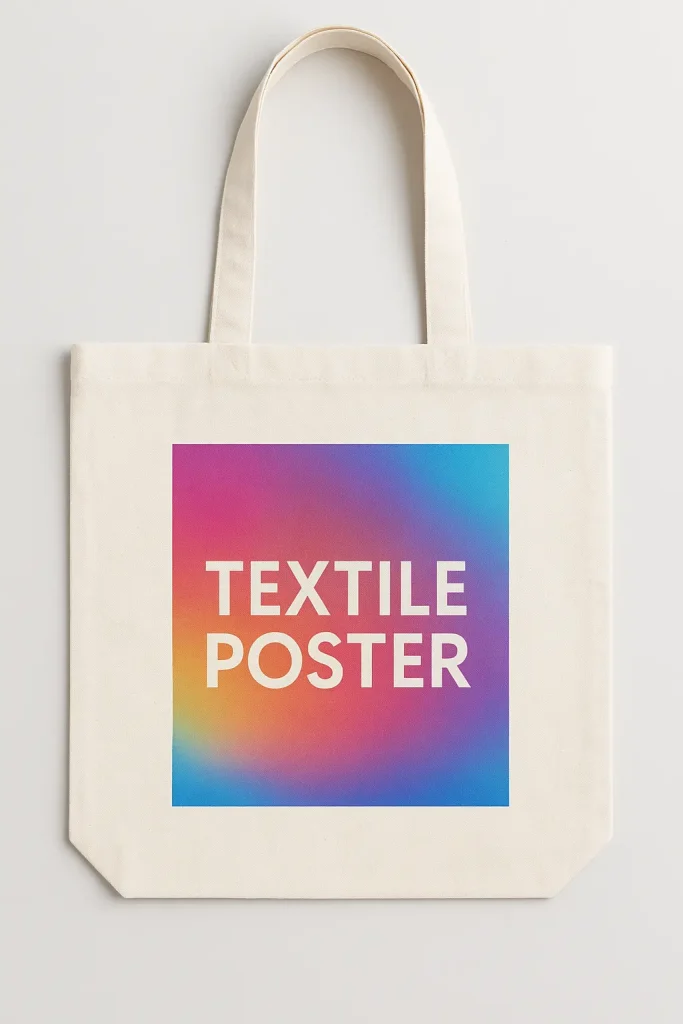
Pro tip: For hyper‑detailed art, pre‑treat cotton bags. For budget‑friendly bulk prints, stick with one‑color canvas designs.
5. True Environmental Impact
Both beat single‑use plastic. Yet the difference lies in how they deliver sustainability:
- Canvas: Fewer replacements → lower long‑term carbon footprint.
- Cotton: Plant‑based, compostable at life‑end.
Therefore, your life‑cycle story hinges on frequency of use. If each bag will see 100+ trips, canvas edges ahead. If you value renewable inputs over raw durability, cotton wins.
6. Cost‑Effectiveness Over Time
Cotton’s unit cost can be 20–30 % lower than canvas. However, canvas often outlasts cotton by two to three years. Thus, your total cost per use may balance out.
Ask yourself: Will customers reuse the bag weekly? If yes, pay the canvas premium. If no, cotton delivers ROI faster.
7. Six Alternative Tote Materials (When Canvas or Cotton Won’t Do)
- Jute – rustic texture, stellar farm‑to‑market vibe.
- Non‑woven Polypropylene – lowest cost for mass handouts, semi‑recyclable.
- Nylon – silky, water‑resistant, perfect for fold‑away shoppers.
- Polyester – bright color retention, tear‑resistant.
- Recycled PET – tells an up‑cycling story, repurposing plastic bottles.
- Blended Canvas – mixes cotton with recycled polyester for extra strength.
8. Step‑by‑Step Selection Checklist
- Define Purpose: Heavy duty vs. light promotional.
- Know Your Audience: Are they eco‑purists or durability seekers?
- Match Print Method: Bold screens → canvas. Photographic DTG → cotton.
- Calculate Footprint: Compare life‑cycle analyses.
- Set Budget: Consider cost per impression, not unit price alone.
- Plan Care: Will users machine‑wash? Canvas shrinks less. Cotton dries faster.
Tick all six boxes and you will land on the perfect tote.
9. Maintenance Tips That Extend Bag Life
- Wash cold, hang dry—heat weakens fibers.
- Spot‑clean stains immediately; pigment sets quickly in natural cloth.
- Iron cotton inside‑out to protect prints.
- For canvas, use a stiff brush to remove dirt before laundering.
Following these steps, your branded totes will advertise your logo for years—zero paid media required.
10. Frequently Asked Questions (FAQ)
Q1: Will canvas tote bags shrink?
A: Minimal shrinkage (<5 %) if washed cold and air‑dried.
Q2: Can you compost cotton tote bags?
A: Yes, after removing zippers or synthetic threads, cotton fabric decomposes in 3–6 months.
Q3: Which bag carries more weight?
A: Canvas easily supports 33 lb (15 kg). Cotton bags stay comfortable up to 15 lb (7 kg).
Q4: Does organic cotton change print quality?
A: No. Organic and conventional cotton accept ink similarly; only the farming method differs.
11. Case Study: How a Retailer Doubled Brand Impressions
A mid‑size apparel label switched from plastic gift bags to 8‑oz cotton totes. Customers reused the bag on average 30 times, turning a one‑time packaging expense into “walking billboards” seen by thousands. Web traffic from bag QR codes rose 18 % in three months.
Lesson: Even a lightweight cotton bag can punch above its weight when artwork and call‑to‑action align.
12. Your Next Move With Pakoro
You now know how canvas vs cotton tote bags stack up on strength, printability, eco‑impact, and cost. The final step is translating that insight into a bag your customers love and reuse. That’s where our team at Pakoro steps in.
- Browse sample specs at Pakoro.com.
- Or jump straight to a tailored quote via Contact Us.
Ready to turn a simple tote into a brand megaphone? Let’s craft a bag that fits your sustainability goals and your budget.