As a Funko Pop collector or seller, you know how important it is to keep your items in pristine condition. Whether you’re protecting a valuable collectible or ensuring that your customers receive top-notch products, quality control (QC) is essential. In this guide, we’ll walk you through a comprehensive QC checklist for Funko Pop protectors, so you can inspect them like a pro and ensure your collection stays safe.
At Pakoro, we specialize in custom packaging solutions, including high-quality Funko Pop protectors. If you’re looking for durable and reliable protectors, feel free to reach out to us for a quote at bpf2000@foxmail.com or WhatsApp +8615099817100. Let’s dive into the steps to make sure you’re using the best protectors for your Funko Pops.
1. Why Quality Inspection Matters
Before we dive into the QC checklist, let’s take a moment to discuss why quality inspection is so important. Funko Pop protectors are designed to shield your valuable figures from dust, scratches, and physical damage. If the protector is of poor quality, it can actually cause more harm than good. A low-quality protector can yellow over time, crack, or even affect the appearance of your collectible, which ultimately impacts its value.
By conducting a thorough quality inspection, you ensure that the protectors you use will do their job — protecting your Funko Pops and maintaining their value.
2. What Are Funko Pop Protectors?
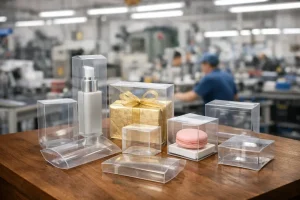
Funko Pop protectors are clear plastic cases designed to fit around Funko Pop figures. These protectors come in various thicknesses and materials, such as PET (Polyethylene Terephthalate) or Acrylic. They help keep your figures safe from dust, scratches, and accidental bumps while preserving their value over time. The two most common types of protectors are soft protectors and hard cases, with hard acrylic cases providing a sturdier shield against impacts.
3. Funko Pop Protector QC Checklist
Now, let’s look at the step-by-step QC checklist to help you inspect Funko Pop protectors for quality:
3.1 Material & Build
First, check the material quality. PET protectors are a popular choice for their durability and clarity, while Acrylic protectors are generally more rigid and offer a stronger defense against impacts.
- Transparency: Inspect the clarity of the material. A good protector should be completely clear, without any cloudiness or imperfections. If the protector has a foggy or hazy appearance, it’s a sign of poor-quality plastic.
- Strength: Gently squeeze the protector. It should feel firm and durable, not flimsy or brittle. You want something that will protect your figures without cracking easily.
3.2 Thickness
The thickness of a protector plays a huge role in its ability to safeguard your Funko Pop. Check if the protector’s thickness matches the advertised specifications (e.g., 0.35mm, 0.50mm, or 0.75mm).
- Thicker Protectors: Generally, thicker protectors offer better protection, especially against impact. For valuable or rare Funko Pops, you might want to choose thicker, hard cases.
- Thin Protectors: These are better for displaying and protecting less valuable figures or if you’re trying to save on space.
If you’re unsure, don’t hesitate to reach out to Pakoro for expert advice on choosing the right protector thickness for your specific needs.
3.3 Fit & Size
Next, ensure that the protector fits the Funko Pop figure properly. The protector should cover the figure’s box completely, with no room for it to shift or move inside.
- Proper Fit: A protector that is too loose will allow your figure to move around, increasing the chances of it being damaged during shipping or display.
- Correct Dimensions: Make sure the protector corresponds to the size of your Funko Pop. For example, a 4-inch figure will need a different protector size than a 6-inch or 10-inch figure.
If you need custom-sized Funko Pop protectors, Pakoro can provide tailored solutions for any figure size.
3.4 UV Protection
Over time, exposure to light can cause Funko Pops to fade or discolor. Quality protectors should offer UV protection to shield your figures from harmful rays.
- UV Layer: Inspect whether the protector has a UV-blocking feature, which helps prevent yellowing and fading.
- Testing: Some protectors might have a sticker or marking indicating their UV protection properties. If not, you can check with the manufacturer for this information.
3.5 Lid Design & Closure
The lid of the protector plays an important role in its ability to stay securely closed while still being easy to open when needed.
- Secure Closure: Ensure the lid closes tightly without gaps. A loose lid can expose your figure to dust and other elements, defeating the purpose of the protector.
- Magnetic or Tuck Flap: Depending on the design, the protector may have a magnetic closure or a tuck flap. Either should close securely and prevent the figure from slipping out.
3.6 Stackability
For collectors with a large number of Funko Pops, stackability is key. The protector should be able to stack neatly without the risk of damage from one figure pressing down on another.
- Flat Surface: Check if the surface of the protector is flat and even, ensuring stable stacking.
- Structural Integrity: When stacking protectors, make sure they don’t collapse or bend under pressure.
3.7 Transparency & Clarity
The clarity of the protector is essential, especially for collectors who want to display their figures. Check the surface for any distortions, air bubbles, or scratches.
- Crystal Clear View: A high-quality protector should allow you to fully appreciate the design of your Funko Pop without any visual obstructions.
- Scratch Resistance: Examine the surface to ensure it’s resistant to scratches and marks that could occur during handling or shipping.
4. Common Quality Issues to Watch For
Despite the best intentions, even well-made protectors can have issues. Here are some common quality problems to look for:
- Cracks or Breaks: Protectors that crack easily can’t provide the level of protection your figures need.
- Yellowing: If the protector starts to yellow, it could be a sign of poor-quality plastic or a lack of UV protection.
- Imperfect Seams: Watch for poorly glued or sealed seams. Gaps or weak seams can compromise the protector’s durability.
- Wrong Size: A protector that doesn’t fit properly can expose your Funko Pop to damage.
If you notice any of these issues, it might be time to look for a different supplier, and Pakoro is here to help with top-quality, customizable protectors.
5. Tools & Methods for Inspection
To effectively inspect Funko Pop protectors, you can use a few tools:
- Caliper or Ruler: To measure thickness and fit.
- UV Light: To test the effectiveness of UV protection.
- Screwdriver or Small Tool: To check if the lid opens and closes easily.
- Magnifying Glass: To inspect the clarity and detect any scratches or imperfections.
6. Best Practices for Storage & Long-Term Care
Once you’ve passed the QC check and are confident in the quality of your Funko Pop protectors, it’s important to store them properly:
- Avoid Direct Sunlight: Store your figures in a cool, dry place away from direct sunlight to avoid fading or warping.
- Proper Stacking: Stack your protectors properly to prevent crushing or bending.
- Regular Cleaning: Clean the protectors regularly to keep them clear of dust and grime.
7. Conclusion
Quality control is crucial to maintaining the condition and value of your Funko Pop figures. By following this QC checklist, you can ensure that your protectors are up to the task. Remember, investing in high-quality protectors means protecting your investment in your collectibles.
At Pakoro, we understand the importance of protecting your Funko Pops, and we offer custom solutions that meet your specific needs. If you’re looking for durable, UV-protected, and perfectly fitting Funko Pop protectors, don’t hesitate to contact us for a quote!
For more information or to place an order, email Pakoro at bpf2000@foxmail.com or reach us on WhatsApp at +8615099817100.
8. FAQs
- What thickness is best for Funko Pop protectors?
- The ideal thickness depends on your preference and the value of the figure. Thicker protectors provide more protection, especially for higher-value figures.
- How often should I inspect my protectors?
- It’s a good idea to inspect your protectors regularly, especially if they’re used for shipping or handling.
- Can low-quality protectors damage my Funko Pops?
- Yes, poor-quality protectors can scratch, discolor, or fail to protect your figures from external damage.