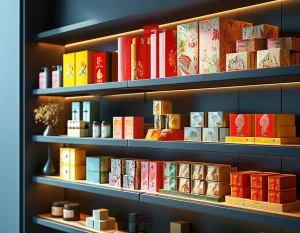
As companies strive to cut down on waste and differentiate their products, paper canister packaging has become a sustainable and versatile option that appeals to modern consumers.
You might be asking yourself whether this alternative to plastic or metal packaging can meet your quality, marketing and environmental goals.
In this article, written from the perspective of a Pakoro packaging expert, you’ll learn exactly what paper canisters are, how they’re made, the many types available, and how to select the right one for your products.
Along the way, I’ll answer common questions and share practical tips so you can make informed decisions and impress your customers.
What Is Paper Canister Packaging?
If you’ve ever seen a cylindrical container holding tea leaves, nuts or cosmetics, you’ve already encountered paper canister packaging.
A paper canister is essentially a cylindrical container made from paper or cardboard materials.
During manufacturing, paper or cardboard is cut to shape, wrapped around a mandrel, glued together and sealed at the bottom, resulting in a seamless tube that can withstand the weight of the product inside.
You’ll often find canisters made of kraft paper, cardboard or even recycled paper, and many feature coatings or linings for added moisture resistance.

To help you compare the common materials used for paper canisters, here’s a quick overview:
| Material | Key features | Advantages | Best for |
|---|---|---|---|
| Kraft paper | Durable, lightweight and naturally brown | Biodegradable and recyclable | Dry goods and eco‑conscious brands |
| Cardboard | Thick and sturdy | Strong structure and highly customizable | Retail packaging, storage and custom designs |
| Recycled paper | Made from post‑consumer waste | Environmentally friendly and cost‑efficient | Sustainable packaging and bulk shipments |
| Wax‑coated paper | Coated for moisture resistance | Protects against spills and moisture | Food products and moisture‑sensitive items |
| Composite materials | Layers of paper, plastic and metal | High durability and moisture protection | Food packaging and liquid storage |
By understanding these material distinctions, you can better align the container with your product’s needs—whether your priority is sustainability, protection or cost effectiveness.
Types of Paper Canisters
There are several types of paper canisters, each designed to serve specific products:
- Rigid paper canisters are made from thick paper or cardboard and provide excellent protection for fragile items like glass jars. They’re ideal when you want sturdy yet eco‑friendly packaging.
- Composite paper canisters combine multiple layers of paper with plastic or aluminum foil, making them perfect for products that need extra protection against moisture or odors.
- Metal‑lid and foil‑membrane canisters offer an additional layer of security and preservation, making them popular for perishable goods.
- Paperboard canisters are lightweight and durable, commonly used for dry goods like powdered milk and nuts. The smooth surface makes them easy to print on, which is great for branding.
- Kraft paper with foil lining and recycled or biodegradable options are gaining popularity as more businesses look for eco‑friendly packaging solutions.

By choosing the right type, you’ll match the packaging to your product’s needs while delivering the unboxing experience your customers expect.
Benefits of Paper Canister Packaging
Switching to paper canisters can bring multiple advantages:
- Eco‑friendliness and sustainability: Paper canisters are made from renewable and biodegradable materials. They’re lightweight and compact, reducing shipping emissions and occupying less landfill space. If your brand values sustainability, these containers help showcase that commitment.
- Versatility: Paper canisters can be produced in various shapes and sizes. Whether you need a tall cylinder for coffee beans or a wide jar for spices, there’s an option.
- Customizable design: With high‑quality printing techniques, you can transform the plain surface into a marketing tool. Vibrant colors, embossing and foil stamping elevate perceived value and help your product stand out on shelves.
- Durability and protection: Don’t let their eco‑friendly nature fool you. Modern paper canisters offer impressive structural integrity and can protect your goods from dust and light. Some even include moisture‑resistant coatings or foil linings for added protection.

Ultimately, paper canisters enable you to combine sustainability, functionality and branding in one smart package.
How to Choose the Right Paper Canister for Your Products
Choosing the right container is crucial for protecting your product and building brand recognition. Here are the key factors you should consider:
- Product type: The product’s nature determines the canister’s shape and size. For instance, a cylindrical tube suits coffee beans, while a rectangular or square form may work better for snacks.
- Size and capacity: The canister should hold enough product without being too bulky. Consider shelf space, shipping requirements and the customer’s ease of use.
- Weight: You don’t want packaging that’s too heavy or too light because it can affect shipping costs and perceived quality.
- Material: Decide between cardboard, chipboard and kraft paper. Each material offers different levels of strength and sustainability.
- Customization options: Generic packaging rarely builds brand awareness. Work with a manufacturer that offers design and printing services so you can tailor the container to your product and identity.

I’ve helped clients navigate these choices by asking about their product, shipping method and brand story. Feel free to contact Pakoro—we can guide you through prototypes and samples to ensure your canister perfectly suits your needs.
Applications of Paper Canister Packaging
The range of products that can benefit from paper canisters is surprisingly broad.
Food items such as coffee, tea, snacks, spices and cereal often come in cylindrical paper containers to keep them fresh and protected from moisture.
Non‑food items—including cosmetics, supplements and household products—also use these containers because they project an eco‑friendly image while protecting sensitive contents.
Beyond consumer goods, industrial and commercial sectors use canisters to ship and store fragile items like glassware or electronics.

An emerging application is the cannabis industry.
As legalization expands, companies are searching for environmentally friendly packaging that maintains product integrity.
Paper canisters with child‑resistant lids and odor‑barrier linings provide a compliant and sustainable solution.
Addressing Challenges in Paper Canister Packaging
Like any packaging material, paper canisters come with challenges.
Limited protection compared with plastic or metal can be a concern, particularly for e‑commerce products that endure rough handling.
Cost may be higher because eco‑friendly materials and advanced manufacturing techniques require investment.
Durability can also be an issue for items with a long shelf life.
Additionally, some design limitations and a lack of suitability for very heavy products can make paper canisters less ideal in certain situations.

However, innovations are addressing these concerns.
New coatings, reinforced walls and hybrid materials improve strength without sacrificing sustainability.
Partnering with an experienced manufacturer like Pakoro allows you to explore these options and find solutions tailored to your needs.
Maximizing Design and Suitability: Innovations in Paper Canisters
Modern manufacturing techniques have expanded the creative possibilities for paper canisters.
Advanced printing and finishing methods—such as digital printing, embossing, debossing, foil stamping and spot UV—enable intricate graphics and tactile effects that elevate your packaging.
Variable sizing and custom molds mean you’re no longer limited to standard cylinders; unique shapes can enhance the unboxing experience and fit your product precisely.
Modular designs allow for heavier or high‑volume products by using reinforced components.

By embracing these innovations, you can overcome traditional limitations while creating packaging that feels premium and aligns with your brand values.
Trends and Future Outlook for Paper Canister Packaging
Consumers today increasingly favor plant‑based and compostable packaging, driving demand for biodegradable versions of paper canisters.
Manufacturers are responding by using recycled and kraft paper, as well as natural coatings like wax and starch.
Customization is also on the rise; embossing, debossing, foil stamping and spot UV are common, and branding elements like logos and slogans make each container unique.
To stay ahead, companies are investing in digital printing and 3D printing, which allow for complex designs, faster turnaround and reduced waste.

These trends make paper canister packaging not just an eco‑friendly choice, but an opportunity to innovate.
As you plan your product lines, consider how these advancements can help you meet regulatory requirements, differentiate your brand and delight your customers.
Partner With Pakoro for Sustainable Success
Paper canister packaging offers an eco‑friendly, versatile and visually appealing way to present your products.
By understanding the types of canisters, their benefits, potential challenges and the latest innovations, you can make informed decisions that align with your brand values and customer expectations.
If you’re ready to switch to paper canisters or explore custom options, Pakoro is here to help.
We specialize in high‑quality, sustainable packaging solutions tailored to your unique needs.
Reach out for a free consultation and discover how our expertise can elevate your packaging and reduce your environmental footprint.
Contact Pakoro:
- Phone: +8613149910371
- Email: melody@pakoro.com
- Address: Room 228, 2F, Dongli Innovation Valley Honggu, No. 38 Xinye Road, Ruibao Street, Haizhu District, Guangzhou, China
Let’s work together to create packaging that delights your customers and protects our planet.