What Rolled Packaging Actually Is
Think of rolled packaging as a high-performance fabric for products.
It arrives as a neat roll—plastic, paper, foil, or a laminate—ready to be shaped into pouches, sachets, and flow-wraps.
You don’t buy a box and then stuff product inside; instead, you feed this continuous web into your packaging line and create packs on demand.
Because the material is flexible, you get tighter control over form, less air in each pack, and far better shipping density.
You also get a print surface that loves color and fine detail, which is why brands use rollstock to level up shelf presence without changing formulas.
How It Works on Your Line
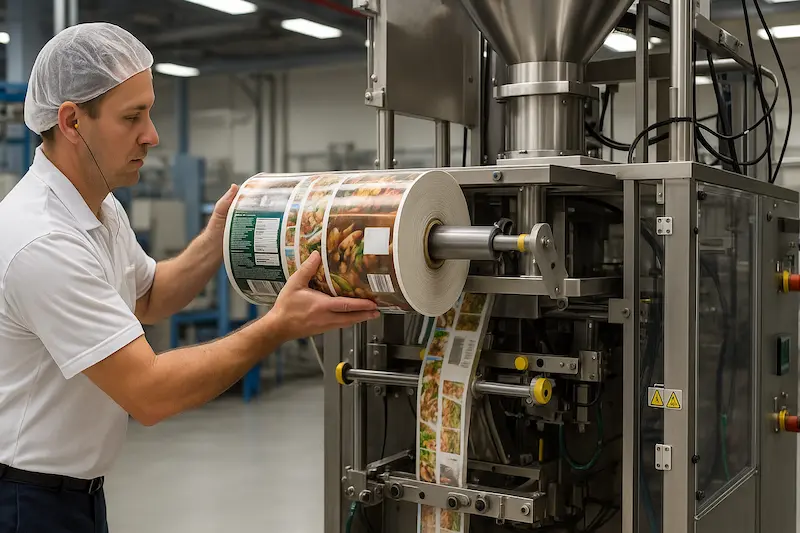
On a vertical form-fill-seal (VFFS) line, the web moves downward over a forming collar that shapes it into a tube.
Product drops from above at the exact moment the jaws close to seal.
The machine then cuts and—like clockwork—the next bag begins to form.
Horizontal form-fill-seal (HFFS) lines run the web flat; products such as bars, sachets, and flat kits sit on the film before the upper web folds and seals around them.
In both cases, your results depend on three settings that matter far more than most people admit: seal temperature, pressure, and dwell time.
Dial those in for your chosen film and you’ll stop the pinholes, stop the leakers, and stop late-night rework.

Materials That Perform
You have options, and the right one starts with your product’s chemistry and shelf-life target.
Polyethylene and polypropylene are the workhorses because they seal well and flex without tearing.
PET adds stiffness and heat resistance for high-speed runs and sharp print.
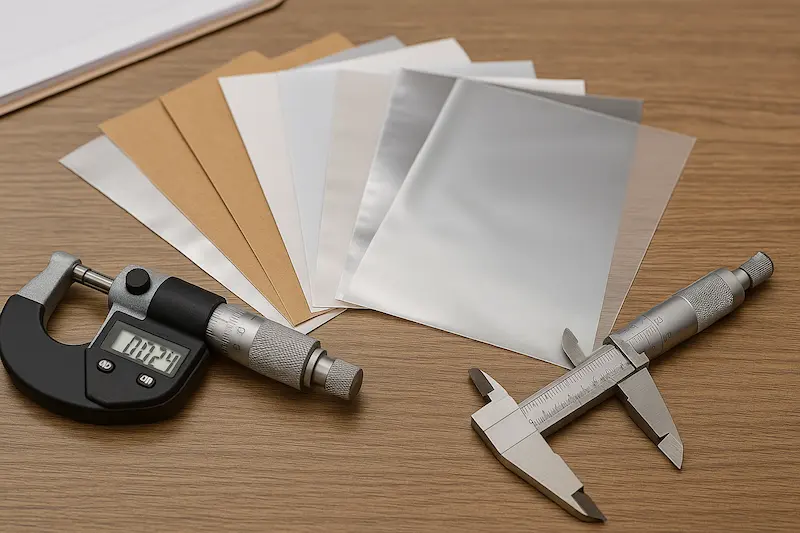
Metallized films and foil laminates block oxygen, light, and aroma when you need premium protection—think coffee, spices, and oxygen-sensitive nutraceuticals.
Paper lends a natural look and pairs with coatings when you need grease or moisture control, while newer mono-material structures improve recyclability in systems that accept them.
If you’re exploring compostable or bio-based films, plan for line trials; machinability and seal windows vary, and you don’t want surprises during a promotion.
Pro tip from the lab: ask suppliers for OTR and MVTR numbers, not just “high barrier.” Numbers make your shelf-life math real.
Where It Shines
If you sell food, rolled packaging covers the full range—from powder seasonings and stick-packs to large gusseted bags for frozen produce.
Coffee brands rely on high-barrier laminates with valves; confectionery teams push bright flow-wrap that flies through checkouts.
In healthcare, diagnostic kits and sterile devices use web-to-web laminations designed for clean peels and validated seals.
Beauty and personal care love single-use sachets and travel pouches because they sample well and look premium at small sizes.
Even accessories and small electronics ship in flow-wrap that protects finishes and keeps SKUs organized without bulky boxes.
In eCommerce, you’ll also see rollstock used to create branded refill packs that ship flat and cut freight waste.

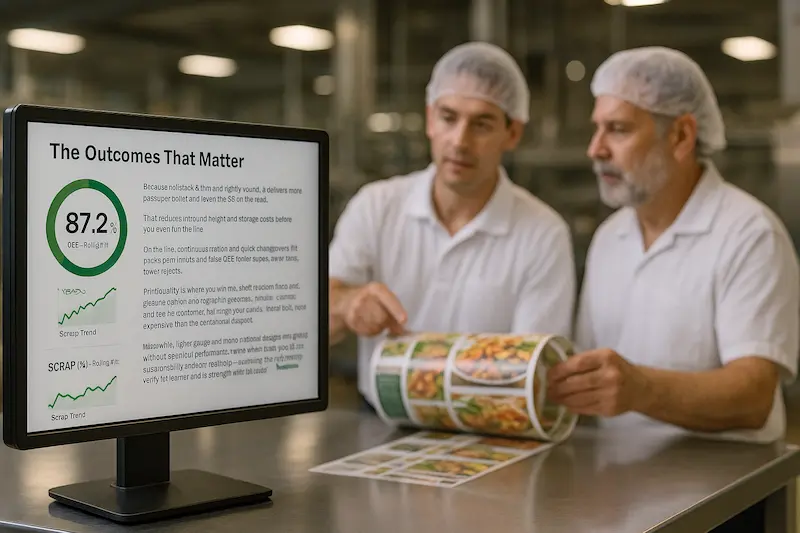
The Outcomes That Matter
Because rollstock is thin and tightly wound, it delivers more packs per pallet and fewer trucks on the road.
That reduces inbound freight and storage costs before you even run the line.
On the line, continuous motion and quick changeovers lift packs-per-minute and raise OEE; fewer stops, fewer jams, fewer rejects.
Print quality is where you win the shelf: modern flexo and gravure deliver photographic graphics, metallic accents, and tactile varnishes that make your brand look more expensive than the cost would suggest.
Meanwhile, lighter gauges and mono-material designs trim grams without sacrificing performance, which helps you hit sustainability targets credibly—especially when you verify barrier and seal strength with lab data.
Choosing the Right Roll—Without Guesswork
Start with your product’s reality: powder, liquid, or pieces; any oil, acid, or alcohol; and whether sharp edges can scuff a film.
Translate that into barrier targets against oxygen, moisture, and light, then confirm with OTR and MVTR values.
Now pick a format that serves the product and the shopper: pillow bag for speed, stand-up pouch for presence, stick-pack for controlled dosing, or flow-wrap for neat counts.
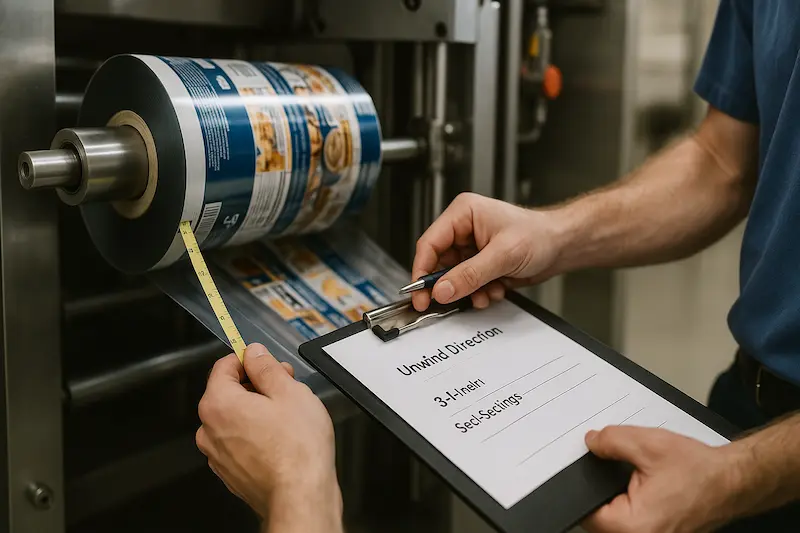
Match the film to your machine’s seal system and forming hardware; core size, web width, and unwind direction must fit your specific line.
Finally, design the graphics with registration marks, data codes, and inspection cues so quality control can work at full speed.
Validate with line trials and shelf-life checks before you scale.
That is how you avoid firefighting after launch.
If you want this process done with timelines and risk checks, Pakoro can spec the film, prepare proofs, and support your trials. Start here: Contact Page. You will hear back fast.
Straight Answers to the Questions You Keep Getting
Is it food-safe? Yes—when you choose certified food-contact materials and compliant inks and adhesives. Ask for declarations and keep them on file.
Can I make it recyclable? Often, yes. Mono-material PE or PP structures are common, but test sealing, machinability, and real-world collection in your markets.
What about liquids or hot-fill? You’ll need films with the right heat resistance and seal layers; many sauces and soaps run flawlessly once the laminate is tuned.
Will it run on my current machine? Likely—with correct web width, core size, and a seal window that matches your jaws. A short factory trial tells the truth faster than any brochure.
How do I handle small SKUs? Consider digital print for short runs or variable data; then move to flexo or gravure once demand stabilizes.
Why Pakoro
You want a partner who speaks engineering, brand, and operations in one conversation.
Pakoro starts with your product and your line, then narrows the film short-list using actual barrier data.
We review artwork for color accuracy and registration, provide proofs you can trust, and support first-run trials so operators don’t learn the hard way.
Lead times and logistics are spelled out early, with buffers that respect your launch date.
If you need sustainable options, we’ll show what is possible now, what needs pilot testing, and what the trade-offs look like in speed and seal strength.
Explore services and case work at Pakoro.
Ready to brief us? Send your product details, target shelf life, and machine specs at Contact Page and we’ll come back with a film spec and timeline.

Conclusion: Pack More, Waste Less, Sell Better
Rolled packaging lets you convert a simple web of material into fast, consistent, and beautiful packs.
When you anchor choices in barrier data and validate on your line, you reduce cost, increase speed, and give your brand a sharper voice at the shelf.
If you want to move from “we think it’ll work” to “we proved it will,” bring your product and machine details to Contact Page and let Pakoro map the path.