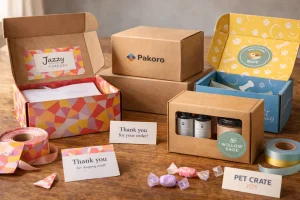
Hey there, business owner! You’re probably juggling a million decisions about your packaging—trying to keep costs down, customers happy, and the planet in mind. Tissue paper might seem like a small detail, but it’s a big deal when it comes to sustainability. As a packaging expert, I’m here to help you figure it out. Whether you’re shipping products or just curious about eco-friendly options, this guide has you covered.
Let’s kick things off with the good stuff. Below is a table of key points—your cheat sheet to tissue paper sustainability. It’s the most valuable info you’ll want upfront, so keep it handy as we dive in.
Key Points: Tissue Paper Sustainability at a Glance
| Aspect | Details |
|---|---|
| Recyclability | Depends on local facilities; must be free of foil, glitter, or coatings. |
| Compostability | Possible if no contaminants; avoid full-coverage printing. |
| Best End-of-Life | Reuse first, then recycle if accepted, compost if not. |
| Eco-Friendly Choice | 100% recycled, no synthetics, water-based inks. |
| Alternative Option | SpiroPack Nest Eco: recyclable, compostable, and efficient. |
Ready to dig deeper? Let’s explore how you can make tissue paper work for your business—and the environment. We’ll cover recycling, composting, customer communication, and even a cool alternative. Plus, I’ll sprinkle in some SEO-friendly tips to boost your blog’s visibility. Let’s get started!
Is Tissue Paper Recyclable? It’s Not as Simple as You Think
You’ve probably slapped a “recyclable” label on your tissue paper and called it a day. But hold on—recycling isn’t that straightforward. It’s a great option, but it depends on a few factors. Let’s break it down so you can decide what’s best for your brand.

Why Recycling Tissue Paper Can Be Tricky
- Good news first: Tissue paper can be recycled if it’s clean—no foil, glitter, or shiny coatings. These contaminants mess up the process, making it impossible to turn the paper into something new.
- Here’s the catch: Not every recycling center takes it. Tissue paper is thin and low-value, so some facilities skip it. Plus, its flimsy texture can jam sorting machines.
What You Need to Do
- Check your local rules. Recycling varies by location. For example:
- In Boulder County, Colorado, tissue paper goes straight to the landfill.
- In Larimer County nearby, it’s recyclable.
- San Francisco composts it.
- Austin, Texas, recycles it.
- Not sure? Call your local waste management team. They’ll tell you exactly what flies in your area.
Pro Tip for Your Business: Don’t say “100% recyclable” on your packaging. Instead, try: “Recyclable where facilities exist—check locally.” It’s honest, and your customers will appreciate the clarity.
Composting Tissue Paper: Your Plan B
If recycling’s off the table, composting could save the day. It’s a fantastic way to keep tissue paper out of landfills—but only if you do it right. Let’s see how it works.
When Composting Makes Sense
- Plain tissue paper—no foil, glitter, or coatings—composts beautifully. It soaks up moisture from food scraps, helping your compost pile thrive.
- Why you’ll love it: It’s an easy, eco-friendly option if recycling isn’t available.
Watch Out for These Pitfalls
- Skip tissue paper with:
- Foil, glitter, or synthetic coatings—these can leach harmful stuff into your soil.
- Heavy ink designs. Full-coverage printing might break down, but the chemicals could hurt your compost.
- If it’s contaminated, toss it in the trash. Landfill is better than ruining your compost.
Quick Question: Do you compost at your facility? If so, this could be a game-changer for your waste strategy.
Biodegradable vs. Compostable: Clearing Up the Confusion
You’ve seen “biodegradable” and “compostable” on labels, right? They’re not the same, and mixing them up could trip you up. Here’s the difference, plain and simple.
- Biodegradable: It’ll break down eventually if left outside. Great for reducing litter, but not ideal for composting.
- Compostable: Designed to decompose in a compost system, turning into nutrient-rich soil.
So, what’s the takeaway? Recycling beats composting when it’s an option. But if recycling’s out, composting clean tissue paper is your next best move.
Talking to Your Customers About Tissue Paper Disposal
Your customers want to be green—they just need a nudge. As a business, you’ve got to guide them. Clear, honest communication about tissue paper disposal builds trust and keeps your brand sustainable. Here’s how to nail it.
What to Tell Them
- Steer clear of bold claims. Don’t say “100% recyclable” unless every recycler takes it (spoiler: they don’t). Try: “Recyclable where accepted. Otherwise, compost it if it’s plain.”
- Push reuse first. Tissue paper’s perfect for gift wrapping, crafts, or even packing fragile items. Encourage creativity!
Sample Messaging for Your Packaging
- “Love our tissue paper? Reuse it for your next gift! Ready to toss it? Check if your recycler takes it—or compost it if it’s free of foil or glitter.”
Why It Works: It’s friendly, actionable, and shows you care about sustainability. Your customers will feel empowered, not confused.
Picking the Most Sustainable Tissue Paper for Your Brand
You want tissue paper that’s good for the planet and your bottom line. The right choice can set you apart. Here’s what to look for when sourcing sustainable tissue paper.
Must-Have Features
- 100% recycled content, especially post-consumer waste. It cuts down on virgin resource use.
- No foil, glitter, or synthetics. These make recycling or composting a nightmare.
- Water or soy-based inks. Skip digital toner—it’s less eco-friendly.
Why These Matter
- Recycled materials save trees and energy.
- Clean design ensures end-of-life options like recycling or composting stay viable.
- Eco inks keep the process green from start to finish.
Shoutout to EcoEnclose: Their tissue paper checks all the boxes—100% recycled (20% post-consumer), chlorine-free, FSC® certified, and printed with water-based inks. It’s a solid pick for your eCommerce packaging.
SpiroPack Nest Eco: A Fresh Take on Void Fill
Tired of boring tissue paper or wasteful packing peanuts? Meet SpiroPack Nest Eco. It’s a sustainable alternative that’s turning heads—and for good reason.
What’s SpiroPack Nest Eco?
- A spiral-cut tissue paper void fill that swaps out crinkle paper or plastic.
- Made from 100% recycled materials (95% for white), it’s FSC® certified, recyclable, and compostable.
Why You’ll Want It
- Less is more: The spiral design puffs up, so you use less to protect your products.
- Recycler-friendly: Unlike shredded paper, its unique cut plays nice with sorting machines.
- Looks amazing: It creates a nest-like effect that wows your customers.
Bonus Perk: If recycling’s not an option, it composts at home. How’s that for versatility?
Wrapping It Up: Your Sustainable Game Plan
Here’s your mantra: Reuse, recycle, compost—in that order. Encourage your customers to reuse tissue paper first—it’s the greenest choice. Next, check if your local recycler takes it. If not, composting’s your fallback (just keep it clean).
You’ve got this. Choosing sustainable tissue paper and sharing clear disposal tips shows your customers you’re serious about the planet. It’s a win for your brand and the environment.
Ready to Level Up Your Packaging?
- For Your Business: Check out Pakoro tissue paper for top-notch options.
- Want to Chat? Drop a comment below. Tell me how you’re greening your packaging—I’d love to hear your ideas!