
Registered Embossing
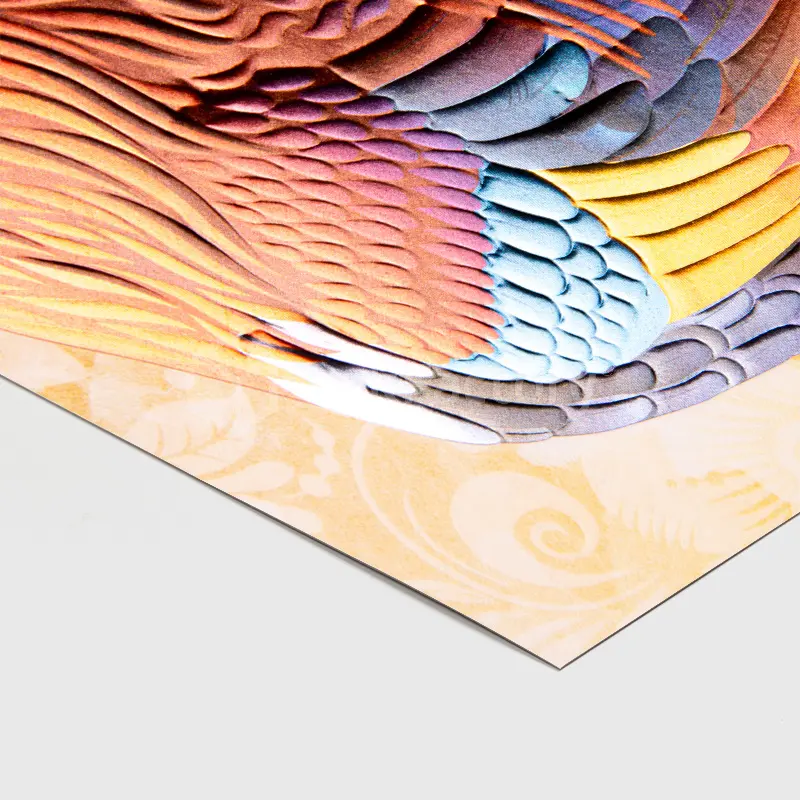
Registered embossing combines a blind embossed image with another element, such as ink, foil, or another embossed image, to create a unique 3D design.
- Uses two designs in alignment
- Creates depth and texture
- Ideal for folding carton and paper packaging
Best Used With
Overview
Registered embossing aligns an embossed design with another element, such as foil stamping, printing, or another embossed image, to create unique and eye-catching 3D designs. This technique can simulate textures through its layering of 3D elements. Ideal for creating the appearance of wood or stippled concrete, registered embossing adds depth and texture to folding carton and paper packaging designs.
Foil Stamping Process

Relief Pattern Configurations






Press Types of Embossing/ Debossing

Roll press
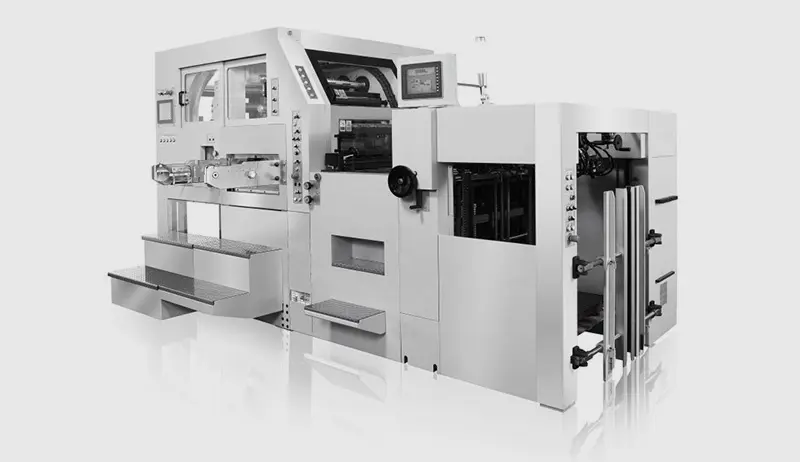
Large paper rolls are continuously fed between dies to emboss or deboss designs, making this method faster than traditional techniques.
Straight stamp press

Clamshell press
Derived from the resemblance to an opening and closing clamshell, paper is placed between dies to create an emboss or deboss effect.
Embossing/ Debossing Die
Embossing/Debossing Die
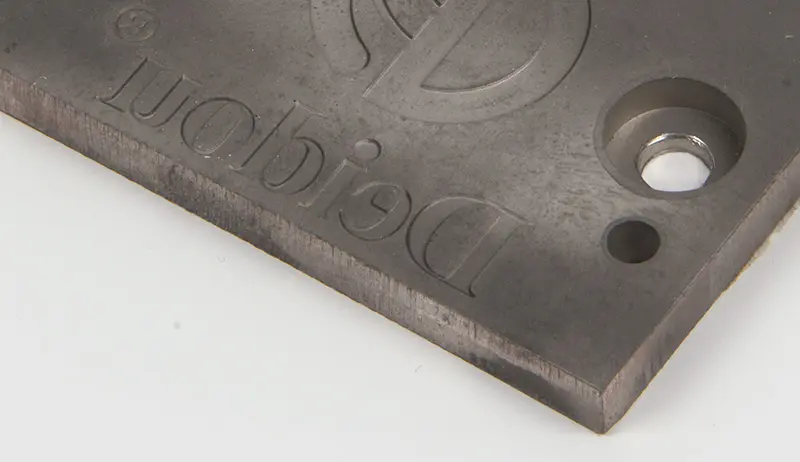
Embossing and debossing dies fit together like puzzle pieces, featuring a mirrored image of the custom design—one raised and the other sunken—to create the desired effect.
Faux Leather Jewelry Box
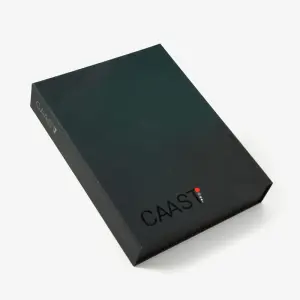
Black Presentation Box with Foam Insert