As the world becomes increasingly conscious of the environmental impact of packaging materials, the demand for sustainable and eco-friendly alternatives is at an all-time high.
Among the various materials being explored, glassine paper is emerging as a highly viable option for brands and manufacturers looking to reduce their environmental footprint.
Unlike traditional packaging materials that often contribute to waste, glassine paper offers a unique combination of sustainability, durability, and versatility.
In this article, We’ll take an in-depth look at What Is Glassine Paper?, how it’s made, its advantages and disadvantages, and how it compares to other packaging materials.
What is Glassine Paper?
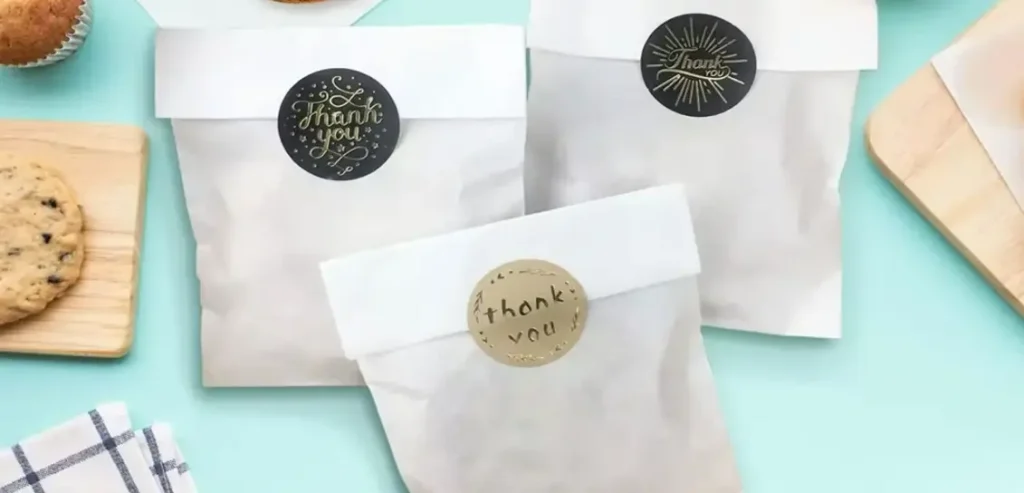
Glassine paper is a smooth, glossy, and translucent material often used in packaging and foodservice.
Despite its name, glassine is not made of glass. Instead, it’s a high-quality, pulp-based paper that has been specially treated to create its unique qualities.
The primary feature that sets glassine apart from other paper materials is its combination of transparency and resistance to air, moisture, grease, and oils.
Its smooth surface gives it a refined, polished appearance, making it an excellent choice for both functional and aesthetic packaging applications.
One common misconception about glassine is that it’s similar to wax paper or parchment.
While these materials also serve protective purposes, they differ in their composition and properties.
Glassine does not require a wax coating for its protective qualities, which enhances its appeal as an eco-friendly option.

How is Glassine Paper Made?
The production of glassine paper is a precise and complex process that involves several stages, each contributing to the paper’s unique qualities. Here’s an overview of how it is made:
- Raw Materials: Glassine paper is primarily made from hardwood trees such as aspen, oak, and birch. The wood is harvested and transported to paper mills, where it undergoes the first stage of processing—pulping.
- Pulping: During this stage, the wood is broken down into its fibrous components, and the lignin (which makes paper brittle and prone to discoloration) is removed. The removal of lignin is essential for the paper’s flexibility and resistance to environmental factors like moisture and grease.
- Bleaching and Treatment: After pulping, the fibers are bleached to achieve the desired color and brightness. At this stage, other substances like clay, titanium oxide, and calcium carbonate may be added to the pulp to enhance properties such as opacity, brightness, and smoothness.
- Supercalendering: The final stage in the creation of glassine paper is known as supercalendering. This process involves passing the paper through a series of heated or cooled rollers (called calendars), which smooth out the surface and give it its signature glossy finish. Supercalendering also helps make the paper resistant to moisture, air, and grease by compacting the fibers and further improving its durability.

The result is a highly versatile, smooth, and durable paper with excellent protective properties.
Unlike many other papers, glassine paper’s unique texture and finish make it perfect for a wide range of packaging applications.
The Benefits of Glassine Paper
Glassine paper offers several significant advantages that make it an attractive option for businesses looking to adopt more sustainable packaging materials.
Here are some of the key benefits:
- Environmental Friendliness: One of the main selling points of glassine is its sustainability. Since it’s made from wood pulp and is fully recyclable and biodegradable, it poses less of an environmental threat compared to plastic and other non-biodegradable materials. Glassine can be composted or recycled, making it a great choice for businesses aiming to reduce their environmental impact.
- Grease and Moisture Resistance: Glassine’s inherent resistance to grease, moisture, and air makes it ideal for packaging products that require protection from these elements. It’s commonly used in the food industry to wrap baked goods, confectioneries, and snacks, where keeping moisture and grease at bay is crucial to preserving product quality.
- Durability: Unlike many other thin paper materials, glassine is high-density and thick, giving it more tensile strength, folding endurance, and stiffness. This makes it highly durable and resistant to tearing, making it perfect for protective packaging applications.
- Transparency: Glassine’s glossy, translucent finish allows for a clear view of the products inside, which can be a significant selling point for businesses looking to enhance the aesthetic appeal of their packaging while ensuring protection from environmental elements.
- No Need for Wax Coatings: Glassine does not require wax coatings or plastic laminates to be effective in protecting products. This eliminates the need for additional non-biodegradable materials, further improving its eco-friendly profile.
The Drawbacks of Glassine Paper

While glassine paper offers many benefits, it’s important to also consider some of its limitations.
Being aware of these potential drawbacks will help businesses determine if glassine is the right material for their needs.
- Printing Limitations: One of the primary drawbacks of glassine is its low ink absorption. Since glassine is not as porous as other papers, it can be difficult to print on. While offset and digital printing can be used, ink may smudge or take longer to dry. This can result in delayed production times and compromised print quality.
- Embossing Challenges: Glassine’s smooth, but slightly crinkled texture can make embossing difficult. While embossing is possible, it may not be as effective as on sturdier materials like corrugated fiberboard or folding carton paperboard, which are better suited to such processes.
- Higher Cost: Due to the specialized production process, glassine can be more expensive than regular paper materials, which might make it a less viable option for businesses operating on tight budgets.
Alternatives to Glassine Paper
Although glassine offers a unique set of benefits, there are other materials worth considering, depending on the specific needs of the business. Here are a few alternatives:
- Vellum: A translucent paper that is more delicate than glassine. It’s great for aesthetic packaging but can tear easily.
- Parchment Paper: Non-stick and resistant to elements, but it is not recyclable and can have a more limited range of applications.
- Wax Paper and Cellophane: These materials are often used for similar protective purposes but are harder to print on and may not be as sustainable as glassine.
Applications of Glassine Paper
Glassine paper’s unique combination of transparency, durability, and resistance to environmental factors makes it suitable for a variety of industries, including:
- Food Industry: Glassine is widely used to wrap baked goods, confections, and other food items that require moisture and grease protection.
- Cosmetics: Glassine paper is often used in the cosmetic industry for packaging and wrapping products, offering both protection and a refined aesthetic.
- Pharmaceuticals: Glassine’s resistance to moisture and grease makes it ideal for packaging medicinal products that need to remain protected during transport and storage.
Additionally, glassine is used for making custom packaging bags, envelopes, and wrapping paper in various sectors.
END
Glassine paper is an excellent example of how sustainable materials can meet the growing demand for eco-friendly packaging solutions.
With its combination of recyclability, durability, and resistance to environmental factors, glassine offers businesses an alternative to plastic and other non-biodegradable materials.
While it does have some limitations, such as printing and embossing challenges, its benefits make it a compelling choice for industries ranging from food to pharmaceuticals.
If you are looking for an environmentally conscious packaging solution that also offers strength and transparency, glassine paper is definitely worth considering.
If you’re ready to explore glassine as an option for your packaging needs, contact us today to discuss how our custom glassine paper solutions can elevate your brand’s sustainability efforts.