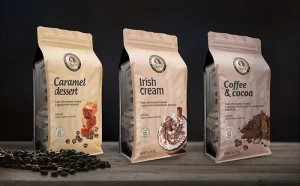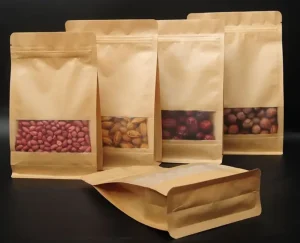
Retail packaging plays a pivotal role in how products are presented and perceived in stores.
As consumers face a multitude of choices on store shelves, the packaging of a product can be the deciding factor in whether or not they make a purchase.
Retail-ready packaging (RRP) is designed specifically to make a product more accessible, eye-catching, and easier for store employees to stock, ultimately driving sales and improving brand visibility.
This article will delve deeper into what retail-ready packaging is, its importance, and how brands can design packaging that not only meets retailer requirements but also attracts and retains consumers.

Understanding the Retail Environment
Before diving into the specifics of retail-ready packaging, it’s crucial to understand how the retail process works and the role that packaging plays in it.
How Retail Works
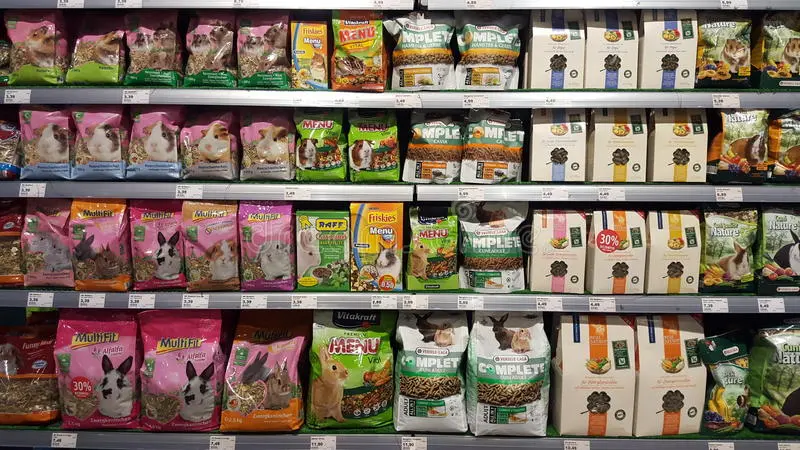
Retail is all about shelf displays. Retailers need to display products in a way that is easy for customers to find, grab, and purchase.
To ensure products sell efficiently, they must be easy for store employees to stock, replenish, and display.
The goal is to create an efficient, streamlined process that minimizes handling while ensuring that the products are presented in a way that maximizes sales.
Packaging plays an essential role in the retail process by meeting these needs. In fact, retail packaging goes beyond merely holding a product.
It must be designed to draw customers’ attention, facilitate easy stocking, and ensure that the product remains safe and in perfect condition while on display.
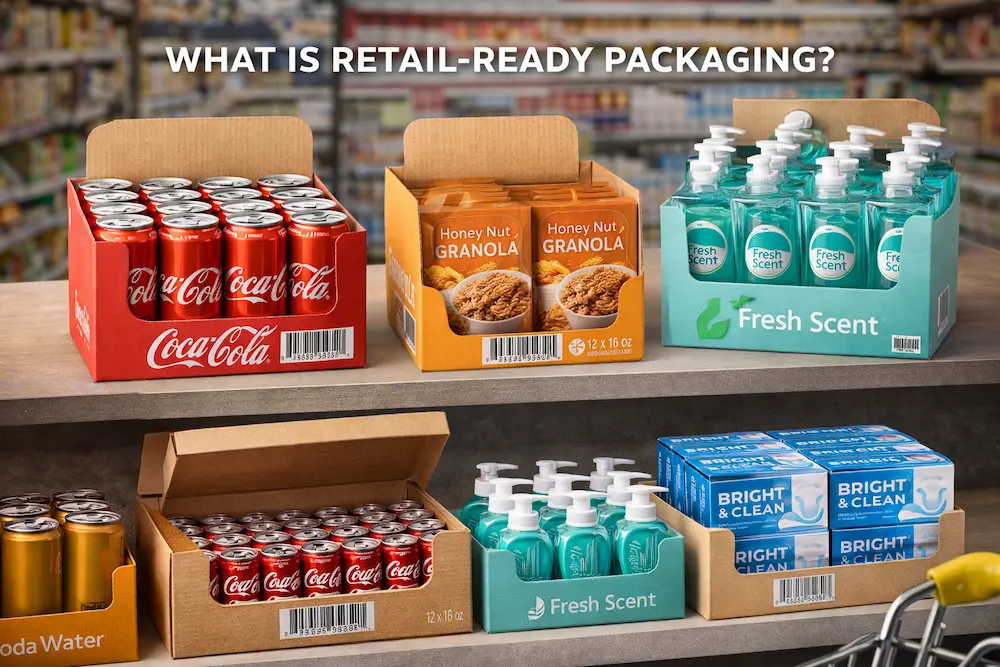
What is Retail-Ready Packaging (RRP)?
Retail-ready packaging refers to packaging that is specifically designed for direct display in retail stores.
The goal of this type of packaging is to make the product easy for both retailers to stock and consumers to purchase.
Key Characteristics of Retail-Ready Packaging
Retail-ready packaging is characterized by several core features that make it both functional and appealing to both store employees and customers:
- Easily Identifiable: The design should allow for quick identification by both employees and consumers, making it easier for staff to find and restock products.
- Easy to Open: RRP should be simple to open, requiring minimal effort or equipment. This reduces handling time during stocking and ensures that products can be quickly placed on shelves without hassle.
- Easily Replenished: The packaging should be designed in such a way that it can be quickly restocked, with minimal disruption to store displays.
- Shop-Ready: Retail-ready packaging needs to be easy for customers to take off the shelf without causing damage or inconvenience. Packaging that is difficult to open or awkwardly shaped can discourage customers from purchasing.
- Disposable and Recyclable: In an era of heightened environmental awareness, packaging should be easy to dispose of and recyclable. Eco-friendly packaging options are increasingly important to consumers.
By focusing on these fundamentals, brands can ensure that their products are not only well-represented on store shelves but also easy for retailers to handle.
The Importance of Retail Packaging
The first interaction a consumer has with a product is often through its packaging, and this interaction can significantly influence their decision to purchase.
In a highly competitive retail environment, packaging is one of the most important tools a brand has to make a lasting impression.

Why Retail Packaging Matters
Retail packaging plays a critical role in attracting customers, building brand loyalty, and differentiating a product from competitors.
Research shows that 81% of consumers have tried a new product because its packaging caught their eye.
Furthermore, 63% of consumers have repurchased a product due to appealing packaging, highlighting the power of design in fostering brand loyalty.
Additionally, 52% of consumers have switched brands because of changes in packaging.
This statistic underscores the fact that packaging is not only important at the point of sale but can also have a lasting impact on consumer behavior.
Retail-ready packaging is also essential for enhancing a brand’s visibility and credibility.
With countless brands competing for space on retail shelves, distinctive, eye-catching packaging can help a product stand out and remain top-of-mind for customers.
Moreover, with more consumers becoming environmentally conscious, packaging that reflects sustainability efforts, such as recyclable or biodegradable materials, can further enhance a brand’s image.
Key Elements to Consider When Designing Retail Packaging
Creating effective retail-ready packaging involves more than just slapping a logo on a box.
It requires careful planning, consideration of multiple elements, and an understanding of both consumer preferences and retailer needs.
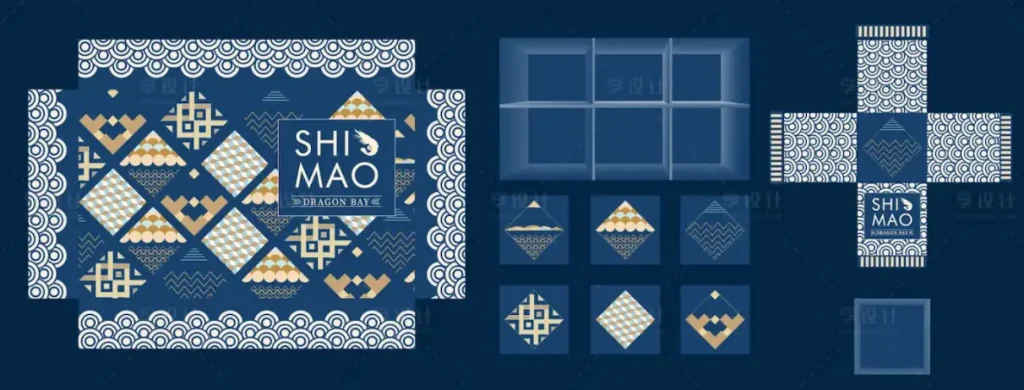
Packaging Structure and Design
The first step in designing retail-ready packaging is determining the structural elements of the packaging. Consider the following:
- Packaging Style: What kind of packaging best fits your product? Should it be a box, bag, or a custom shape?
- Product Fit: How does the product fit inside the packaging? The fit should be snug to protect the product but not too tight to create difficulty in handling.
- Display Considerations: Will the product be displayed upright, on a shelf, or in a hanging display? The packaging should accommodate the chosen display method.
- Inserts or Dividers: Do you need to include any protective inserts or dividers to keep your product in place during transport?
These structural elements will determine the type of packaging you need and ensure that your product fits within retailer requirements.
Retailer Requirements
Retailers often have specific packaging requirements to ensure that products fit seamlessly into their store layout and supply chain. These include:
- Size: Ensure that your packaging fits within the designated space on retail shelves.
- Weight: Consider the weight of the packaging, as heavier packaging may increase shipping costs and limit the number of products that can be stocked.
- Artwork Design: The design should be visually appealing but also adhere to any guidelines set by retailers. Ensure that logos, branding, and product details are clear and prominent.
Sustainability in Packaging
Sustainability is an increasingly important factor for both brands and consumers.
Opting for eco-friendly packaging materials, such as Kraft paper or corrugated cardboard, can improve your brand’s reputation and appeal to environmentally conscious shoppers.
Additionally, using water-based inks and coatings reduces the environmental impact of your packaging.
Crafting a Memorable Packaging Design
The visual appeal of packaging can make all the difference when it comes to standing out on the shelf. Here are several considerations for creating impactful retail packaging:
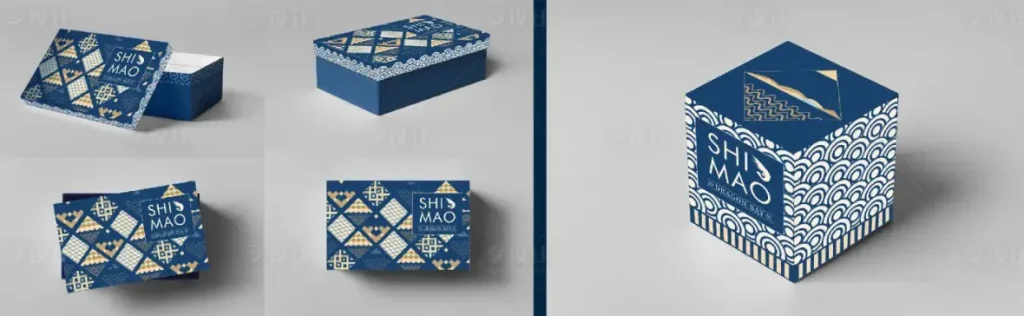
Brand Narrative and Artwork
The design of your packaging should reflect your brand’s identity and story.
Whether it’s minimalistic and elegant or bold and vibrant, the artwork should resonate with your target audience.
Packaging that tells a compelling brand story can create a stronger connection with consumers, increasing the likelihood of repeat purchases.
Target Audience Considerations
Consider who your target market is and what kind of packaging will appeal to them.
Are they looking for something simple and functional, or do they seek a more luxurious, experience-driven unboxing process?
Durability
Think about how the packaging will fare during transportation and handling.
Will it withstand the rigors of shipping and stocking, or is it prone to damage?
Durable packaging ensures that the product remains in good condition when it reaches the store shelves.
Cost vs. Quality
Packaging design comes with its own set of costs.
While it’s important to balance quality with cost-effectiveness, don’t sacrifice design elements that could affect the product’s overall appeal.
Packaging experts can help you identify ways to optimize cost without compromising on the quality of the design.
Examples of Successful Retail Packaging
To inspire your retail packaging design, consider these examples of brands that have mastered the art of packaging:
- Beauty Bakerie: Known for their creative, baking-inspired packaging, Beauty Bakerie uses a fun and eye-catching aesthetic that stands out in the beauty industry.
- Benefit Cosmetics: With its vintage-inspired packaging, Benefit Cosmetics has been able to differentiate itself in the crowded beauty market through its memorable design.
- Boxed Water: This brand has redefined the packaging of bottled water, offering a unique, eco-friendly box instead of a traditional plastic bottle.
- Pringles: The iconic Pringles can is an excellent example of packaging that is instantly recognizable, ensuring the brand stands out on shelves.
Conclusion
Retail-ready packaging is essential for brands looking to succeed in the competitive world of retail.
By focusing on ease of stocking, sustainability, and eye-catching design, brands can create packaging that appeals to both retailers and consumers.
With the right packaging, you can elevate your brand, increase sales, and foster long-term customer loyalty.
Working closely with packaging experts and understanding the unique needs of your target market will help you create retail-ready packaging that is not only functional but also impactful.
Remember, in retail, the packaging is just as important as the product itself.