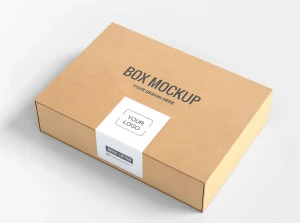
When it comes to your product’s packaging, many businesses often overlook the costs involved, thinking that only big brands with huge budgets can afford custom packaging.
But, packaging is not just an extra cost—it’s a crucial part of your product’s marketing and protection.
Understanding how packaging costs work can help your brand make smarter decisions and save money.
What Are Packaging Costs?
Packaging costs are more than just the price of a box.
They include several factors that work together to form the final cost.
These factors are broken down into fixed costs and variable costs.
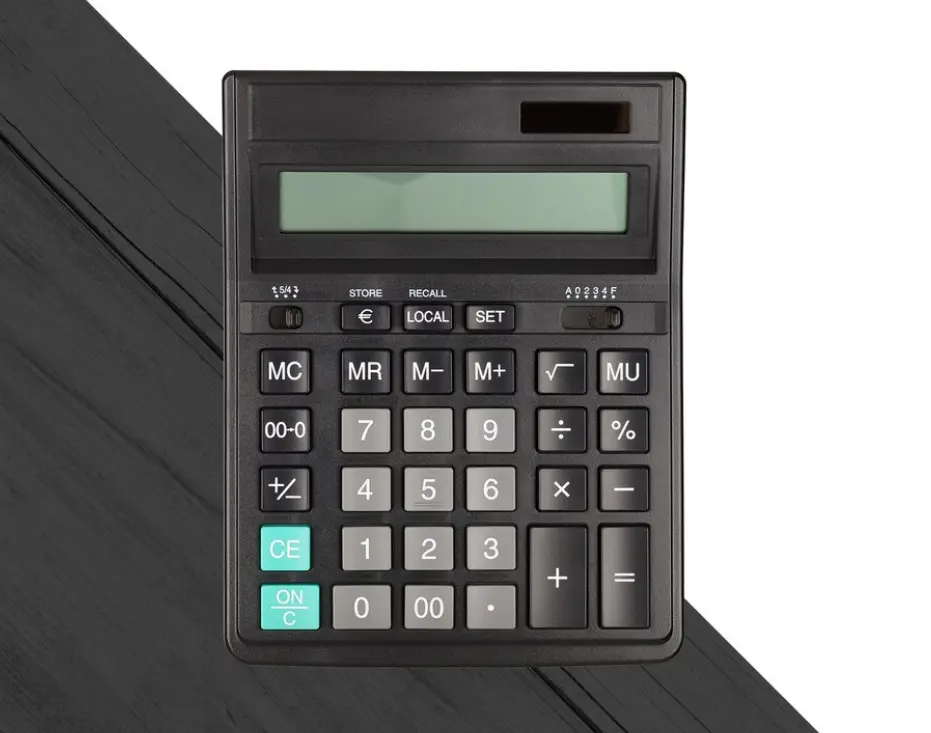
Let’s dive deeper into each one:
1. Fixed Costs
Fixed costs are the expenses that remain the same regardless of how many units you order.
These are one-time costs that you pay upfront but don’t change with volume.
Common fixed costs include:
- Machinery setup costs: When machines are set up to make packaging, the costs are fixed, regardless of how many boxes you order.
- Printing plate costs: Used in printing your brand’s logo or designs on packaging.
- Mold costs: If you’re making custom shapes (like for a unique box), the molds used in the production process are also fixed.
- Factory overhead: Costs for maintaining the production facility (rent, utilities, etc.).
Even if you order 100 boxes or 10,000 boxes, these costs won’t change.
However, the more boxes you order, the less these fixed costs will impact each box.
The cost per unit decreases as you increase the order volume.
2. Variable Costs
Variable costs are expenses that change based on how many units you order. These include things like:
- Materials: Paper, cardboard, and ink used in your packaging.
- Labor: Hourly wages paid to workers assembling or packing your boxes.
- Shipping: The cost to ship your boxes from the factory to your location.

As you order more boxes, these costs will increase. So, while fixed costs may stay the same, variable costs grow with the volume of packaging you need.
How Economies of Scale Affect Packaging Costs
You’ve probably noticed that when you buy in bulk, the price per unit tends to drop.
This is called economies of scale. Here’s how it works:
Let’s assume your fixed costs are $100 (ignoring variable costs for a moment):
- If you order 100 units, your fixed cost per unit is $1 ($100 ÷ 100).
- If you order 1,000 units, your fixed cost per unit is only $0.10 ($100 ÷ 1,000).

So, by increasing the volume, the fixed cost per unit goes down significantly, making it cheaper per box. This is one of the reasons why larger orders can give you better pricing.
To get a glimpse of how Pakoro can help reduce your packaging costs, feel free to visit our Packaging page.
How Variable Costs Are Affected by Volume
Although variable costs increase as your order grows, economies of scale can also impact these costs. For example, larger orders often lead to:
- More efficient production.
- Lower shipping costs per unit due to bulk shipping.
- Discounts on materials.
Let’s look at a simple example to see how variable costs change:
- If you order 100 units, the fixed cost per unit is $1, and the variable cost per unit is $1. So, the total cost per unit is $2.
- If you order 1,000 units, the fixed cost per unit drops to $0.10, but the variable cost per unit stays at $1. So, the total cost per unit is $1.10.
As you can see, ordering more reduces your per unit cost, even though variable costs still increase with volume. But the savings on fixed costs more than make up for it.
For more details on how Pakoro can assist with your custom packaging needs, check out our main site for more information.
What Happens When You Order Too Many? Understanding Diminishing Returns
Here’s a little secret: there’s a point where ordering more packaging doesn’t give you as much of a discount.
This is called diminishing returns.
It happens when you’ve already ordered enough packaging to cover your production needs, and ordering more doesn’t lead to significant savings.
For example:
- If you order 15,000 units, the fixed cost per unit is just $0.007, and the total price per unit is $1.007.
- But if you increase your order to 20,000 units, the fixed cost per unit drops even more to $0.005, and the total price per unit is $1.005.
The difference in price between 15,000 and 20,000 units is minimal, so ordering more than what you need may not always give you better value.
Conclusion
In the end, understanding packaging costs can help your brand make smarter, more cost-effective decisions. Here’s a quick recap:
- Fixed costs (machinery, molds, etc.) stay the same, but they get cheaper per unit as you order more.
- Variable costs (materials, labor, shipping) increase with volume, but economies of scale can make production more efficient.
- Diminishing returns show that there’s a limit to how much more you’ll save by ordering large quantities.
Packaging is an important part of your product’s overall cost, so knowing how to balance your order volume with cost-saving strategies will help you avoid overspending.
At Pakoro, we specialize in providing cost-effective, high-quality packaging solutions.
Whether you’re a small business or a large corporation, we can help you reduce costs while improving the quality of your packaging.
Visit Pakoro today to get a quote or speak to one of our experts about how we can help optimize your packaging strategy.
By understanding these key principles, you can confidently make packaging decisions that align with your brand’s needs and budget.
Ready to get started?
Contact us today, and let’s discuss how Pakoro can support your packaging needs.