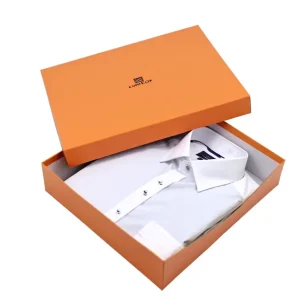
When developing a product, companies often invest significant time and resources into its design, concept, and overall functionality.
However, packaging can sometimes be left as an afterthought, despite its critical importance.
Your product’s packaging is much more than a protective shell; it acts as a spokesperson, communicating brand values, product quality, and creating an experience that could turn a one-time buyer into a loyal customer.
Packaging is a multifaceted tool that not only protects your product but also serves as a platform to market your brand and build customer loyalty.
The packaging design you choose is often the first impression your customer will have of your product, and that impression can be crucial in determining whether a customer becomes a repeat buyer.
That is why it is crucial to integrate packaging considerations early in your product’s development process to ensure that it becomes a strategic element that enhances customer experience, builds brand credibility, and contributes to the overall brand narrative.
Here are five key considerations to ensure your packaging stands out in the marketplace and creates a deep connection with your customers.

Determine a Packaging Strategy
Packaging is far more than just a pretty exterior. It is a powerful marketing tool that tells the story of your product, and it has an impact on your customers’ perception from the moment they encounter it.
Developing a packaging strategy is an essential starting point for ensuring that your packaging not only looks appealing but also adds value to your product.
The right packaging strategy aligns with your brand’s narrative and goals while taking into account factors like cost, materials, and customer expectations.
A well-considered strategy will help you make informed decisions during the design process and ultimately produce packaging that enhances your product’s appeal.
Here are some key questions to help you determine your strategy:
- What narrative do you want your packaging to communicate? A strong brand narrative creates an emotional connection and adds meaning to your product. It is important to think about what message you want to convey to your customers when they see your packaging for the first time. Are you emphasizing sustainability, luxury, affordability, or innovation?
- What differentiates your product from competitors? Identify what makes your product unique and incorporate that into your packaging to help it stand out. Consider elements like colors, materials, and artwork that represent the uniqueness of your product.
- How will customers interact with your product? Whether it is in a retail setting or delivered through e-commerce, different considerations apply for the design of your packaging. Retail packaging must stand out on shelves, whereas e-commerce packaging must be designed to withstand shipping while also providing an exciting unboxing experience.
- What is the “wow factor” of your product? The wow factor is the element that makes your product memorable—packaging that emphasizes this will help drive brand loyalty. Think about the aspects of your product that will elicit excitement and delight when customers first see or touch it.
- How do you want your customers to feel when they open the product? Positive emotions and an exciting unboxing experience can leave a lasting impression and encourage customers to come back. The packaging should not only be visually pleasing but also provide an element of surprise or delight.

Prioritizing these elements will ensure that you are designing packaging that is more than functional—it’s a value-add for your product and your brand. A well-thought-out packaging strategy ensures that your brand story, product differentiation, customer experience, and emotional connection are all carefully integrated.
Choose the Right Type of Packaging
The type of packaging you choose plays a vital role in shaping customer perceptions of your product. The material, shape, and layers used in your packaging all contribute to how customers feel about your brand.
Packaging can be divided into three primary layers:
- The Outer Layer: This is the first thing your customer sees. It protects your product during shipping or when it is on store shelves. Choosing durable, consistent, and protective materials will ensure that your products reach customers safely while also making a great first impression. The outer layer could be anything from a branded shipping box to a protective plastic wrap that serves as an initial barrier against environmental factors.
- The Inner Layer: The inner layer serves to further protect the product. It may consist of elements like tissue paper, packing peanuts, or insulation to maintain the integrity of your product. The inner layer ensures that the product remains undamaged during transportation, enhancing the unboxing experience. This layer also allows you to add a touch of personalization, such as branded tissue paper or a thank-you note, which can make the unboxing experience even more special.
- Product Packaging: This is the actual container or wrapper that directly holds your product. This layer is often the most branded and designed to represent your product on shelves. It could be a folding carton, rigid box, or a bottle, depending on the type of product. Product packaging should be eye-catching, informative, and aligned with your brand’s values. It is what ultimately convinces the customer to make a purchase, whether in a retail environment or online.

Choosing the right type of material is equally important.
Depending on your product, your options could include folding cartons, rigid packaging, corrugated packaging, or flexible packaging.
The following are some popular choices:
- Folding Carton: This material offers versatility in printing and finishing, providing a high-end feel. It’s ideal for cosmetics, pharmaceuticals, and apparel packaging. Folding cartons are lightweight, easy to customize, and offer a variety of finishes that can enhance the visual appeal of your product.
- Rigid Packaging: This type of packaging is durable, luxurious, and perfect for high-end products like jewelry and electronics. It enhances the product’s premium feel but can be costly and less protective during shipment. Rigid boxes are often used for luxury goods, as they provide a sense of exclusivity and value.
- Corrugated Packaging: Corrugated boxes are strong and protective, often used for shipping and e-commerce to safeguard heavier products. They are highly versatile and recyclable, making them a popular choice for retail and online shipments. Corrugated packaging can be customized with different printing options and offers excellent structural integrity.

Selecting the right material that aligns with your brand’s needs, values, and target market ensures that your product’s presentation is consistent and effective.
Consider the durability, sustainability, and overall look and feel of the material to make sure it resonates with your audience.
Exploring Structural Design
Packaging aesthetics are crucial, but functionality is just as important.
Structural design ensures that your packaging not only looks appealing but is also easy to use, durable, and functional.
The structural design aspect of packaging also helps balance the cost-effectiveness of materials.
Some important factors to consider in structural design include:
- Protection: The right structural design will prevent product damage during shipping or when handled by customers. Protective packaging is especially important for fragile items, and the design should ensure that the product remains safe from shocks, impacts, and other environmental factors.
- Cost Efficiency: Consider whether you can save on material costs by using folding carton and corrugated options. Lightweight yet sturdy construction can help reduce freight costs. Efficient structural design also means using less material without compromising the integrity of the packaging, which can result in significant cost savings.
- Freight Optimization: Proper structural design helps optimize freight space to minimize shipping costs. For example, corrugated cardboard boxes can be efficiently stacked and transported. Packaging that is designed to maximize space utilization will reduce shipping costs, leading to better profit margins.

Packaging inserts are also a valuable structural consideration:
- Foam Inserts: Provides a luxurious feel and firm cushioning for fragile items. Foam inserts are ideal for high-end electronics, glassware, and other delicate products that require extra protection.
- Cardboard Inserts: Versatile and cost-effective for products that are not too fragile. Cardboard inserts can be customized to fit different shapes and sizes, providing ample support to keep products secure.
- Molded Pulp Inserts: Offers a sustainable way to protect products, ideal for electronics, cosmetics, and tools. Molded pulp is made from recycled materials and is biodegradable, making it an excellent choice for brands focusing on sustainability.

The goal is to create packaging that protects the product and enhances the customer experience while being cost-effective for your business.
Structural engineering also plays a significant role in minimizing waste and improving packaging efficiency, ultimately contributing to both environmental sustainability and cost savings.
Develop Artwork Design
The artwork on your packaging is an essential part of telling your brand’s story.
This is where you can get creative, using graphics, copy, colors, and design elements to effectively communicate who you are and what makes your product special.
Great artwork can create an emotional connection with customers and leave a lasting impression.
Your artwork design should:
- Reflect your brand’s values, mission, and story: The colors, fonts, and imagery used in your packaging should align with your brand’s identity and create a cohesive look that customers can easily recognize. If your brand focuses on sustainability, use earthy tones and eco-friendly messaging.
- Communicate product information clearly: Including regulatory details, usage instructions, and key product benefits is essential. The packaging should also contain information that helps customers make informed decisions, such as ingredients, certifications, and unique selling points.
- Offer a premium look and feel: Conveying luxury or high-quality attributes can enhance customer anticipation and excitement about unboxing. Metallic foils, embossing, and unique finishes can be used to create a sense of exclusivity and high value.
The use of labels and stickers can also contribute to packaging artwork.
Stickers can be personalized to thank customers, include their names, or add fun messaging to enhance the customer experience.
Developing creative artwork goes beyond the product and reaches customers on a personal level, improving brand recognition and loyalty.
Customization, such as limited-edition designs or special seasonal artwork, can also boost customer engagement.
Consider creating packaging that tells a story.
The artwork on your packaging can help narrate the journey of your product, from how it was made to the values that underpin your brand.
This storytelling approach can foster an emotional connection with customers, giving them a reason to choose your product over others.
Experiment by Sampling & Prototyping
Developing the perfect packaging takes time, patience, and multiple iterations.
Prototyping and sampling are important parts of the design process that allow you to test different elements and ensure the packaging meets your expectations before moving into mass production.
Sampling and prototyping allow you to:
- Test Materials: Experiment with different packaging materials to determine what best suits your product. Testing different options will give you a better understanding of what materials provide the right balance of aesthetics, durability, and cost.
- Validate Size and Fit: Make sure that your product fits snugly and comfortably within the packaging. Improper sizing can impact customer experience and brand perception. If the product moves too much within the package, it may lead to damage or dissatisfaction during the unboxing experience.
- Get Feedback: Engage with your ideal target market to get feedback on the packaging. What resonates with them? Does it make them excited about the product? Customer feedback is invaluable, as it allows you to refine your packaging design to better meet their needs and expectations.

Prototyping also allows you to experiment with different finishes, colors, and designs, giving you a better sense of what works and what doesn’t.
Before the packaging is finalized, ensure you double-check your design elements, including structural engineering, artwork, and color choices.
The goal is to prevent design errors that could detract from the product experience and reduce customer satisfaction.
Conducting a series of prototypes, from initial white samples (unprinted) to fully printed pre-production samples, helps you evaluate every aspect of the packaging.
You can check for issues such as color discrepancies, fitting problems, or material weaknesses.
This iterative process allows you to refine your design before committing to full-scale production.
Conclusion
Designing effective packaging is a critical component of a successful product launch.
Packaging that is thoughtfully designed and strategically planned can make a significant difference in your product’s performance on the market.
Remember to create packaging that is memorable, user-friendly, and functional, while also reinforcing your brand narrative.
From developing a packaging strategy to designing artwork, selecting materials, exploring structural engineering, and prototyping, every step in the process plays a role in shaping the customer experience.
Your packaging speaks on behalf of your product—make sure it tells a compelling story, one that not only attracts customers but keeps them coming back for more.
The right packaging can elevate your brand’s presence in the marketplace and turn your product into an unforgettable experience.
By carefully considering every detail of your packaging—from strategy and materials to artwork and prototyping—you can create a package that stands out on shelves, delights customers upon arrival, and strengthens their connection with your brand.