Are you looking for ways to cut packaging costs, reduce environmental impact, and still protect your products effectively?
If so, lightweighting in packaging might be exactly what you need.
Keep reading to discover how lightweight packaging can help you increase your bottom line, enhance logistics, and elevate your brand image.
1. What Is Lightweighting in Packaging?

Lightweighting in packaging means reducing a package’s weight while preserving its core functions.
You still want to protect, store, and display your products without sacrificing quality.
You achieve this by optimizing packaging materials and using clever structural designs.
As an example, you might replace a bulky plastic tub with a flexible pouch that’s thinner yet durable enough to safeguard its contents.
This concept has grown in importance because of rising sustainability demands and ever-present cost pressures.
By using lightweight packaging, you not only reduce shipping loads but also cut down on raw materials.
In other words, lightweighting can help you stay ahead in both cost savings and sustainability.
2. What Is Lightweight Packaging?
Lightweight packaging covers any package that uses thinner materials or innovative tech to lower weight without weakening protective quality. You might explore:
- Thinner or More Flexible Films: These films protect products from moisture and oxygen while using less material overall.
- Biodegradable Materials: Eco-friendly options like compostable films reduce waste.
- Redesigned Structures: Packaging engineers tweak shapes for a superior strength-to-weight ratio.

Ultimately, “lightweight” refers to using fewer resources while preserving safety and freshness.
By adopting lightweighting in packaging, you can showcase your commitment to thoughtful, forward-thinking packaging solutions.
3. Advantages of Lightweighting in Packaging
3.1 Cost Savings
You want to reduce overhead while still delivering quality products. Lightweight packaging offers a direct path to cost savings in two ways:
- Lower Materials Cost: Using thinner films or less bulky components means you pay for fewer raw materials.
- Reduced Shipping Expenses: When you decrease a package’s weight, carriers charge you less. Your overall logistics budget improves as a result.
The more units you produce, the more dramatic these savings become over time.
3.2 Improved Sustainability
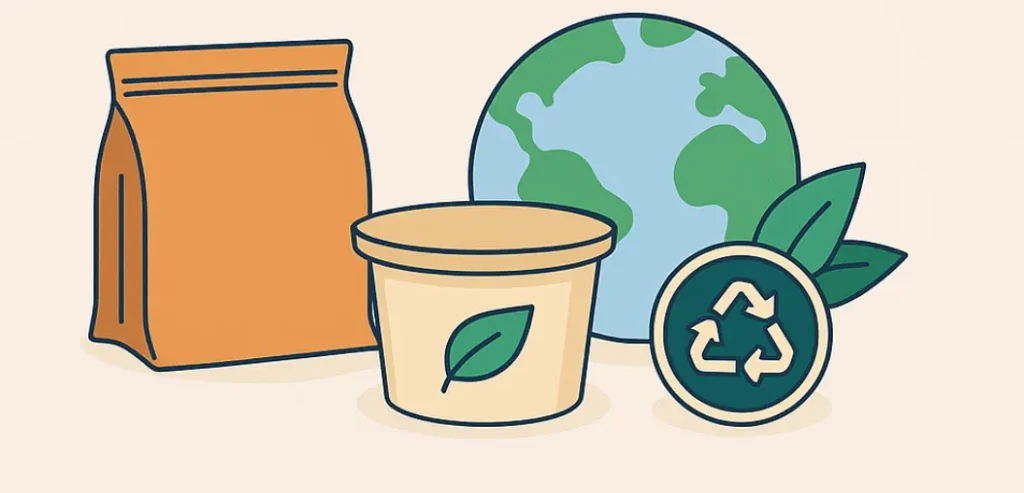
Are you eager to boost your brand’s reputation as an eco-conscious leader?
Lightweighting in packaging helps by cutting back on carbon emissions and waste.
Because you’re using fewer resources, your packaging requires less energy to create and transport.
You can also explore materials that are compostable or biodegradable, which further reduces landfill waste.
3.3 Enhanced Logistics
Reducing the load on your trucks or planes can go a long way toward streamlining your supply chain.
Lightweight packaging cuts:
- Fuel Use and Emissions: Lighter shipments burn less fuel.
- Storage and Handling Costs: Smaller, more flexible packaging materials take up less space.
When your logistics are more efficient, you can deliver products faster and more reliably.
3.4 Better Consumer Experience
Have you noticed how customers prefer pouches or resealable bags for snacks, cereals, or even pet food?
Lightweight packaging is simpler to carry, open, and store.
This added convenience can boost consumer loyalty.
It can also enhance your brand image because you’re catering to modern lifestyles while staying eco-friendly.
3.5 Regulatory Compliance and Brand Image
Many regions and industries require that businesses meet certain waste-reduction targets.
By adopting lightweighting in packaging, you:
- Align with Regulatory Standards: Show that you meet or exceed packaging waste directives.
- Elevate Brand Image: Demonstrate a proactive approach to sustainability and social responsibility.
4. Potential Disadvantages of Lightweighting in Packaging
4.1 Reduced Product Protection
When you opt for thinner materials, you might face the risk of compromised packaging protection.
If your items are fragile or heavy, a lightweight structure may not offer sufficient cushioning or barrier protection.
You must find the right balance to avoid quality or safety issues.

4.2 Limited Product Range
Some products need robust, rigid containers.
If you produce large or delicate goods, you may not be able to use lightweight packaging.
In other words, lightweighting in packaging isn’t a “one-size-fits-all” solution.
You should review each product’s requirements to ensure appropriate protection.
4.3 Increased Complexity
Your packaging engineers might need more time and expertise to develop the right lightweight solution.
You could even need new machinery or materials testing.
These factors might mean a higher initial investment.
Yet, you could offset this with long-term cost savings in production and shipping.
4.4 Perception and Branding Challenges
Some consumers might perceive lightweight packaging as “cheap” or “less premium.”
To overcome this, it’s crucial to emphasize your innovation and dedication to sustainability.
With the right marketing strategy, you can turn lightweight packaging into a competitive advantage.
5. Striking the Right Balance
You want to benefit from cost savings, logistics improvements, and a better consumer experience.
However, you also need to ensure packaging protection and brand consistency.
That’s why successful lightweighting requires a careful blend of:
- Material Selection: Consider new, high-performance films or eco-friendly options.
- Design Excellence: Use engineering insights to maintain a robust structure at a minimal weight.
- Brand Messaging: Communicate that lighter does not mean lower quality.
- Testing and Quality Control: Validate each lightweight design to ensure safety and durability.
When you plan thoroughly, you can create packaging that meets your goals without sacrificing product integrity.
Ready to Talk Lightweight Solutions?
Lightweighting in packaging offers you a powerful way to stay competitive, cut costs, and demonstrate environmental responsibility.
You’ll impress consumers who value convenience and sustainability, and you’ll satisfy regulatory authorities that demand waste reduction.
Above all, you’ll enhance your brand image by showing clear innovation and care for the planet.
Are you looking for expert guidance on how to create the perfect lightweight packaging solution?
Our dedicated packaging team is here to help.
We’ll work closely with you to balance performance, cost, and brand identity.
Get in touch today and discover how lightweighting can transform your packaging strategy.