In today’s fast-paced, globalized world, the packaging industry has evolved significantly.
Gone are the days when packaging was simply about enclosing products for protection.
Modern packaging has become a crucial component of supply chain management, influencing everything from product safety to branding and sustainability.
Well-designed packaging ensures products move smoothly through the supply chain, protects product integrity, and minimizes logistical challenges, all while contributing to the overall brand identity.
As packaging continues to evolve, it plays a more significant role in optimizing the efficiency and sustainability of the supply chain.

The Role of Packaging in Supply Chain Management
Packaging is not just a protective layer around a product; it is a vital element in the supply chain that facilitates the movement of goods across various stages—from manufacturing to distribution.
Well-designed packaging serves multiple functions in supply chain management:
- Product Protection: The primary function of packaging is to protect products during transit, shielding them from environmental factors like moisture, temperature fluctuations, and physical damage. Durable packaging ensures that goods reach their destination intact, which is crucial for maintaining product quality and customer satisfaction.
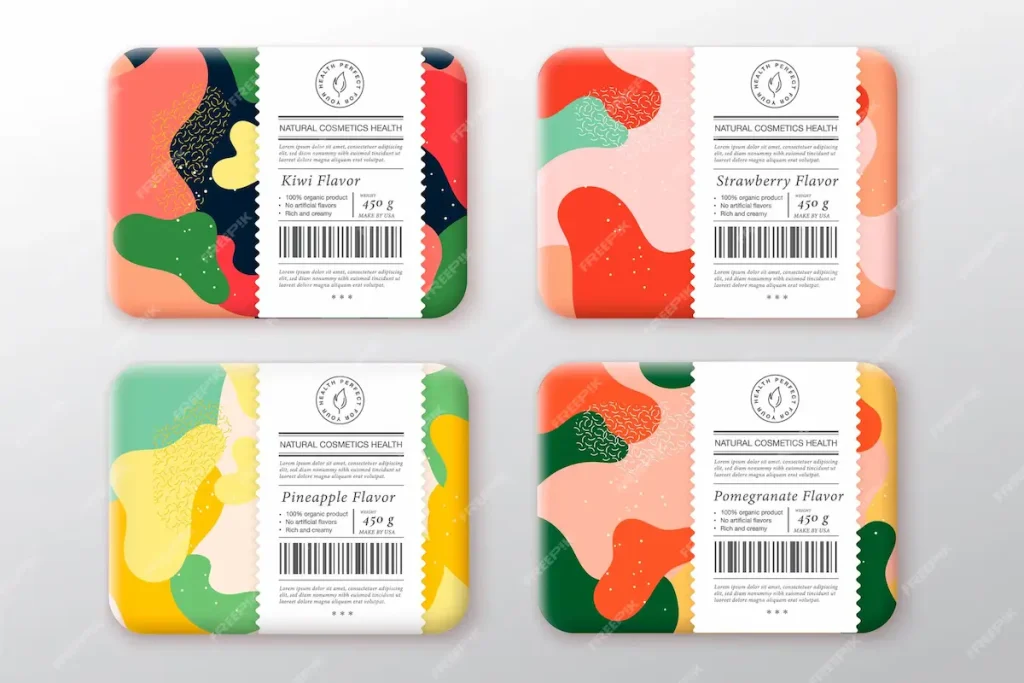
- Branding and Market Differentiation: Packaging also plays a key role in distinguishing a brand’s product in a crowded market. Eye-catching designs, colors, and logos on packaging can attract consumers and create a memorable brand identity. Beyond just a functional aspect, packaging is a powerful marketing tool that can make or break a product’s appeal to customers.
- Supply Chain Integration: Packaging is integral to the entire supply chain, from the moment raw materials are sourced to the final distribution stage. A well-optimized packaging system enables smooth transitions between different stages of the supply chain, minimizing delays, reducing the risk of damage, and ensuring the efficient flow of goods.

Key Considerations for Packaging in Supply Chain Management
Designing packaging for an efficient supply chain involves several key considerations.
These factors not only ensure that the product reaches its destination in good condition but also optimize the supply chain itself.
- Product-Specific Packaging Needs: Different products have different requirements. The type of packaging chosen should be appropriate for the product’s characteristics. For example, fragile items may require cushioned or shock-absorbent packaging, while perishable goods may need temperature-controlled packaging to maintain freshness.
- Logistical Considerations: The packaging design must consider how the product will be transported through various stages of the supply chain. This includes considering factors such as the mode of transportation (air, sea, or land), storage conditions, and handling processes.
- Environmental Conditions: Throughout its journey, the product will pass through different environmental conditions, such as varying temperatures, humidity, and physical handling. Packaging must be durable enough to withstand these conditions without compromising the integrity of the product.
- Marketing and Customer Appeal: Once the product exits the supply chain and reaches retail or the consumer, it must be able to catch the eye of potential customers. Aesthetically pleasing packaging can boost brand recognition and customer loyalty, making it a critical aspect of marketing strategy.

Optimizing Packaging for Supply Chain Efficiency
To achieve the most efficient supply chain, packaging needs to be carefully optimized.
Optimization involves not only considering external factors like marketing but also understanding the dynamics of the supply chain itself.
- Supply Chain Awareness: Packaging design must align with the entire supply chain process. This means understanding the different stages of the supply chain—procurement, material management, manufacturing, order management, and distribution—and tailoring packaging solutions to meet the specific needs of each stage.
- Procurement: Packaging starts with sourcing raw materials. The materials used must be both cost-effective and durable enough for transportation.
- Material Management: Efficient packaging requires the proper management of materials to ensure the right quantities are available at the right time.
- Manufacturing: Once packaging materials are sourced, they must be manufactured and assembled in a way that aligns with production timelines. Efficient packaging reduces production costs and time.
- Order Management: Order management systems must work in sync with packaging to ensure that products are efficiently packed, labeled, and prepared for shipment.
- Distribution: Proper packaging aids in streamlined distribution by ensuring products are easy to handle, store, and deliver.
- Packaging Design and Features: Packaging design must consider ergonomic factors and communication needs. For example, how easy is it to handle and stack the packaging? Does it require special assembly, or can it be assembled quickly with minimal effort? Streamlined packaging can reduce labor costs and enhance operational efficiency.
- Time Efficiency in Packaging: Packaging that requires no glue, or features easy-to-assemble designs, can save time during the manufacturing and distribution processes. Time efficiency not only lowers costs but also contributes to faster product turnaround times.

Packaging Features for Supply Chain Optimization
To truly optimize packaging for supply chains, several key features must be considered:
- Material Selection: The right materials are essential for packaging to perform effectively. Packaging materials need to be strong enough to protect products while also being lightweight to reduce shipping costs. Materials should be chosen based on product needs, environmental conditions, and handling processes throughout the supply chain.
- Packaging Structure: The structure of the packaging should facilitate efficient stacking, storage, and transportation. Packaging that is too bulky or poorly designed can take up excess space, increase handling time, and raise transportation costs. Well-designed packaging maximizes space efficiency, both in storage and transport.
- Labeling and Traceability: Advanced labeling techniques, such as barcodes and RFID tags, have made it easier to track products through the supply chain. These technologies provide real-time data on product location, inventory levels, and handling conditions, improving traceability and reducing the risk of lost or damaged goods.
- Ease of Distribution and Disposal: Packaging should be designed for easy unpacking and disposal. Packaging that can be easily opened and recycled or reused promotes sustainability and reduces waste. Simple-to-handle packaging also enhances efficiency in distribution and logistics.
Sustainable Packaging Practices
Sustainability has become a key concern in modern packaging design.
Companies are under increasing pressure to reduce their environmental impact, and packaging plays a significant role in this effort.
- Minimizing Waste: Sustainable packaging focuses on reducing material waste, whether by using fewer resources or by using recyclable materials. The goal is to create packaging that can be reused, recycled, or biodegraded without leaving a significant environmental footprint.
- Lightweight Packaging: Reducing the weight of packaging not only reduces material costs but also lowers transportation costs. Lighter packaging means less fuel consumption during shipping, which helps reduce overall carbon emissions.
- Eco-Friendly Materials: Using sustainable materials, such as biodegradable plastics, recycled paper, or plant-based materials, is an important step toward creating more sustainable packaging. These materials help reduce the reliance on virgin resources and minimize the impact of packaging on the environment.
- Sustainability in Design: Businesses are now designing packaging with sustainability in mind, considering both the materials used and the lifecycle of the packaging. The aim is to create packaging that is both functional and environmentally responsible.
Conclusion
As the global supply chain becomes increasingly complex, packaging has evolved into an essential element in optimizing operations, ensuring product protection, and supporting sustainability goals.
Packaging not only ensures the safe and efficient transportation of goods but also plays a significant role in brand identity and marketing efforts.
By optimizing packaging design for efficiency, sustainability, and cost-effectiveness, businesses can streamline their supply chains and reduce their environmental footprint.
In an era where both speed and sustainability are key, optimizing packaging for the supply chain is no longer a luxury—it’s a necessity.
To ensure your packaging strategy is aligned with the needs of a modern supply chain, working with an experienced packaging expert can provide invaluable insights and solutions.