Do you ever wonder where your packaging budget really goes?
As a Pakoro expert, I know that your profits hinge on more than just the materials you pick.
Transparent pricing can feel elusive, yet understanding it is the fastest way to control your costs and strengthen your brand.
In this guide you’ll discover the strategic drivers behind flexible packaging prices and learn how to apply them to your business—without sacrificing quality. Let’s dive in!
What Is Flexible Packaging?

Flexible packaging refers to bags, pouches, shrink wraps and films made from pliable materials like plastic film, foil or paper.
Unlike rigid boxes or tubs, flexible formats adapt to the shape of your product and conserve space during shipping.
Many industries—from food and pharmaceuticals to retail—depend on these materials because they are lightweight, protect the contents and allow for creative branding.
As you explore options, remember that the right flexible packaging is about more than looks; it’s a strategic choice that affects your cost structure and brand perception.
Flexible Packaging vs Rigid Packaging: A Cost Perspective

When comparing flexible and rigid formats, flexible packaging typically uses less raw material.
That means it weighs less, takes up less space and delivers lower shipping costs per unit.
Rigid packaging can offer greater protection in certain scenarios, but modern flexible materials now achieve impressive strength and barrier performance.
By switching to flexible solutions, many businesses gain storage and transportation efficiencies without compromising product integrity.
Have you calculated how much space you could save by changing packaging formats?
10 Key Factors That Affect Flexible Packaging Costs

Understanding the cost drivers behind flexible packaging empowers you to make smarter choices. Here are the ten most influential factors you should evaluate:
1. Material Type and Grade
The base material is often the largest contributor to cost. Standard films like polyethylene, polypropylene or PET vary widely in price and performance. Premium barrier materials that resist moisture, oxygen or UV light command higher prices. Selecting the right grade depends on your product’s needs and compliance requirements.

2. Layering and Barrier Structures
Single‑layer films work for dry goods, but products that need extended shelf life often require multi‑layer laminates. Each added layer and specialty coating increases cost. Ask yourself whether you truly need a high‑barrier structure or if a simpler material could meet your performance goals.
3. Custom Sizes and Formats
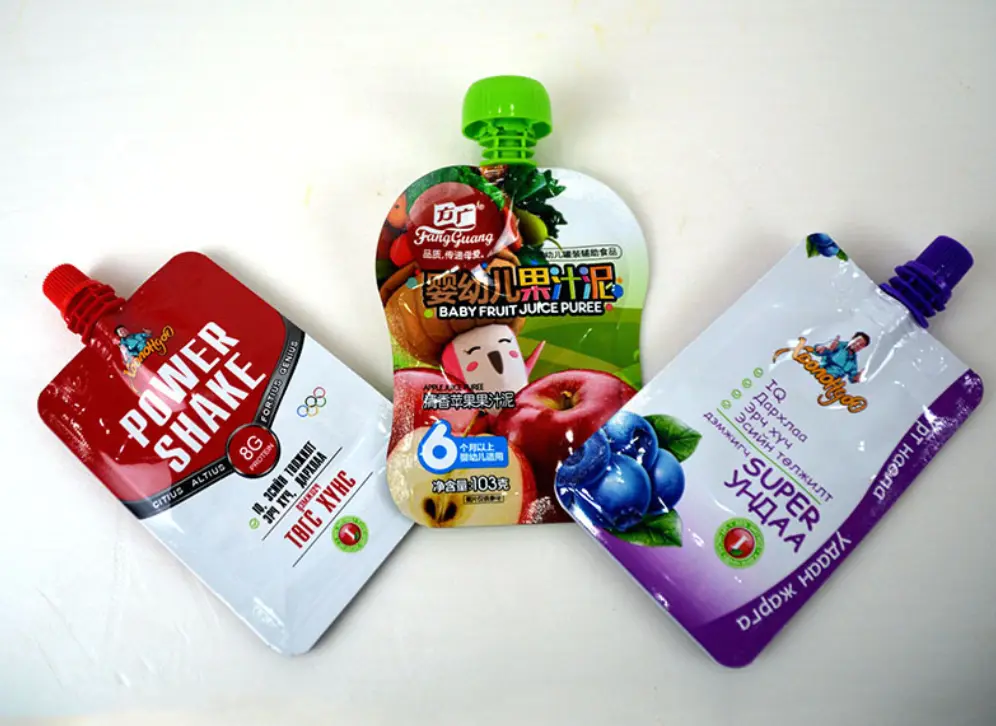
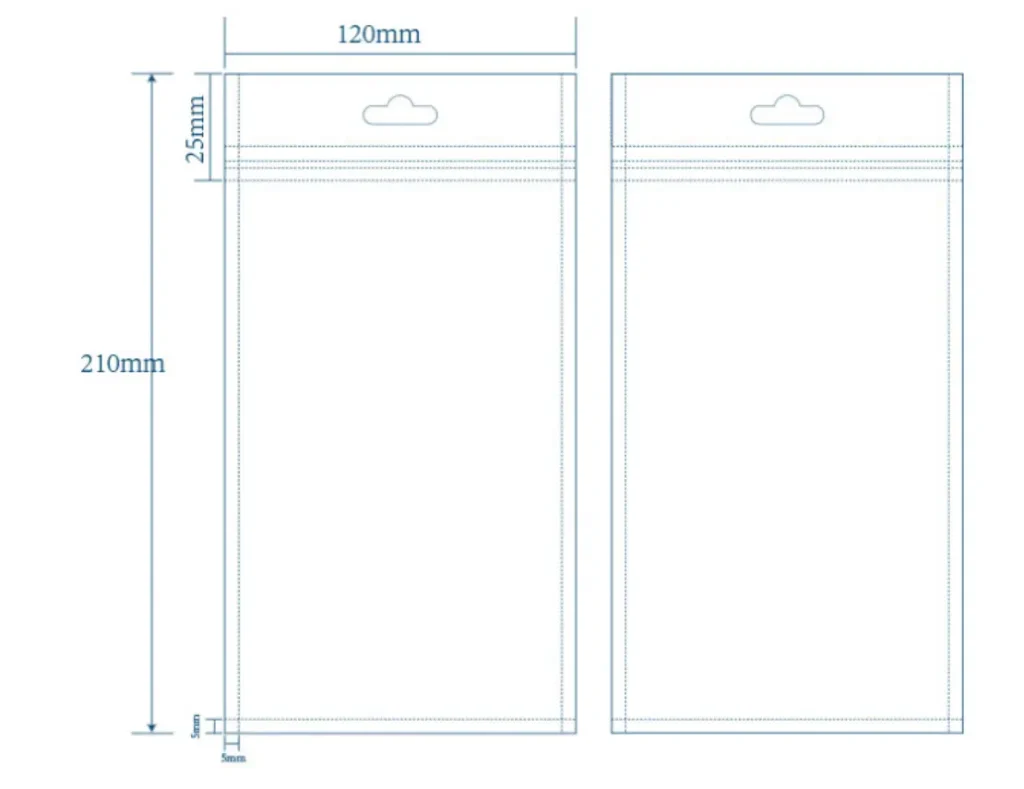
Custom dimensions optimize product fit but use more film. Choosing between stand‑up pouches, pillow bags or gusseted formats also affects production efficiency. Add‑on features like zippers and spouts enhance user experience but add cost. Think carefully about which features your customers truly value.
4. Printing Method and Design Complexity
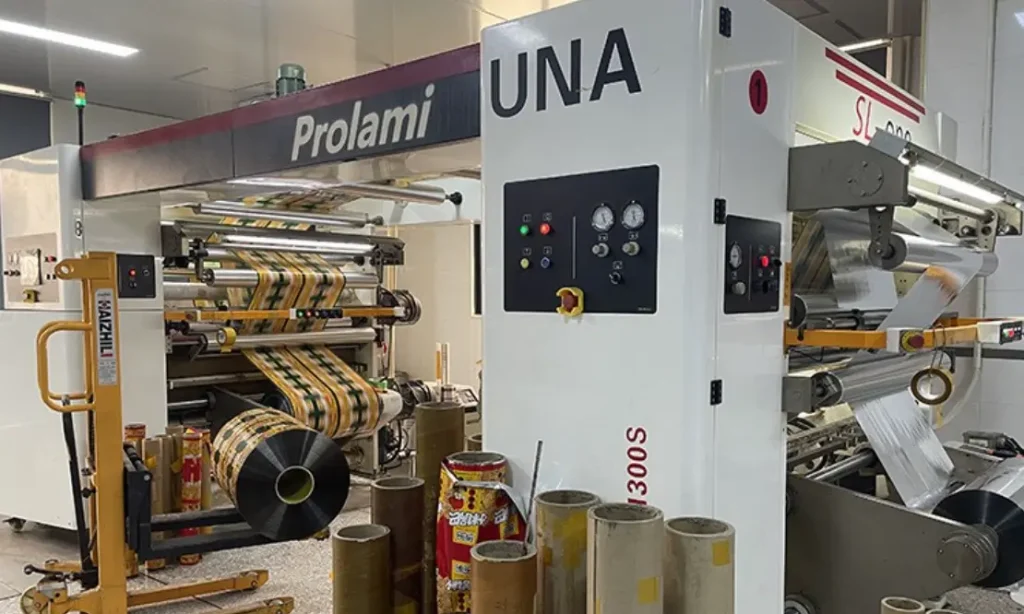
Flexographic printing is economical for high volumes but requires expensive setup plates. Digital printing costs more per unit yet supports short runs and custom designs. Gravure printing delivers premium quality but only pays off at massive scales. More colors, gradients and intricate graphics also drive up ink usage and time. Simplicity in design can cut expenses without diluting your brand.
5. Finishes and Coatings
Matte, glossy and soft‑touch finishes each convey a different brand feel. Special effects like spot UV, metallic inks or embossing add shelf appeal but increase production costs. Functionality enhancements such as anti‑fog or heat‑resistant coatings also raise the price. Consider finishes that align with both your aesthetic and performance goals.
6. Order Volume and MOQ
Higher order volumes reduce per‑unit pricing because setup and calibration costs are spread over more units. Most suppliers set minimum order quantities (MOQs) to ensure efficient production. Align your packaging runs with sales forecasts to avoid the higher costs associated with small, frequent orders.
7. Lead Times and Delivery Speed
Rush production and expedited shipping come with surcharges. Complex designs and specialty films may extend lead times to four or eight weeks. Domestic suppliers usually offer shorter delivery windows, whereas overseas partners often trade lower unit prices for longer transit times. Building lead time into your schedule helps you avoid costly rush fees.
8. Manufacturing Origin
Choosing between domestic and overseas manufacturing impacts labor costs, freight, import duties and risk. Domestic suppliers provide transparency and shorter lead times, while overseas production often lowers unit prices but increases logistical complexity. Assess your supply chain priorities—speed, quality control, or cost savings—to decide which path serves you best.
9. Compliance and Certifications
Regulatory requirements for food, pharma and sustainable packaging can influence material choices and testing expenses. FDA approval, ISO certification or eco‑labels may necessitate cleanroom production, specialized inks or audits. Early planning with your supplier reduces rework and ensures you meet all standards without overspending.
10. Freight, Packaging and Shipping Logistics
The way you pack and ship flexible packaging can erode or enhance your savings. Bulk rolls or flat stacks are cheaper to ship than individual cartons. Dimensional weight, fuel surcharges and pallet configuration also affect freight costs. Efficient warehousing and drop shipping require coordination but reduce handling steps. Optimizing logistics is just as important as selecting the right material.
How to Reduce Flexible Packaging Costs Without Compromising Quality
Smart planning can cut expenses while keeping your packaging attractive and protective. Here are proven strategies:
- Design for cost‑efficiency: Simplify your structure by reducing layers, using fewer print colors and avoiding unnecessary finishes.
- Build long‑term vendor relationships: A trusted supplier can offer volume discounts, better payment terms and insights into material substitutions.
- Strategically plan volume and reorders: Align packaging orders with your sales cycles and consolidate across SKUs to hit lower unit prices.
Remember that cost‑cutting doesn’t mean cutting corners; it means aligning every packaging decision with your product’s needs and your customer’s expectations.
FAQs About Flexible Packaging Pricing
What’s the most expensive part of custom packaging? Setup costs such as tooling, printing plates and design customization often dominate. On very large runs, material cost may become the larger factor.
How can startups reduce custom packaging costs? Use standard sizes, limit print complexity and order moderate volumes. Digital printing allows small runs without expensive plates.
Does printing fewer colors reduce cost? Yes. In flexographic or gravure printing, fewer colors mean fewer plates and faster setup. Even in digital printing, simpler designs consume less ink and speed up production.
If you have other questions, feel free to reach out—we love helping clients find the perfect balance between cost and quality.
Conclusion
By now you’ve learned that flexible packaging costs aren’t mysterious; they’re determined by material choices, design decisions, volume planning and logistics. Each factor is a lever you can pull to maximize both profitability and brand impact. As a Pakoro partner, I’m committed to guiding you through these choices so you can focus on what you do best: delighting customers.
Ready to explore flexible solutions tailored to your product? Contact the Pakoro team today. We will analyze your needs, provide free samples, and deliver packaging solutions that fit your budget and vision. Let’s work together to protect your products and create new profits.