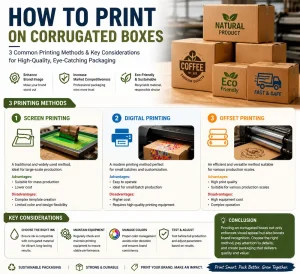
As someone who lives and breathes packaging, you know that great print makes your brand memorable. Choosing the right printing method can transform your boxes, labels and promotional materials. The wrong choice can waste money and degrade your image. This guide gives you the answers you need. By the end, you’ll understand the different print methods and how to select the best one for your next packaging project.
Physical vs. Digital Printing: What’s the Difference?
There are two broad categories of printing: physical and digital. Traditional physical printing techniques use a plate or a stencil to transfer ink onto a surface. These methods often involve pressing a metal or wooden plate onto paper, similar to the original printing presses of history. Modern digital printing sends your artwork directly to a printer without a plate, which means faster setup and lower costs for short runs.
Understanding this distinction helps you decide when to invest in traditional methods—ideal for high‑volume jobs—and when to choose digital methods for flexibility and quick changes.
1. Inkjet Printing: Vibrant and Precise
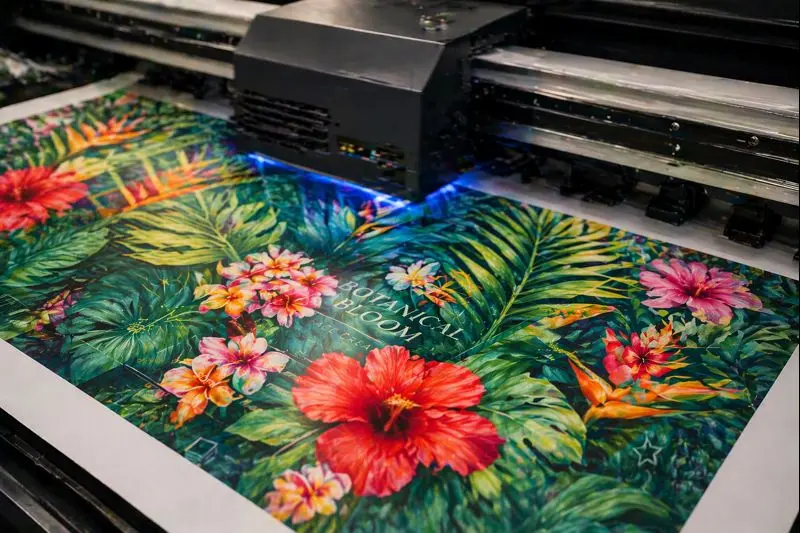
Think of inkjet printing as an artist at work. The printer sprays tiny droplets of ink onto paper or packaging, creating rich, colourful images. Inkjet printers excel at high‑quality photo prints and documents where colour accuracy matters.
- Advantages: Excellent colour reproduction and smooth gradients; relatively affordable printers.
- Disadvantages: Ink cartridges can be expensive and the print speed is slower than other methods.
Use it when you need detailed imagery on small batches of packaging inserts or marketing materials.
2. Laser Printing: Speed and Clarity
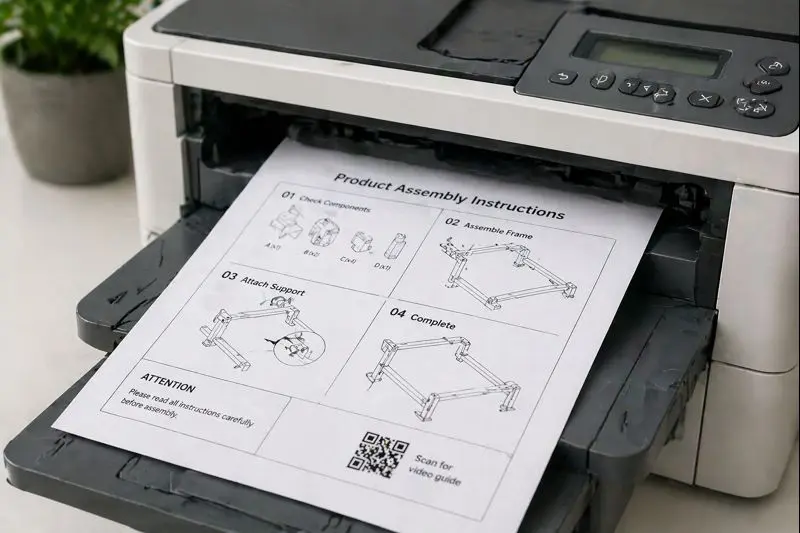
Laser printers use a light beam to draw an image onto a drum, then fuse powdered toner onto the paper. This process is quick and efficient, making it perfect for office documents and reports.
- Advantages: Rapid output with crisp text; lower cost per page.
- Disadvantages: Limited colour reproduction and higher upfront cost compared to inkjet printers.
If you produce instruction sheets or monochrome labels, laser printing can save time and money.
3. LED UV Printing: Instant Drying and Vibrant Colours
LED UV printers cure ink with ultraviolet light as it’s applied. This means your prints dry instantly and can adhere to many materials—from plastic to wood. The vivid colours and ability to add tactile embossing make this method ideal for premium marketing materials.
- Advantages: Fast turnaround, high‑resolution results and energy efficiency.
- Disadvantages: The equipment is pricey and items printed for food or drink may not be dishwasher‑safe.
For eye‑catching packaging sleeves or luxury invitations, LED UV printing delivers a high‑end look.
4. Sublimation Printing: Infusing Colour Into Fabric
Sublimation printing uses heat to turn ink into gas, which is absorbed by fabric and solidifies. The result is a permanent, vibrant image that won’t peel or fade.
- Advantages: Durable, vivid colours with minimal waste.
- Disadvantages: Limited to polyester or polymer‑coated materials; there’s no white ink, so it only works on light‑coloured fabrics.
Use sublimation for custom tote bags, pillows and clothing when you want the design to become part of the fabric.
5. Screen Printing: Bold Colours for Fabric and More
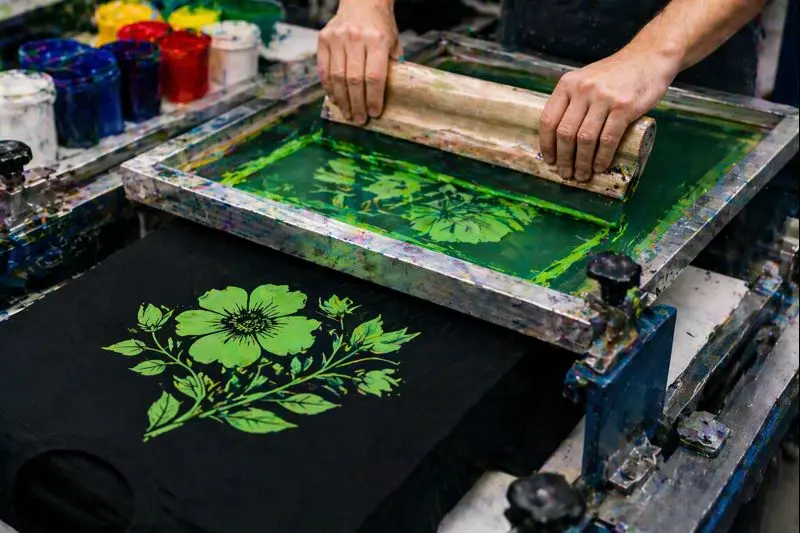
Screen printing pushes ink through a mesh screen onto your material. Each colour requires its own stencil, so this method excels with simple, bold designs. It works on fabrics, posters and banners.
- Advantages: Cost‑effective for large runs and dark materials; creates durable, vibrant prints.
- Disadvantages: Time‑consuming setup; not ideal for complex multi‑colour designs.
If your brand is printing hundreds of T‑shirts or tote bags, screen printing offers consistency and value.
6. Offset Lithography: High‑Volume Quality

Offset lithography transfers images from metal plates onto rubber rollers and then onto paper. Newspapers and magazines rely on this method because the cost per copy drops dramatically with large quantities.
- Advantages: Consistent, high‑quality prints that can handle rough surfaces like canvas.
- Disadvantages: Lengthy setup and higher costs for small runs.
Choose offset printing when producing thousands of booklets, catalogues or large batches of packaging inserts.
7. Letterpress Printing: Vintage Charm
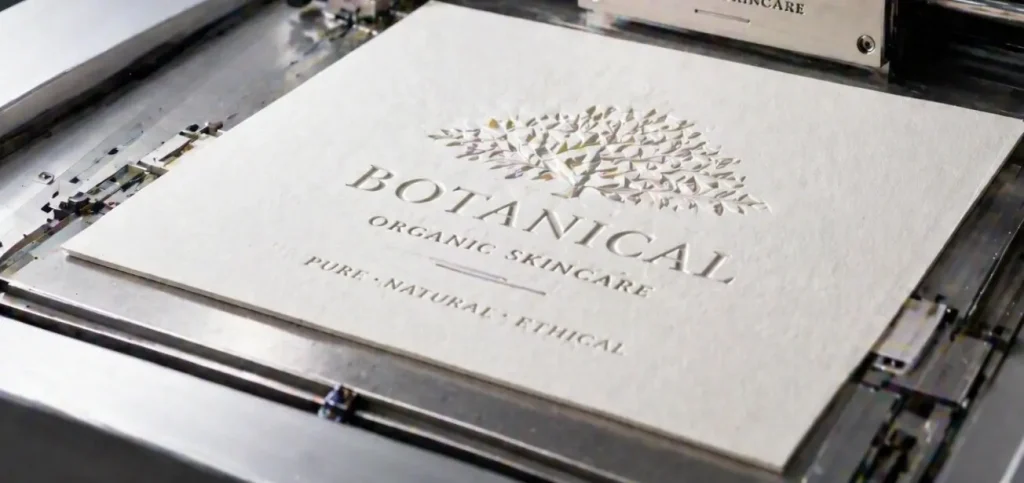
Letterpress involves pressing raised text and images into paper, leaving a tactile impression. Once common for newspapers, this method is now prized for its artisanal feel.
- Advantages: Creates a luxurious, tactile experience that enhances business cards and invitations.
- Disadvantages: Labour‑intensive setup and higher cost when multiple colours are needed.
Use letterpress printing to give your brand stationery or wedding invitations a timeless, handcrafted touch.
8. Flexographic Printing: Perfect for Packaging

Flexography is the modern descendant of letterpress. It uses flexible plates wrapped around rotating cylinders to print on uneven surfaces. This makes it perfect for labels, packaging, gift wrap and napkins.
- Advantages: Efficient mass production on various materials and textures.
- Disadvantages: Long setup times; not cost‑effective for small orders.
For large quantities of packaging and labels, flexography provides speed and consistent quality.
9. 3D Printing: Prototypes and Custom Items
3D printing builds objects layer by layer from a digital file. You can create product prototypes, customized phone cases or models for architecture.
- Advantages: Ideal for rapid prototyping with minimal waste.
- Disadvantages: Time‑consuming for large items and not suited for mass production.
Use 3D printing when testing packaging concepts or producing unique promotional items in small quantities.
10. Large‑Format Printing: Go Big or Go Home
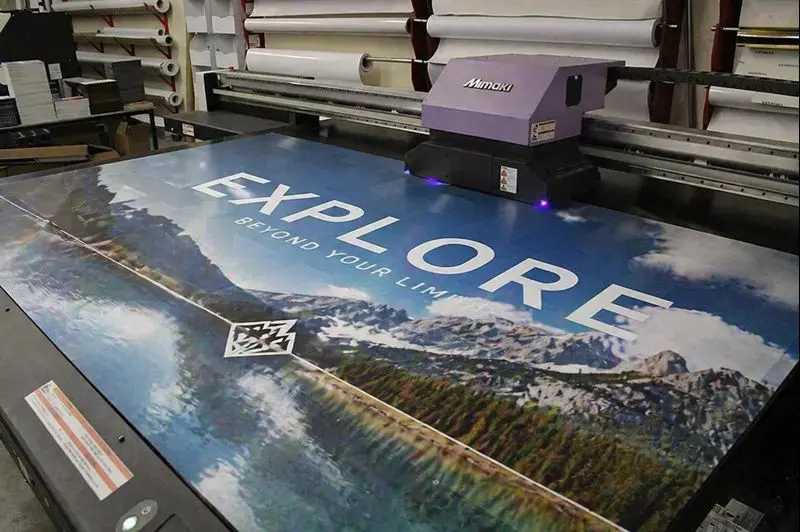
Large‑format printing uses rolls of material to produce oversized prints like billboards and building wraps. This method replicates the process of a home printer but on a massive scale.
- Advantages: Ideal for eye‑catching outdoor advertising; prints quickly on durable materials.
- Disadvantages: Requires specialized equipment and precision to avoid costly errors.
If you want your brand to dominate the skyline, large‑format printing turns walls and vehicles into advertising canvas.
11. Rotogravure Printing: High‑End Detail
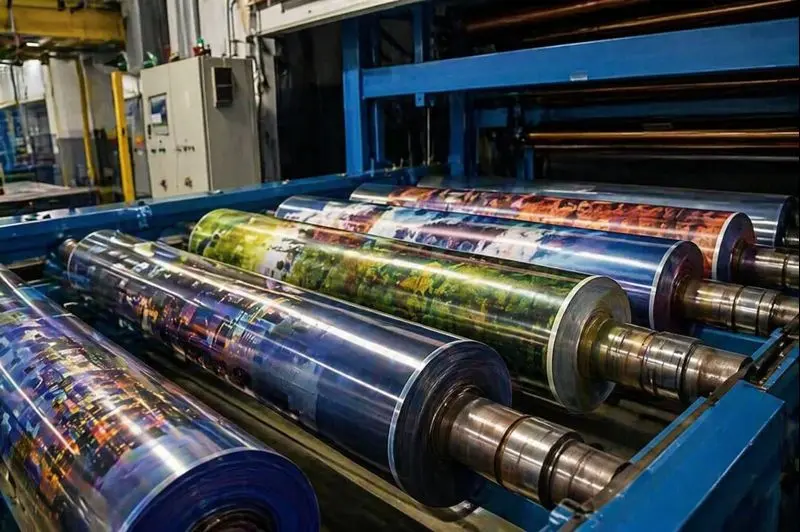
Rotogravure printing uses engraved cylinders with tiny cells to transfer ink. This method produces remarkable detail and consistent colour, making it popular for magazines, packaging and decorative prints.
- Advantages: Delivers rich colours and fine detail across large volumes.
- Disadvantages: High setup costs and longer preparation times.
Consider rotogravure for premium packaging or high‑volume marketing materials where detail matters.
12. Engraving: Timeless Elegance
Engraving involves cutting designs into a metal plate, inking it and pressing it onto paper. Modern laser engraving expands the technique to items like pens and metal business card holders.
- Advantages: Creates intricate, durable designs and is perfect for personalized gifts.
- Disadvantages: Time‑consuming and challenging to maintain consistency on large jobs.
When your brand needs to offer high‑end, personalized products, engraving adds exclusivity and prestige.
Choosing the Right Printing Method for Your Packaging
With so many printing options, it’s easy to feel overwhelmed. Remember to consider your budget, the material you’re printing on, the desired quantity and the level of quality. For packaging, flexographic and rotogravure printing are ideal for large quantities of labels and boxes because they handle different textures with ease. Screen printing excels with fabric packaging in bulk, while 3D printing is perfect for prototypes or bespoke items. Digital methods like inkjet and laser printing work best for short runs with quick changes.
Final Thoughts and Next Steps
Printing is more than a production step—it’s a chance to tell your story. Whether you’re creating limited‑edition gift boxes or bold billboards, choosing the right printing method enhances your message and elevates your brand.
As a packaging expert at Pakoro, I’m here to help you select the best printing solution for your project. Ready to start your next packaging venture? Contact Pakoro today at +886‑2‑1234‑5678 or email us at contact@pakoro.com for personalized guidance and a free consultation. Let’s make sure your packaging not only protects your products but also captures attention.