As a packaging professional at Pakoro, I know how many questions arise when you’re trying to choose the right packaging.
You want your products to look great, stay safe and ship well.
This guide takes you by the hand and shows you everything you need to know about blister packaging. Let’s dive in!
What Is Blister Packaging?
Blister packaging combines a clear, thermoformed plastic cavity and a backing layer.
The plastic is heat-formed into a pocket to hold each item, and the back layer is often paperboard, plastic film or aluminium foil.
The two layers seal together to protect the product and display it clearly.
Think about when you buy tablets, batteries or a USB drive.
The transparent dome protects the item while letting you see it.
The backing often carries branding and product information.
The result is a neat, tamper‑evident package that’s great for retail shelves.
Where Do You See Blister Packaging?
Blister packs appear in more places than you might imagine.
The most common use is pharmaceutical unit-dose packaging for tablets and capsules, which ensures each dose stays clean and accurate.
You’ll also find them protecting:
- Electronic accessories such as USB cables and earphones.
- Small hardware like screws, batteries and hand tools.
- Personal care and household goods like toothbrushes and razors.
- Some food items such as gum and candy.
Retailers love blister packs because they hang easily on hooks, discourage theft and let customers see exactly what they’re buying.
Materials and Barrier Properties

The clear pocket is usually made from PVC (polyvinyl chloride) with a thickness around 0.25–0.30 mm.
When moisture or oxygen protection matters, manufacturers coat PVC with PVDC (polyvinylidene chloride) or use PCTFE (polychlorotrifluoroethylene) film.
These materials provide stronger barriers to keep drugs stable and food fresh.
For very deep or complex cavities, advanced materials like COC/COP (cyclic olefin copolymer) improve formability.
The backing layer also affects protection.
Aluminium foil offers a complete barrier against light, moisture and gas.
Paperboard backers are cheaper and great for retail display, but they’re less airtight.
If you need a cold‑forming process for sensitive drugs, aluminium‑based laminates combined with polyamide (PA) provide an excellent barrier and create a more rigid pocket.
Physical and Functional Advantages
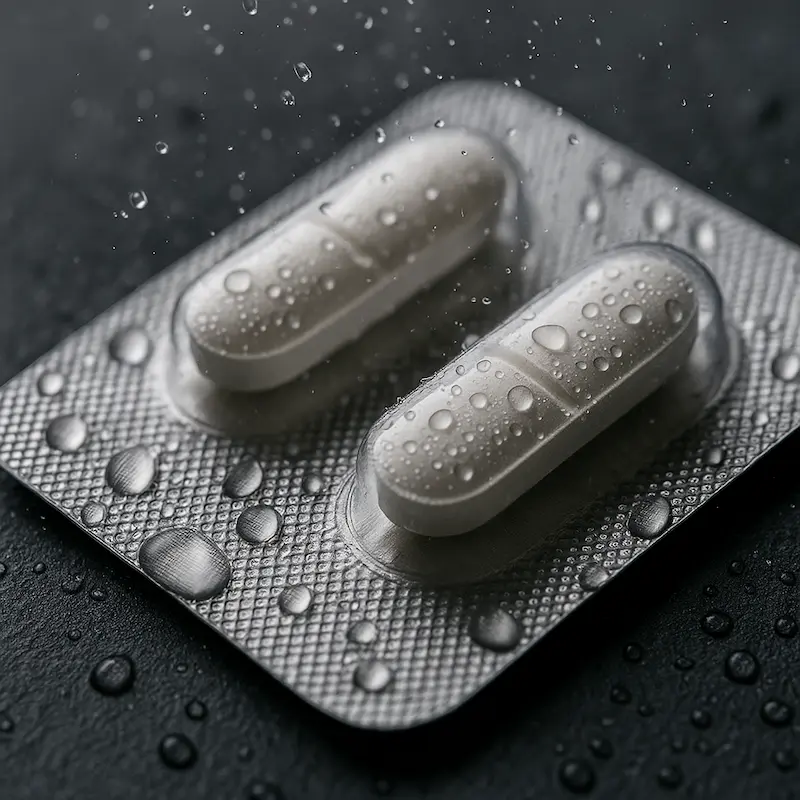
Blister packaging is popular because it delivers several functional benefits:
- Moisture and oxygen barrier: Coated films and foils keep humidity and oxygen away, protecting sensitive items like medicines and electronics.
- Light and UV protection: Some films block harmful UV rays to prevent colour fading and degradation.
- Tamper evidence: Sealed cavities and perforated blisters reveal if the package has been opened.
- Impact and scratch resistance: The rigid dome cushions the product and protects it from drops and bumps.
- Easy display: The clear front shows off the product and invites shoppers to engage.
All these features come together to give you confidence that your goods will reach the end user intact and appealing.
Common Blister Structures

Blister packs aren’t all created equal. Here are the main structures you’ll encounter:
- Thermoformed tray: A simple plastic tray sealed onto a backing card. Good for pills and small parts.
- Face‑seal blister: The plastic cavity is sealed to the card just around the edges. It’s common for low‑cost retail items.
- Full‑face blister: The cavity covers the entire card front, giving extra strength and tamper resistance.
- Trapped blister: The plastic pocket is trapped between two cards. This reduces plastic use and increases security.
- Full‑card blister: The cavity wraps around the entire card, including the edges. It provides strong sealing for heavier items.
- Clamshell: Hinged plastic shells that fold over the product and snap shut. There are two‑piece and tri‑fold designs, often used for higher‑value goods.
- Skin pack: The product itself acts as the mould. A thin film drapes over it and seals onto a board under vacuum, making a tight skin around the item.
Choosing the right structure affects not only appearance but also cost, security and user experience.
Advantages vs. Disadvantages

Like every packaging solution, blister packs have strengths and weaknesses. Understanding both will help you make informed choices.
Advantages
- Low cost per unit: Once the mould and sealing equipment are in place, blister packs are economical.
- Great product visibility: Clear plastic allows customers to see the item, boosting confidence and sales.
- Tamper resistance: Sealed blisters discourage theft and ensure products are untouched.
- Barrier protection: Moisture, gas and light barriers keep products stable and safe.
Disadvantages
- Sealing equipment required: Blister packs need special thermoforming and heat‑sealing machinery, which may be costly at first.
- Difficult to open: Poorly designed packs can cause “wrap rage,” leading to frustration and even injury.
- Recycling challenges: Mixed materials (plastic and foil) are harder to recycle. Choosing mono‑material designs helps.
- Performance depends on the backing: The protective qualities are only as good as the material chosen for the back layer.
At Pakoro, we work with clients to balance these factors and find the best fit.
How to Choose the Right Blister Pack
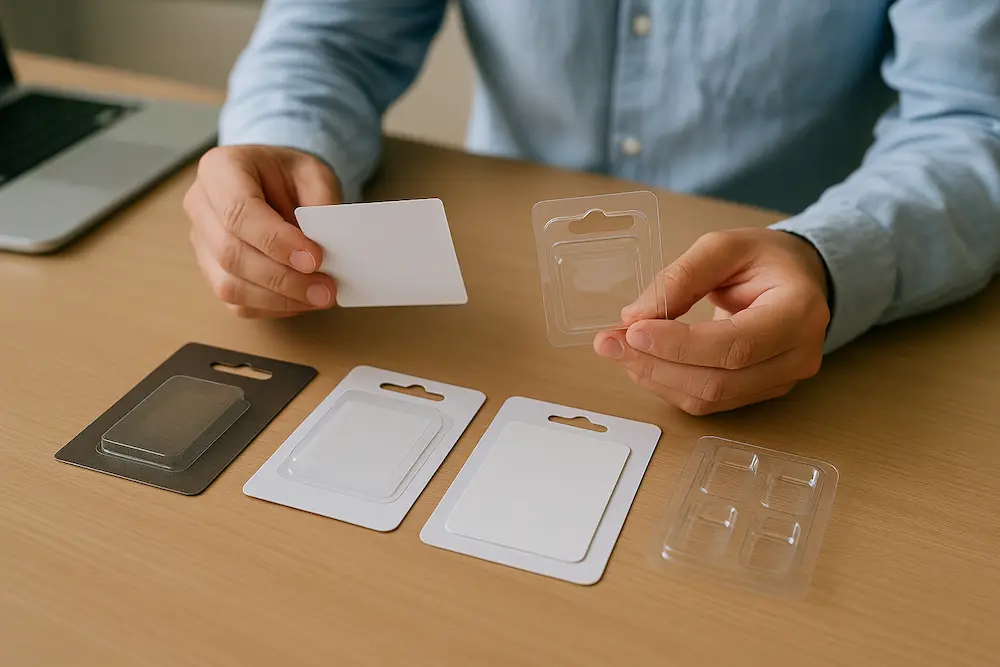
When you’re selecting blister packaging, consider these key questions:
- How sensitive is your product?
If it’s sensitive to moisture, oxygen or light, choose materials like PVDC‑coated PVC, PCTFE or aluminium laminates. - How will it be displayed and sold?
For hanging displays, face‑seal or full‑face blisters work well. For heavy items or those prone to tampering, clamshells or trapped blisters offer more security. - What is your budget?
Simple face‑seal packs are cost‑effective. More complex structures and materials increase cost but may be necessary for protection. - What is the transportation and storage environment?
If the package needs to withstand long shipping journeys or rough handling, choose robust materials and deeper cavities. - Are there sustainability goals?
Ask if you can use recyclable plastics or reduce material thickness without compromising protection. Some regions require certain recycling labels.
If you’re unsure, talk to an expert. Pakoro offers free consultations to help you choose the perfect pack for your product range.
Real‑World Examples
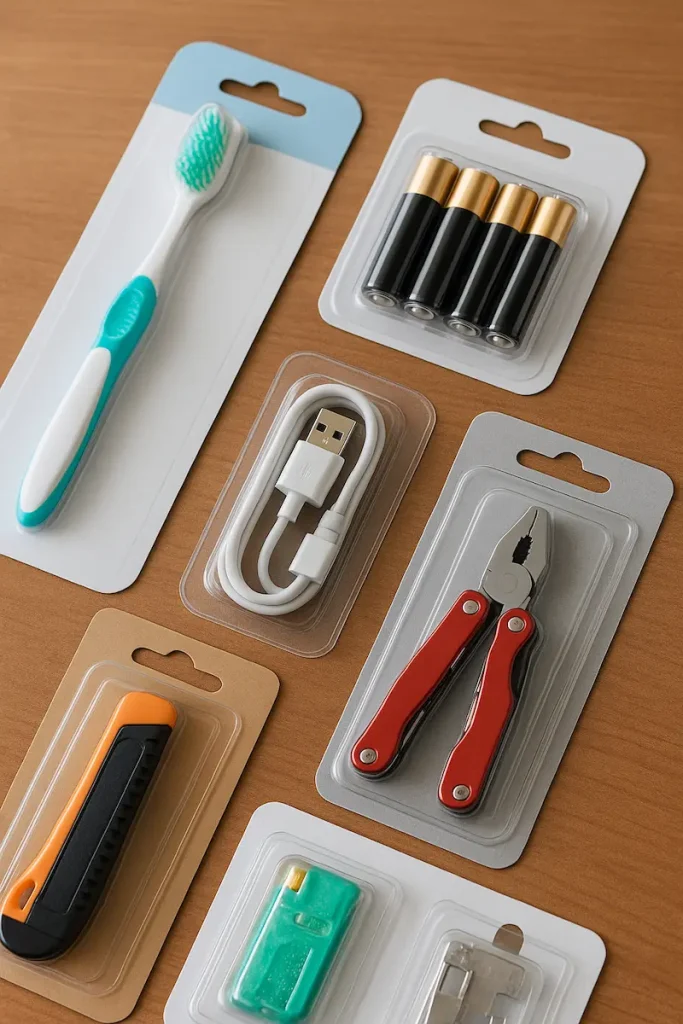
Different industries adapt blister packaging for their unique needs:
- Pharmaceuticals: Unit-dose packs for tablets and capsules provide dosage control and child resistance. Cold‑form foil blisters protect moisture‑sensitive drugs.
- Consumer electronics: USB cables, earphones and batteries use face‑seal or clamshell blisters to deter theft and show off the product.
- DIY and hardware: Screws, razor blades and small tools benefit from trapped blisters and clamshells that withstand heavy display and transport.
- Personal care: Toothbrushes, razors and makeup accessories often use full‑face blisters for clarity and hygiene.
- Food and confectionery: Gum, mints and candy sometimes use blister packs to keep portions separate and fresh.
Seeing these examples makes it easier to visualise how your own products could benefit from blister packaging.
Frequently Asked Questions
What’s the difference between blister and clamshell packaging?
A blister pack uses a plastic cavity sealed onto a backing card or foil. A clamshell is a hinged plastic shell that encloses the product entirely and snaps shut. Clamshells provide more security and can be resealed, while blisters use less plastic.
When should I choose cold‑form rather than thermoform?
Cold‑forming uses aluminium laminates that are pressed into shape at room temperature, providing an unbeatable moisture and oxygen barrier. Choose it for highly sensitive drugs. Thermoforming uses heat to shape plastic and suits most non‑sensitive items.
How do I choose a backing material?
Paperboard is affordable and printable but less airtight. Foil offers full barrier protection. Plastic backers (e.g., PET) are clear and tough but may need coatings for moisture barrier. Balance product protection with cost and sustainability.
Blister packaging offers versatility, protection and retail appeal. Now you know its materials, structures and selection criteria, you’re better equipped to make the right choice. Still have questions or ready to start a project? Contact Pakoro today via Melody@pakoro.com. We’re here to help you create packaging that protects your products and delights your customers.