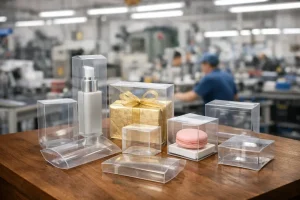
Clamshell Packaging: Your Essential Quick Guide
Below is a concise table to help you quickly choose the right clamshell packaging solution. You’ll find key materials, common uses, and disposal options—all at a glance.
| Type | Material | Common Use | Disposal |
|---|---|---|---|
| Thermoform Clamshell Packaging | PVC, RPET, PETG | Retail (Hardware, Food, General Merchandise) | Recyclable, sealable for tamper-evidence |
| Plastic Clamshell Packaging | PET Plastic | Food (Sandwiches, Salads, Desserts) | Recyclable if thoroughly cleaned |
| Paperboard Clamshell Packaging | Paperboard (sometimes waxed) | Hot food, egg cartons, various takeout items | Compostable or recyclable if unsoiled |
| Plant Fiber Clamshell Packaging | Wheat straw, other grains | Hot & cold food, takeout containers | Industrial composting facility (ASTM D-6400) |
| Sugarcane Clamshell Packaging | Bagasse (sugarcane waste) | Hot & cold food, takeout items | Home or industrial composting facility (if allowed) |
| Styrofoam Clamshell Packaging | Polystyrene foam | Hot & cold food, wide range of takeout items | Mostly non-recyclable, environmentally unfriendly |
Discover the Right Clamshell Packaging for Your Products
Have you ever felt overwhelmed while sorting through countless carded packaging options? You’re not alone. In fact, many businesses just like yours stumble upon clamshell packaging and wonder which version truly fits their products. As a packaging expert, I’m here to guide you. I’ll show you exactly which container matches your goals, your budget, and—of course—your customers’ expectations.
1. Thermoform Clamshell Packaging
Thermoform clamshell packaging is an extremely versatile option. You can customize it to fit the exact shape of your product. You also benefit from strong tamper-evidence. Moreover, thermoforming utilizes CAD/CAM design and 3D printing, which means you get high-quality results with a fast turnaround. If you need a powerful mix of protection and branding, thermoform clamshell packaging is your go-to.

Why It Works for You:
- Perfect for light or heavy items
- Multiple cavity configurations and die cuts
- Great for retail environments that demand product visibility
2. Plastic Clamshell Packaging
Are you selling salads, sandwiches, or desserts? Then plastic clamshell packaging might be your solution. Made typically from PET plastic, these containers are fully recyclable when rinsed thoroughly. Because of their clarity, customers can see everything inside. However, be mindful of cleaning before recycling to ensure it actually goes through the recycling stream.

Key Benefits:
- Cost-effective
- Clear visibility for food packaging
- Seals securely to preserve freshness
3. Paperboard Clamshell Packaging
Looking for a simple, possibly compostable choice? Paperboard clamshell packaging might check all your boxes. It has a sturdy feel and keeps hot foods insulated. But keep in mind, if sauce or grease stains the paperboard, its recyclability may be compromised. Still, many paperboard options remain popular for takeout and egg packaging.

Advantages:
- Lightweight and biodegradable (if free of contamination)
- Often made from recycled materials
- Customers appreciate its eco-friendly appearance
4. Plant Fiber Clamshell Packaging
If you want an environmentally friendly container that handles both hot and cold foods, plant fiber clamshell packaging fits the bill. Often derived from wheat straw or other grains, it resists liquids and offers a sturdy design. Moreover, many of these containers are certified for composting in an industrial composting facility.

Reasons to Pick Plant Fiber:
- Strong, soak-proof construction
- Simple disposal through industrial composting
- Ideal for businesses that focus on sustainability
5. Sugarcane Clamshell Packaging
If you prefer a packaging that looks similar to foam but is completely plant-based, sugarcane clamshell packaging might be just what you need. Made from bagasse, these containers excel at hot and cold food applications. They do require proper composting conditions, though, so confirm your local guidelines.

Sugarcane Highlights:
- Made from a byproduct of sugarcane
- Decomposes faster than foam under the right conditions
- Maintains a neat, polished look for food packaging
6. Styrofoam Clamshell Packaging
Finally, you have styrofoam clamshell packaging, which has been on the market for decades. It’s cheap and insulates hot foods well. However, environmental concerns mean these containers may not align with more eco-conscious customers. If sustainability is a core value for your brand, you might want to consider other options.
Styrofoam Points:
- Inexpensive to produce
- Lightweight, good for heat retention
- Difficult to recycle, raising environmental questions
Choosing Your Ideal Clamshell Packaging
When you’re deciding which clamshell packaging to choose, think about your product, budget, and brand image. Additionally, consider how your customers will dispose of the container. If you cater to eco-minded consumers, plant fiber clamshell packaging or sugarcane clamshell packaging could be best. Conversely, if you prioritize a fully sealed design, thermoform clamshell packaging is probably your match.
Remember to check local recycling or composting regulations. This ensures you’re matching your operations to an environmentally friendly path while boosting customer satisfaction.
Explore Other Carded Packaging Options
Curious about other carded packaging solutions, such as blister packaging or skin packaging? You’re not alone. These alternatives can also streamline product visibility, theft prevention, and branding. You might want to explore these options if you’re looking for something that better suits non-food items or specialized retail scenarios.