


Choosing the right binding for a children’s book can feel overwhelming. Should you go with a durable board book, a classy hardcover, or a lightweight softcover? This guide helps you evaluate the pros and cons so you can pick the format that matches your child’s age, your budget and the purpose of the book. Read on to discover what each binding offers and when it makes the most sense.
What Is a Board Book?
Board books are designed specifically for babies and toddlers. Each page is made by gluing two sheets of thick cardboard together, then attaching a self‑cover or hardcover. Because the pages are thick and sturdy, board books can withstand chewing, tearing and endless re‑reads. They’re usually aimed at children aged 0–4 years.
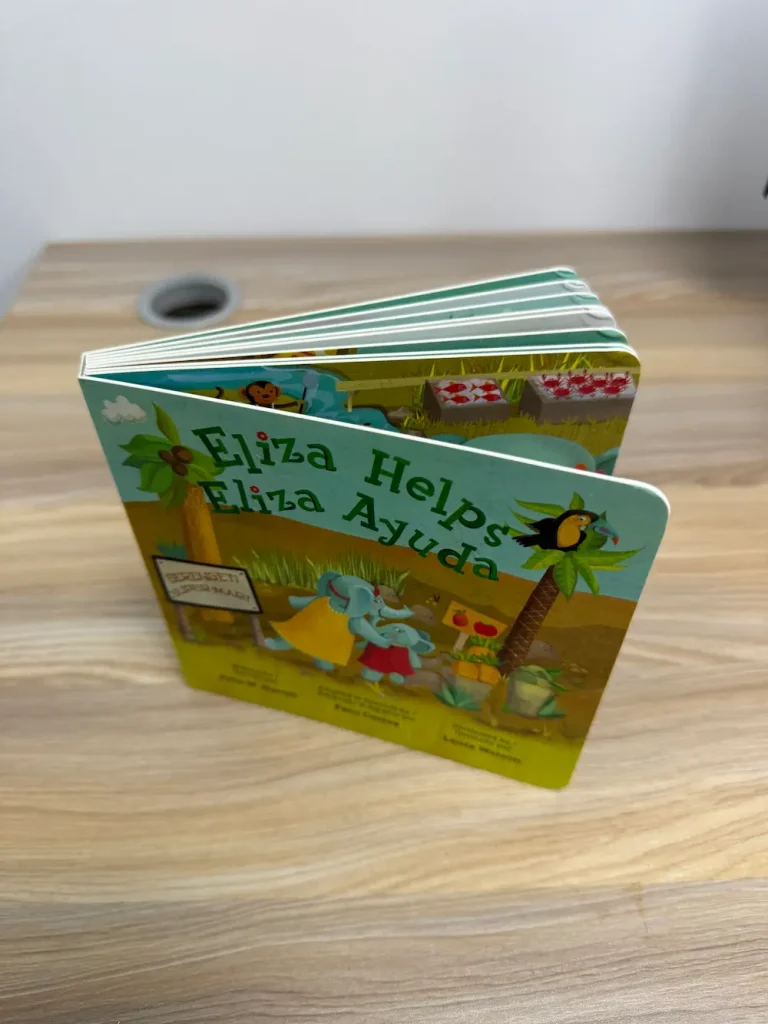
You’ll notice board books feel different from regular kids’ books; they’re heavier, use bright colours and often feature interactive elements like textures or flaps. These features aren’t just cute – they help develop motor skills and keep your little one engaged. Many board books also have rounded corners to protect small hands.
What Is a Hardcover?
Hardcover books – also called case‑bound, hardback or hardbound books – are sewn together and then glued onto a rigid cover. The protective cover can be made of cloth, PU leather or special paper, giving the book a premium feel. This construction makes hardcovers more durable and long‑lasting.
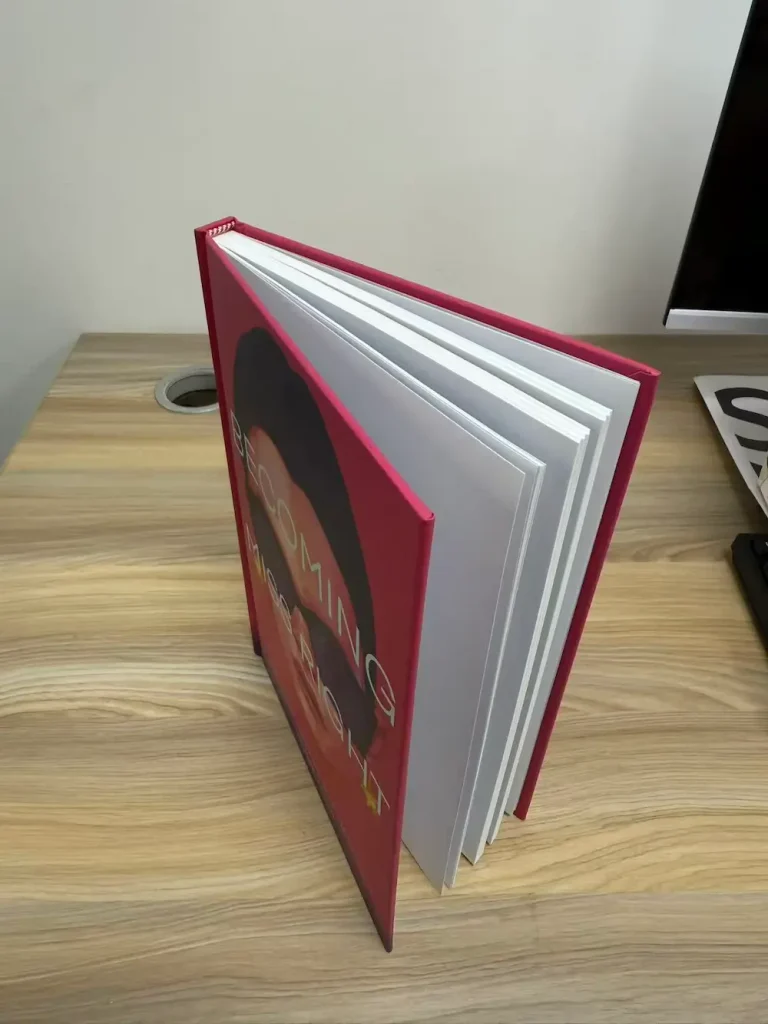
If you love books that look great on a shelf or coffee table, hardcover is the way to go. The sturdy cover and higher‑quality paper support beautiful finishing touches like foil stamping and embossing. Collectors often choose hardcovers for their visual appeal and because the strong binding can handle hundreds of reads.
What Is a Softcover?
Softcover books – sometimes called paperbacks or perfect‑bound books – are made by gluing (or sewing, then gluing) the inner pages into a flexible paper cover. This type of binding is cost‑effective and widely used for fiction, textbooks and magazines.
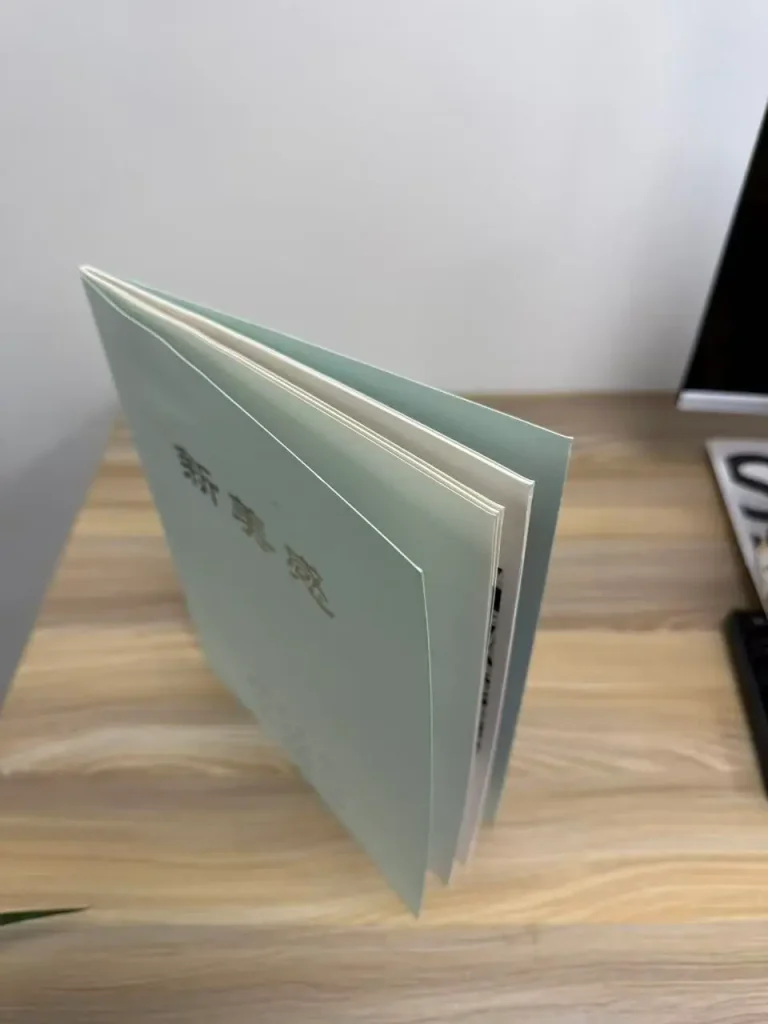
Softcovers are lightweight and portable, which makes them easy to carry in a bag or take on a trip. They’re also less expensive than hardcovers. Because of the lower production cost, publishers often release paperback editions early so readers can enjoy new titles without waiting for hardcover releases.
Comparing the Advantages of Each Format
Softcover Benefits
- Light and portable – A softcover’s flexibility makes it easy to slip into a bag or carry on the go.
- Budget‑friendly – Paperbacks cost less than hardcovers, so you can buy more titles without breaking the bank.
- Comfortable to read – The pliable pages let you bend the book slightly without damage, making long reading sessions comfortable.
Hardcover Benefits
- Durability – The rigid cover protects the pages from wear and tear, meaning the book lasts for years.
- Visual appeal – Hardcovers allow for special printing effects like embossing and foiling, making them ideal for gift books or coffee‑table editions.
- High‑quality paper – The pages are typically thicker and the printing more vivid, enhancing the reading experience.
Board Book Benefits
- Indestructible design – Thick cardboard pages resist tearing and chewing, so the book survives curious toddlers.
- Interactive elements – Many board books include flaps, textures and simple words to stimulate young minds.
- Easy to clean – Spills wipe off effortlessly, making them parent‑friendly.
Board Book vs Hardcover vs Paperback: Which Is Better?
There isn’t a single “best” format; it depends on your goals and circumstances. Here’s how to make your choice:
- Age & durability – For babies and toddlers, choose board books because they can handle rough handling. When kids grow older and gentler, hardcovers or paperbacks are fine. Hardcovers offer long‑term durability and a premium feel.
- Budget – If cost is your main concern, softcover books are the most economical choice. They’re ideal for distributing lots of copies or replacing books easily when worn.
- Collectibility & presentation – If you want a keepsake or special gift, hardcover books shine. Their strong binding and decorative possibilities justify the higher price.
- Page count & size – Board books are best for smaller books (4–10 inches) with 8–40 pages. Paperbacks can handle around 32–200 pages and hardcovers have the widest range (20–1 000 pages).
Choosing the Right Format for Your Project
Now that you know the differences, consider how you’ll use the book:
- If you’re a parent or educator, board books are perfect for introducing reading to babies and toddlers. They’re safe, washable and engaging.
- If you’re self‑publishing a picture book for older children, evaluate your budget and how you want the book to look. Hardcovers command a higher price and last longer; softcovers let you offer a more affordable edition.
- If you’re printing a collection or a special edition, opt for a hardcover to create a keepsake that stands out.
At Pakoro, we specialize in printing all three formats. Whether you’re creating a board book that will endure countless bedtime stories or a handsome hardcover for collectors, our team can help. You can reach us at Melody@pakoro.com. We’re here to make your publishing dream a reality.
Conclusion
Selecting between a board book, hardcover or softcover comes down to your readers’ age, your budget and how long you want the book to last. Board books are rugged and perfect for little hands, hardcovers offer prestige and durability, and softcovers provide affordability and portability. There is no one‑size‑fits‑all answer—the best choice is the one that fits your project’s needs. When you’re ready to bring your children’s book to life, Pakoro is ready to assist with professional printing and advice.
