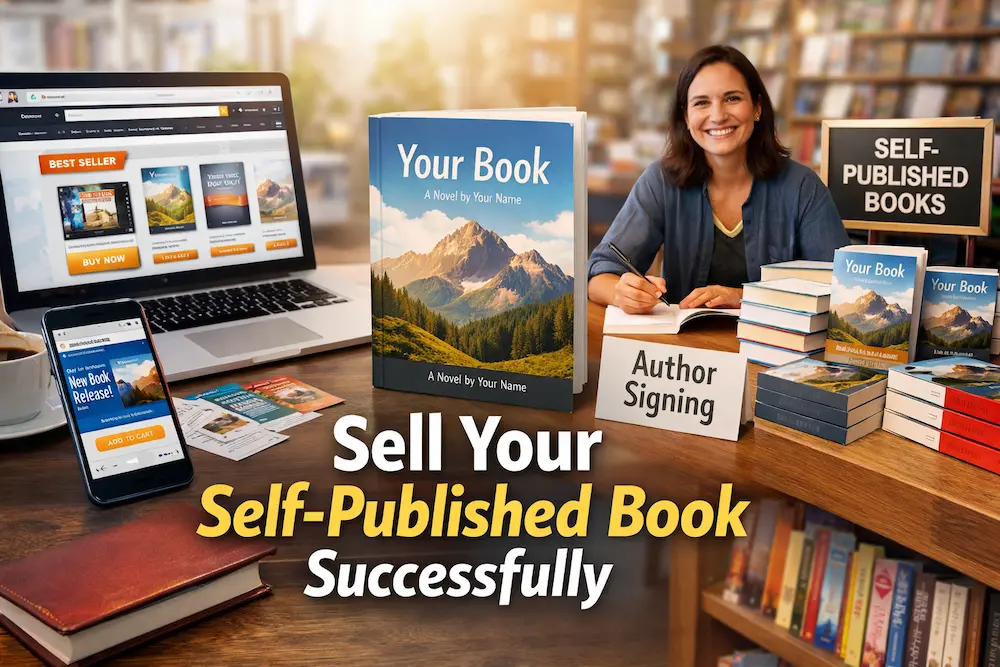
Publishing your own book is a major achievement—congratulations! But writing and printing a book is only half the journey. If you want your work to reach the right readers and generate revenue, you need a solid strategy for selling it. This article, written from the perspective of a Pakoro book-printing expert, walks you through everything you need to know, from preparing your marketing plan to choosing the best sales channels and pricing strategies. Keep reading to learn how to maximize your book’s potential and profit.
1. Prepare to Sell Your Self‑Published Book
Before you dive into selling, take a step back and define your goals. Do you want to share your story with a small community, or do you aim for widespread distribution? Clarifying your objectives helps you create a realistic marketing plan. Here are the essential preparations:
- Identify your target audience. Sketch out personas to determine who will love your book. What are their ages, interests and buying habits?
- Craft a compelling book blurb. This short pitch entices readers to click “buy”. If you need help writing a blurb, many resources are available.
- Build your online presence. Create an author website or social media profiles to connect directly with readers.
- Assemble your support team. Network with other creators and consider professional services like editors, designers or marketers to polish your product.
- Plan promotions and incentives. Contests, giveaways and pre-sale discounts can build buzz.
Starting with these steps ensures you’re not just a writer but also a savvy marketer. Pakoro’s team can guide you through this process—feel free to reach out at the end of this article.
2. Where to Sell Books Online
The internet has made it easier than ever to get your book in front of readers worldwide. However, different platforms have unique strengths and costs. Here’s a breakdown of the most popular online sales channels:
2.1 Amazon
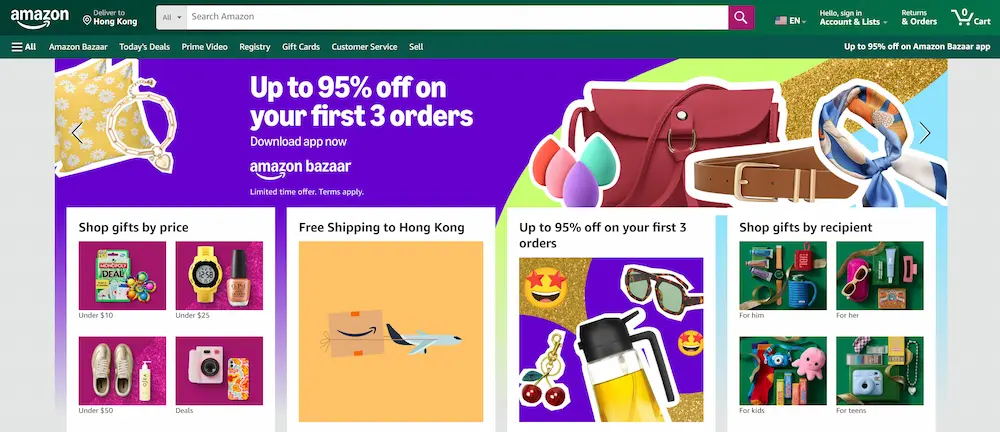
Amazon dominates online bookselling, offering enormous reach and tools for promotion. You can create a product page with your book’s title, description, tags and ISBN, plus an Author page to build credibility. Remember that Amazon charges distribution fees and takes a percentage of your sale price, so factor these into your pricing.
2.2 Ingram
Ingram gives you access to tens of thousands of retailers, libraries and educational institutions in over 195 countries. You choose your book’s wholesale discount and list price, which determines your profit margin. This is ideal if you want global distribution.
2.3 Barnes & Noble
America’s largest brick‑and‑mortar bookstore chain allows self‑published creators to sell through the Ingram platform. You can adjust your price, choose royalty rates and use promotional tools like a self‑publisher dashboard. Barnes & Noble is perfect if you want shelf space in physical stores while still selling online.
2.4 Apple Books Store & Google Play Books
Apple’s platform accepts multiple ebook formats and lets you set your own prices. It’s great for reaching readers on Apple devices. Google Play Books offers a similar experience and allows different prices in different regions. If your book is digital, these platforms are must‑consider options.
3. Where to Sell Books in Person
While online sales cast the widest net, selling in person lets you build relationships and connect with local readers. Consider these venues:
- Independent bookstores. Locally owned shops are often eager to support local authors. Offer to host a reading or signing to boost exposure.
- Libraries. Some libraries create sections for local writers. While they may not be big revenue drivers, they raise awareness.
- Major bookstore chains. Big chains like Barnes & Noble require research and strong distribution channels.
- Used bookstores. These retailers might stock new books, especially if you already have a pitch ready.
- Specialty shops. Gift shops, craft stores, food co‑ops and other niche retailers may carry your book if it fits their audience.
- Book clubs and community events. Flea markets, farmers markets and street fairs provide opportunities to meet readers. Tailor your presence to your book’s theme—e.g., a cookbook at a food festival.
Selling face‑to‑face builds loyalty and lets you share your enthusiasm. Consider combining online and offline strategies for maximum impact.
4. Marketing and Pricing Strategies
Setting the right price and promoting your book effectively are key to profitability. When determining your price and marketing strategy, keep these factors in mind:
- Target audience. Know who will pay for your book and what value it offers. Your demographic research will guide your pricing and promotional channels.
- Comparable books. Research competing titles and how they’re positioned. This helps you define your differentiators and price point.
- Format, length and content. Hardcovers, zines and digital editions all require different approaches. Be realistic about what readers are willing to pay.
- Brand and reputation. Established authors can charge premium prices, especially for limited editions and signed copies. New authors may need to start lower to build trust.
- Production costs. Consider editing, formatting, design, printing and distribution expenses. A proof copy is always a smart investment.
- Distribution strategy. Each sales channel has different fee structures. Factor these into your pricing.
- Marketing budget. Decide how much you can spend on advertising and promotions. Test and adjust your prices as you measure results.
By weighing these factors, you can set a price that reflects your goals and aligns with market realities. And remember: marketing isn’t one‑and‑done. Keep experimenting with campaigns and track your return on investment.
5. Ongoing Promotion and SEO
Publishing a book isn’t like flipping a switch—sales require continuous effort. Here’s how to keep momentum:
- Search Engine Optimization (SEO). Optimize your book’s description, keywords and metadata on platforms like Amazon. A well‑written book blurb with relevant keywords will help people discover your work.
- Paid advertising. Facebook, Instagram, Pinterest, Google and Amazon ads can drive targeted traffic. Start with small budgets, test creative variations and expand successful campaigns.
- Email marketing. Build a mailing list and share updates, special offers and new releases. A direct line to readers is invaluable for future launches.
- Social media engagement. Share behind‑the‑scenes content, host giveaways and interact with readers. Authentic engagement fosters loyalty.
- Ask for reviews and referrals. Positive reviews on Amazon and Goodreads increase credibility. Encourage readers to leave honest feedback and share your book with friends.
Consistency is key. Even small, regular actions—like posting once a week or running periodic ads—keep your book visible and remind readers that you’re active.
6. Why Use Blurb (Pakoro) to Sell Your Book
As a Pakoro expert, I recommend using Blurb (our partner platform) for its comprehensive self‑publishing tools and distribution network:
- Creative tools. Blurb offers intuitive design software that lets you format and assemble your book exactly how you envision it.
- On‑demand printing. Print high‑quality books as needed, reducing upfront costs and risk.
- Multiple sales channels. Once your book is built, you can sell through the Blurb Bookstore, Amazon and Ingram’s 39,000+ stores.
- No distribution fees. Unlike other platforms, Blurb doesn’t charge commissions, giving you more control over your profits.
- Global reach. With Ingram’s worldwide distribution network, your book can be available in libraries and stores across 195+ countries.
At Pakoro, we specialize in helping authors like you navigate this process. We handle design, printing and logistics, allowing you to focus on writing and marketing. Interested in turning your manuscript into a beautifully printed book? Contact us today via email at Melody@pakoro.com or call +86-13149910371. We’re based in Taipei but serve clients worldwide.
Conclusion
Selling a self‑published book is both an art and a science. By preparing your marketing plan, choosing the right sales channels, pricing your book thoughtfully and promoting it consistently, you can maximize your reach and income. Don’t be discouraged by the competitive landscape—armed with knowledge and the right partners, you can achieve your goals. Pakoro is here to support you every step of the way, from printing to promotion. Reach out to us, and let’s bring your book to readers everywhere!