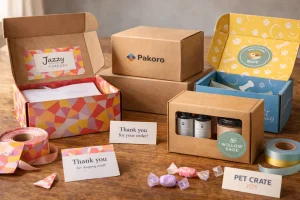
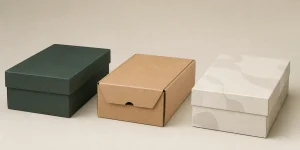
Are you searching for a cost-effective and eco-friendly way to package your products?
Do you want a packaging solution that meets your brand vision and sustainability goals while still standing out on retail shelves?
If so, you’re in the right place. So ,what is paperboard packaging ?
Below, you’ll find a quick reference table highlighting the most essential points about paperboard packaging.
You can skim through it right now to get the key highlights.
Then, read on for in-depth insights, best practices, and expert guidance.
| Key Points | Details |
|---|---|
| What is Paperboard? | A lightweight yet durable packaging material made from pulp, often recycled. |
| Why Use Folding Cartons? | They offer versatility, affordability, and eco-friendliness. |
| Sustainability | Paperboard is recyclable and can be paired with eco-friendly coatings. |
| Common Paper Grades | SBS (Solid Bleached Sulfate) and SUS (Solid Unbleached Sulfate). |
| Printing & Finishing | Flexible options like offset/digital printing, Spot UV, embossing, foil stamping, etc. |
| Industry Use Cases | Ideal for food & beverage, cosmetics, pharmaceuticals, and more. |
| Design Potential | Window patching, unique cuts, and specialty coatings add branding impact. |
| Core Benefits | Retail-friendly, cost-efficient, easily customizable, and environmentally conscious. |
| Next Steps | Plan your packaging specs, collaborate with experts, and enjoy premium, sustainable boxes. |
Now that you know the basics, you’re probably excited to see how paperboard packaging can help your brand thrive.
Let’s dive deeper and explore everything you need to know about folding cartons made from paperboard.
1. Paperboard Packaging at a Glance
Paperboard is a type of thick paper-based material known for its light weight, flexibility, and cost efficiency. You see it every day, whether it’s the cereal box you opened this morning or the sleek packaging for a new skincare product you just purchased. Because of its versatility, paperboard is a top choice across countless industries.
Folding cartons are the most common form of paperboard packaging. They are typically delivered in flat form. You can then fold and assemble them on-site or through an automated system. The beauty of folding cartons lies in their adaptability. You can design them to fit practically any product shape or size.
When you’re looking to create a strong first impression, paperboard packaging will help you highlight your brand effectively. From vibrant colors to minimalistic layouts, every design style can find a perfect match with folding cartons.

2. A Brief History of Folding Cartons
Folding cartons date back to the 1800s. At that time, they were hand-assembled using strings or tacks. This method was time-consuming, but it demonstrated the potential of a new era in packaging. Once industrialization took off, folding carton manufacturing skyrocketed. The ease of mass production and the ready availability of paper materials turned folding cartons into a staple.
You might be wondering: How did this old innovation remain so popular? The answer lies in the simplicity, economical value, and customizability of paperboard. Over the centuries, printing technology and finishing options have also advanced. Now, you can have intricate logos, bold colors, protective coatings, and unique finishes that elevate your brand presence.
3. The Manufacturing Process Simplified
Understanding the basics of how paperboard packaging is manufactured helps you appreciate its many benefits. If you know what happens behind the scenes, you can make better decisions about your own packaging strategy.
- Raw Material Collection
Most paperboard begins as pulp derived from scrap paper, virgin wood fibers, or a blend of both. These fibers are processed, flattened, and formed into large rolls or sheets. - Cutting and Scoring
Next, manufacturers prepare dielines (templates) for your packaging. They feed large paperboard sheets through cutting and scoring machines. The machines slice the sheets according to your folding carton design. Then, they add score lines to ensure easy folding. - Printing
Once the sheets are cut, they pass through high-quality printing presses. Here is where you add your branding, product details, logos, and any required regulatory text. Depending on your desired look, you might also add specialized effects such as foil stamping or embossing during or after printing. - Folding and Gluing
After printing, machines fold and glue the die-cut sheets according to your design. At this stage, your packaging is essentially complete but delivered flat. This saves you shipping costs and storage space. - Additional Treatments
Depending on your product’s requirements, manufacturers might add food-grade or grease-resistant coatings. They might also implement window patching for display purposes. Quality checks ensure the boxes can hold their shape and protect the contents.
In short, the process is efficient. It allows you to create large volumes of folding cartons quickly, meeting tight deadlines while adhering to high quality standards.

4. Why Choose Folding Cartons
You might wonder, Why should you opt for folding cartons when there are so many other packaging materials out there? Let’s look at four major reasons:
4.1 Retail-Friendly Appeal
Most brands love folding cartons because they look great on store shelves. These boxes maintain their shape, which prevents damage during shipping and reduces negative impressions at retail. Plus, the wide variety of finishing and printing techniques gives you plenty of ways to stand out.
Pro Tip: Use bold and unique colors on the outside, and consider printing on the inside for a delightful unboxing experience. This strategy surprises your customers and strengthens your brand identity.
4.2 Environmentally Friendly
Today’s consumers value sustainability more than ever. Fortunately, paperboard packaging aligns perfectly with eco-conscious shopping behavior. Paperboard is not only recyclable, but also made from renewable resources. Many suppliers use responsibly sourced wood pulp. When you incorporate eco-friendly coatings or water-based inks, your entire packaging solution meets rigorous environmental standards.
4.3 Versatility in Printing and Finishing
Does your design involve lots of detail, multiple colors, or premium finishes? Paperboard is versatile enough to handle all sorts of complex artwork. Whether you choose offset printing for crisp details or digital printing for short runs and quick turnarounds, you’ll achieve impressive results. Add finishes like Spot UV, embossing, debossing, or foil stamping to enhance visual and tactile appeal.
Quote for Inspiration:
“Effective packaging is the silent ambassador of your brand.”
— Paul Rand (adapted)
4.4 Cost Efficiency
You want a packaging solution that stays within your budget yet performs exceptionally. Paperboard offers precisely that. Folding cartons are relatively cheap to produce, store, and ship. When compared to heavier or more specialized packaging materials, you often find significant cost savings over large production runs. By investing a bit more in design and finishing, you still keep overall expenses manageable while reaping the brand-building benefits of a high-end look.
5. Exploring Different Paperboard Grades
When you hear “paperboard,” you might assume it’s all the same. However, there are different grades of paperboard, each with distinct properties. Understanding these grades helps you decide which is best for your specific product or brand story.
5.1 Solid Bleached Sulfate (SBS)

SBS paperboard is a premium option. It typically contains around 80% virgin wood fibers that have been chemically processed and bleached, with some recycled content as well. The bleaching results in a brilliant white surface that’s ideal for high-quality printing. If your design relies on accurate color output, SBS is a solid choice.
You’ll find SBS paperboard used widely in cosmetics, pharmaceuticals, and high-end food packaging. Its sturdy, tear-resistant nature helps protect delicate items during shipping. Its smooth, clean surface helps you achieve bright, consistent colors for any branding purpose.
5.2 Solid Unbleached Sulfate (SUS)

On the other hand, SUS paperboard is not bleached. It maintains its natural brown shade, which appeals to brands that emphasize environmental consciousness. Because of the brown color, you should consider how it might affect your printed design. Darker colors might appear more muted, which isn’t necessarily a drawback. In fact, many brands use it to underscore a natural or organic brand identity.
If you select SUS, you can still coat or treat the surface to accommodate detailed printing. This grade offers good strength as well, making it suitable for heavier items that need extra support.
6. Printing and Coating Options for Paperboard
Let’s talk about branding and product protection. You already know that printing and finishing can transform a plain box into a remarkable package. However, you may still wonder which printing method or coating is best for your brand. Here’s a quick overview:
6.1 Printing Methods
Offset Printing
This traditional method is perfect for large runs where you want exceptionally crisp details and vibrant images. If your design includes intricate patterns or small text, offset printing ensures precision.

Digital Printing
If you deal with smaller production quantities or frequently change designs, digital printing offers flexibility. It has faster setup times and requires minimal equipment adjustments. It’s also cost-effective for short runs.

Key Insight:
For brands prioritizing color accuracy and intricate detail, offset is a go-to. For brands emphasizing customization and frequent design updates, digital can save time and money.
6.2 Coating Types
Wax Coating
Commonly used in the food and restaurant industry, wax coatings provide moisture and grease resistance. If you want to prevent leaks or stains (think takeout containers), wax is a handy solution.
Aqueous Coating
Water-based coatings are popular for environmentally conscious brands. They can be food-safe and free of harmful chemicals. You can use them on the box interior or exterior to add protection and a gentle shine.

Spot UV Coating
Spot UV isn’t actually a printing method but a coating technique. It involves applying a varnish to specific areas, then using ultraviolet light to cure that varnish. This creates a shiny or protective layer in targeted spots, drawing attention to logos or design elements.

Embossing and Debossing
These techniques press designs or text into the paperboard, creating a raised (embossed) or indented (debossed) effect. This adds a tactile dimension and a premium look.

Foil Stamping
Foil stamping involves pressing a metallic or pigmented foil onto the surface with heat. This finish draws the eye and can dramatically increase perceived value. It often works well for branding and product labels.

7. Paperboard Packaging Across Industries
You might see paperboard packaging in almost every industry. However, the final design and function can vary based on your product’s unique needs. Let’s explore a few real-world applications:
7.1 Cosmetics and Skincare
When you walk through a beauty aisle, you notice an array of folding cartons in all shapes, sizes, and finishes. Cosmetics often require a luxurious feel. That’s why you see gold foil, soft-touch coatings, or elaborate embossing. If you want to convey high-end vibes, SBS paperboard with advanced printing techniques is an excellent choice.

7.2 Food and Beverage
From cereal boxes to snack packaging, you’ll find paperboard in nearly every grocery aisle. Many of these boxes feature wax or aqueous coatings to handle moisture and grease. If you produce baked goods or frozen items, you can keep them fresh and secure. Meanwhile, you showcase your brand’s uniqueness through vibrant packaging graphics.
7.3 Pharmaceuticals
In the medical field, packaging must protect products from contamination and maintain sterility (when needed). Folded paperboard cartons also serve as secondary packaging to hold blister packs or bottles. If you run a pharmaceutical brand, you might require a streamlined design that fits into an automated folding system. Reliability, consistency, and ease of assembly become top priorities.
Case in Point:
One pharmaceutical company needed large quantities of folding cartons to send medication to Africa. The packaging had to integrate into an existing automated system. By carefully analyzing the required machine settings, the manufacturer created a design that folded swiftly, with minimal issues. In the end, they delivered a cost-effective solution that protected sensitive medications across long distances.
7.4 Cannabis and CBD Products
In regions where cannabis and CBD items are legal, paperboard solutions are on the rise. These products frequently rely on brand narratives focusing on wellness and natural sourcing. SUS paperboard is popular here, as the unbleached brown tone aligns with an organic message. You can still incorporate eye-catching designs while maintaining that eco-friendly vibe.
8. Designing with Paperboard: Windows, Embellishments, and More
It’s all about standing out while protecting your products. Thankfully, paperboard packaging gives you plenty of freedom to get creative. Here are some ideas:
- Window Patching
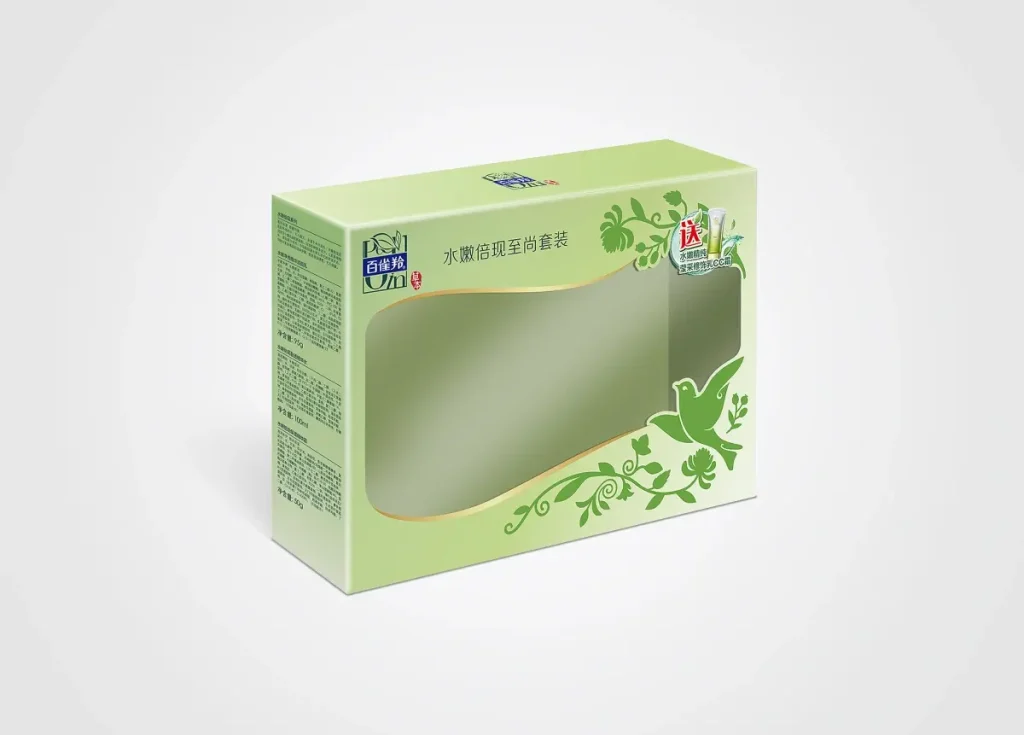
If you want to showcase your product before purchase, consider adding a clear window. The clear film can be reinforced for extra sturdiness, helping customers see the color, texture, or size of what’s inside. This is common in bakery items, toy packaging, and premium electronics accessories. - Multiple Artwork Styles
Do you have several products under the same line, each with its own design? Paperboard makes it easy to run multiple artwork styles in a single production. This saves time and lowers expenses, especially if you partner with a packaging provider experienced in grouping designs. - Anti-Scratch Finishes
If you worry about scuffs or marks, anti-scratch coatings give your boxes a longer-lasting appeal. This approach works great for premium products that you want to remain immaculate from production to retail display. - Layered Branding
Add your brand’s tagline or pattern on the inside. Create an unboxing journey for your customers. This can include an inspirational quote, brand origin story, or playful message to strengthen brand loyalty.
Remember:
Your packaging is a direct extension of your brand. Even small design choices, such as a strategic cut-out or creative typography, can significantly enhance perceived product value.
9. Bringing It All Together: From Concept to Shelf
At this point, you may be brimming with ideas for your folding cartons. Yet, you might also wonder how to best approach paperboard packaging from concept to launch. Here’s a quick roadmap:
- Define Your Brand Story
Ask yourself: What message do you want your packaging to convey? If sustainability is key, highlight an unbleached paperboard or water-based inks. If luxury is your angle, incorporate foil stamping and Spot UV to capture attention. - Consult the Experts
By talking to packaging specialists, you gain insights into paper grades, coating options, and structural designs. They can help you create dielines, manage color proofs, and optimize the entire process. - Test Prototypes
Request a few mock-ups before diving into large-scale production. Check how your design appears in real life. Evaluate the box’s durability, printing accuracy, and ease of assembly. - Transition to Full Production
Once you’re satisfied, you can confidently order in bulk. Paperboard packaging manufacturers typically schedule production runs to optimize cost efficiency. - Perform Quality Checks
Inspect the final product for consistent color, correct alignment, and secure gluing. Ensure that each carton folds seamlessly and protects your product during transit. Then, get ready to ship and delight your customers.
10. Summary: Your Packaging Speaks Volumes
Paperboard packaging, especially in the form of folding cartons, allows you to combine sustainability, visual appeal, cost savings, and structural reliability. You can stand out in a crowded market while meeting the growing demand for eco-friendly solutions.
Here are some final takeaways to remember:
- Folding cartons excel in retail settings, offering strong shelf presence and robust protection.
- Paperboard is environmentally conscious, supporting recycled content and biodegradable materials.
- SBS paperboard is ideal for crisp, vibrant designs, while SUS paperboard offers a natural brown color.
- Finishing options like Spot UV, embossing, debossing, and foil stamping inject premium quality into your product presentation.
- You can easily integrate window patching to showcase the product, which boosts customer confidence.
- Cost efficiency remains one of the biggest advantages, alongside versatility and branding opportunities.
By embracing paperboard packaging, you enhance your brand story, improve customer satisfaction, and contribute to a healthier planet.
11. FAQs: Addressing Your Burning Questions
If you’re still pondering a few details, these FAQs might help:
Q1. Is paperboard sturdy enough for heavier products?
Yes, especially when you choose a heavier weight or specialized grade. For particularly heavy or fragile items, you can reinforce the carton with interior support or select a thicker SBS paperboard.
Q2. What about printing bright colors on brown SUS paperboard?
You can print on SUS using a white ink base layer. This helps colors appear more vibrant, minimizing the muted effect of the natural brown background.
Q3. How do I know which coating is right for my packaging?
Consider your product’s needs. Food items might need wax or aqueous coatings to handle moisture. Premium cosmetics might need a luxurious, matte finish with soft-touch lamination. A packaging consultant can guide you through the trade-offs.
Q4. Are there minimum order quantities for folding cartons?
This varies by manufacturer. Some specialize in large runs, while others can accommodate small to medium batch sizes. Digital printing can also help with low-volume orders.
Q5. Do I need special equipment to assemble folding cartons?
Many businesses fold cartons by hand or through semi-automatic processes. For large-scale operations, an automated folding machine speeds up the process. You can partner with suppliers that design cartons to your existing machinery specs.