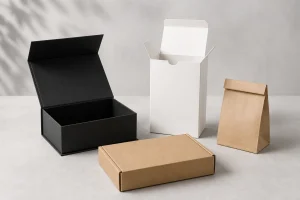
A shoe box is an essential part of product packaging, impacting both the protection of the product and the convenience of transportation and storage. This article delves into the standard sizes of shoe boxes and how to choose the right size to help you better understand and apply these insights in your business.
For brands looking for reliable shoe boxes manufacturers, Pakoro provides premium custom shoe boxes, eco-friendly materials, and flexible production options to help you create durable and visually impressive packaging.
Overview of Standard Shoe Box Sizes
Shoe box sizes vary based on their design purpose and market demand. Here are some common standard shoe box sizes:
Athletic Shoe Boxes:
Typically larger to accommodate various styles and sizes of athletic shoes, with a standard size of approximately 33 cm in length, 20 cm in width, and 12 cm in height.
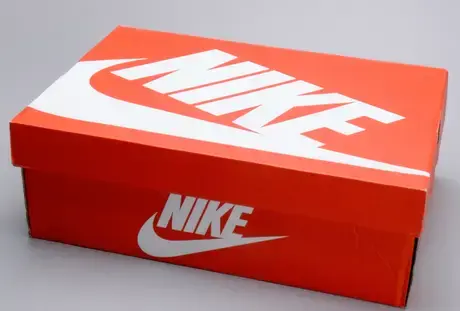
Boot Boxes:
Designed taller to fit the length and height of boots, with a standard size around 40 cm in length, 30 cm in width, and 20 cm in height.
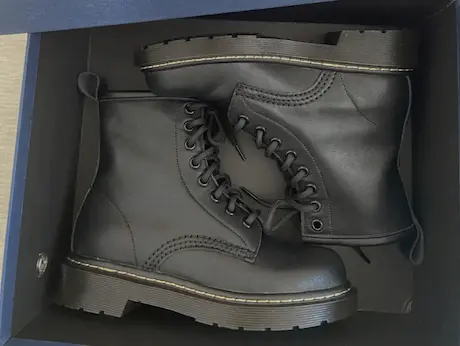
Small Shoe Boxes:
For items like flats or children’s shoes, generally smaller in size, about 20 cm in length, 15 cm in width, and 10 cm in height.
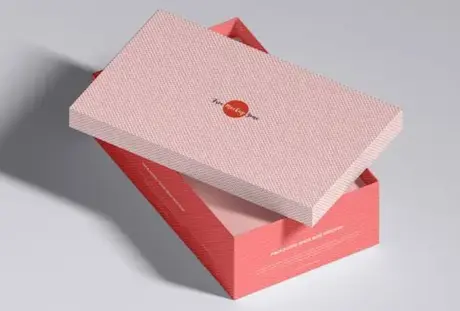
These sizes are based on globally popular product standards, effectively meeting the needs of various markets and product types.
How to Choose the Right Shoe Box Size?
Selecting the right shoe box size is crucial for ensuring the integrity and effectiveness of product packaging.
Partnering with professional shoe boxes manufacturers helps you implement these sizing tips effectively, allowing you to produce high-quality boxes that protect your products and strengthen your brand.
Here are some practical tips for selection:
- Product Size and Fit: The size of the shoe box should be slightly larger than the product itself to ensure there is enough space and protective padding to prevent damage during transportation.
- Transportation and Storage Considerations: Consider the dimensions and proportions of the shoe box to ensure the selected size efficiently utilizes space during transportation and storage, reducing extra logistics costs and storage space requirements.
- Brand Image and Packaging Design: The appearance of the shoe box is not only part of product protection but also a key component of brand image. Ensure the selected size can effectively display the brand logo and relevant product information.
Conclusion
Partnering with trusted shoe boxes manufacturers ensures your footwear packaging is durable, visually appealing, eco-friendly, and fully aligned with your brand identity, helping your products stand out in the competitive market.
By reading this article, you now understand the standard sizes and selection tips for shoe boxes, enabling you to apply these insights more effectively in actual production and packaging design. Choosing the right shoe box size can not only enhance the quality of product packaging but also boost brand image and market competitiveness.