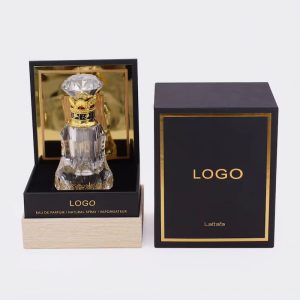
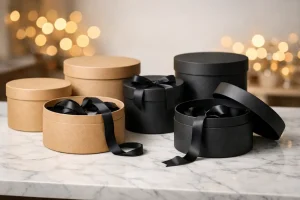
The role of packaging design in your product’s success cannot be overstated.
Packaging is the first interaction a customer has with your product, and it has the power to elevate your brand, create a lasting impression, and drive sales.
In this guide, we will explore how to write a successful packaging design brief, which is a critical tool to ensure your packaging is effective, well-crafted, and aligned with your brand vision.
A well-designed packaging design brief is essential to effectively communicate your ideas to the packaging designer, ensuring the best possible outcome for your product packaging.
Let’s dive deeper into what makes a great packaging design brief and how you can create one.

The Importance of Packaging Design
Packaging design plays a crucial role in defining your brand for several reasons:
- Product Protection: First and foremost, packaging ensures that your product gets from point A to point B safely. Whether your product is being shipped, displayed, or handed to a customer, it must be protected from potential damage. Quality packaging can minimize risks and ensure your customers receive a perfect product every time.
- Differentiation and Brand Story: Beyond protection, packaging is a medium for telling your brand’s story and differentiating yourself from competitors. Packaging design is often the first impression customers have of your brand, and the colors, materials, and designs you choose can all contribute to building a memorable brand identity.
- Marketing Value and Customer Experience: The unboxing experience is now a key part of marketing and brand building. A well-designed package delights customers and encourages them to share their experiences online, boosting word-of-mouth marketing and establishing a stronger emotional connection with your brand.

Given these factors, packaging design is a powerful tool that can genuinely set your brand apart. But to make your vision come to life, you need a design brief that communicates your requirements clearly.
What is a Design Brief?
A design brief is a set of instructions that tells your packaging designer exactly what you envision for your product.
While this may sound simple, a successful packaging design brief is much more than just a set of instructions—it’s a document that combines inspiration and direction, helping to guide the designer towards realizing your brand vision.
Think of it as a blueprint for your packaging—a concise, comprehensive document that details your objectives, ideas, preferences, and requirements.

Why Are Design Briefs Important?
A well-written design brief is important for the following reasons:
- Clarity and Efficiency: It provides clarity about what you need, reducing the number of revisions required, and making the entire process more efficient. Designers understand what is expected, which helps save time and resources.
- Minimize Misunderstandings: A clear design brief helps prevent misunderstandings and reduces the risk of miscommunication. It also helps in flagging any potential issues early in the process.
- Foundation for Collaboration: Design briefs serve as a foundation for effective collaboration between you and your designer, setting the stage for creative synergy and ensuring everyone is on the same page from the start.
Key Elements of a Successful Packaging Design Brief
Now that we understand why a design brief is so crucial, let’s break down the key components of a successful packaging design brief:
1. The Overview
The overview should provide a broad understanding of your brand, product, and project objectives. This section should include:
- Introduction to Your Brand: Start by introducing your brand and product. Explain the brand story, core values, initiatives, and how you wish to communicate your brand’s narrative through your product packaging. Highlight the key elements that set your brand apart from the competition—whether it’s sustainable practices, unique product features, or competitive pricing.
- Company Overview: Provide a summary of your company, including how long it’s been in operation, its location, and your niche in the market. Mention any relevant background details that could help your designer understand your brand identity more fully.
- Objective of the Project: Clearly outline the objective of this specific packaging project. Are you launching a new product, rebranding, or simply refreshing existing packaging? What are your expectations from the design? Having a clear objective helps guide the entire process.
2. Branding Details
Since your packaging design is an extension of your brand identity, it’s crucial to include detailed branding information in your brief:
- Brand Positioning and Competitor Analysis: Outline how your brand is positioned in the market. How do you compare to your competitors? What do you do better? This information will help your designer understand the positioning you’re aiming for and create packaging that conveys the right message.
- Logo, Colors, and Brand Visuals: Describe any visual elements of your brand that are important to consider—including your logo, color scheme, fonts, and style preferences. Reference any existing visuals, campaigns, or materials that could be helpful for context.
- Target Market: Describe your target market. Who is the ideal customer? What do they like or dislike, and how does your brand appeal to them? The packaging should be designed in a way that speaks to your ideal customers and encourages them to make a purchase.
- Top Priorities and Objectives: Identify the top priorities for your packaging design—whether it’s improving the unboxing experience, prioritizing eco-friendly materials, or ensuring cost-effective production. Establish clear, measurable goals to help the designer understand your priorities.

3. Exact Requirements
The exact requirements for the packaging design include specifics about how the packaging should look and function:
- Technical Specifications: Provide details about packaging measurements, material requirements, and specific structural elements that must be used. If you have existing packaging and want changes, clearly outline the issues you’re currently facing (e.g., high risk of product damage, high cost of production, printing quality issues).
- Design Limitations and Regulations: Include any packaging regulations that must be adhered to, as well as any information that is required by law to be displayed on the packaging. Additionally, specify any size, shape, or artwork elements that should not be included.
- Distribution and Shipping Information: Outline how your packaging will be shipped or distributed. Will the product be transported long distances or stored on retail shelves? Knowing this will help the designer choose appropriate materials that can endure shipping conditions while still being visually appealing.
- References and Examples: Providing reference images of packaging styles you like or dislike can be incredibly helpful for your designer. If you have examples of what you’re aiming for, include them in the brief.
4. The Approval Process
Setting expectations for the approval process is vital in ensuring smooth communication and avoiding confusion. Here are some aspects to consider:
- Setting Expectations for Changes: Acknowledge that changes are part of the design process, but try to outline what types of changes might be acceptable or unacceptable. This can help minimize unnecessary revisions.
- Prototype and Testing Phases: Consider including time for prototyping and testing in your approval process. Prototypes help identify areas for improvement before mass production, saving both time and money in the long run.
- Design Delivery and Feedback: Clearly communicate how designs should be delivered (e.g., PDF files) and how the feedback process will work. Will multiple people be involved in the approval process? Establishing these details can help streamline the process and make it more efficient.
Conclusion
Creating a successful packaging design brief requires careful thought and attention to detail.
A well-crafted brief helps the designer understand your needs, your brand vision, and your business objectives, ultimately leading to better, more effective packaging.
By including information about your brand, your target market, your requirements, and the approval process, you set the foundation for a successful project and save time for both you and your designer.
The more comprehensive your creative brief, the better the results will be.
It doesn’t need to be unnecessarily long, but following a clear template and including all the key information will help guide the design process and achieve the best possible outcome for your product packaging.