Unlock the Power of Retail Packaging for Your Business
Are you looking for a way to protect your products, boost your brand image, and win over customers? You’ve come to the right place. In this article, you will learn everything about retail packaging. You will discover its key advantages, challenges, and the best materials to use. Let’s dive in and explore how retail packaging can transform your business.
What Is Retail Packaging?

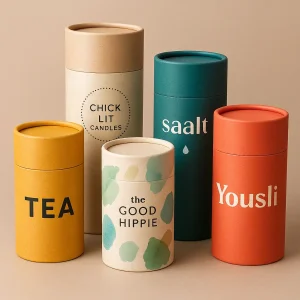
Retail packaging is not just about holding your products. It is a blend of materials and processes designed to protect your items both online and offline. In short, retail packaging is a powerful tool that elevates product presentation and communicates your brand’s story. Unlike bulk packaging, retail packaging is tailored for individual items, making each package an extension of your brand identity.
Key Advantages of Retail Packaging
You deserve packaging that goes beyond the basics. Here are some of the top benefits you can enjoy:
- Product Protection:
You need packaging that safeguards your products during transit and storage. Strong materials ensure your items remain undamaged. - Environmental Impact:
When you choose sustainable materials, you show empathy towards the environment. This improves your reputation and appeals to eco-conscious consumers. - Enhanced Brand Image:
You can boost your brand’s value with well-designed packaging. Customers appreciate a unique and memorable unboxing experience. - Consumer Attraction:
Eye-catching packaging naturally attracts buyers. This helps increase your market visibility and brand recognition. - Effective Communication:
Packaging is a perfect medium to convey product information and your brand message. Clear, creative design makes the communication process smooth. - Superior Functionality:
Packaging that is both durable and user-friendly makes a lasting impression. You ensure that every unboxing experience is enjoyable.

Challenges You May Face
While retail packaging offers great rewards, you should also be aware of some challenges:
- Cost Considerations:
Higher quality and custom designs may increase your expenses. However, the benefits often outweigh the extra cost. - Regulatory Compliance:
You must ensure that your packaging meets legal standards. Ignoring regulations can lead to heavy penalties. - Logistics and Supply Chain:
Coordinating design, production, and transportation can be complex. It is crucial to have a reliable team on your side. - Maintaining Brand Value:
Custom retail packaging can enhance your product’s value. However, plain packaging may fall short of customer expectations today.
8 Types of Retail Packaging Materials
Choosing the right material is essential for a successful packaging strategy. Here are eight options to consider:
Custom Retail Boxes:
Create an exciting unboxing experience. These boxes can double as gift packaging and are great for protecting fragile items.
Paperboard Boxes:
Ideal for small, delicate items, these boxes are usually made of recycled materials and provide excellent protection.

Eco-Friendly Materials:
Options like cotton, hemp, and bamboo are biodegradable and customizable. They appeal to eco-conscious customers.

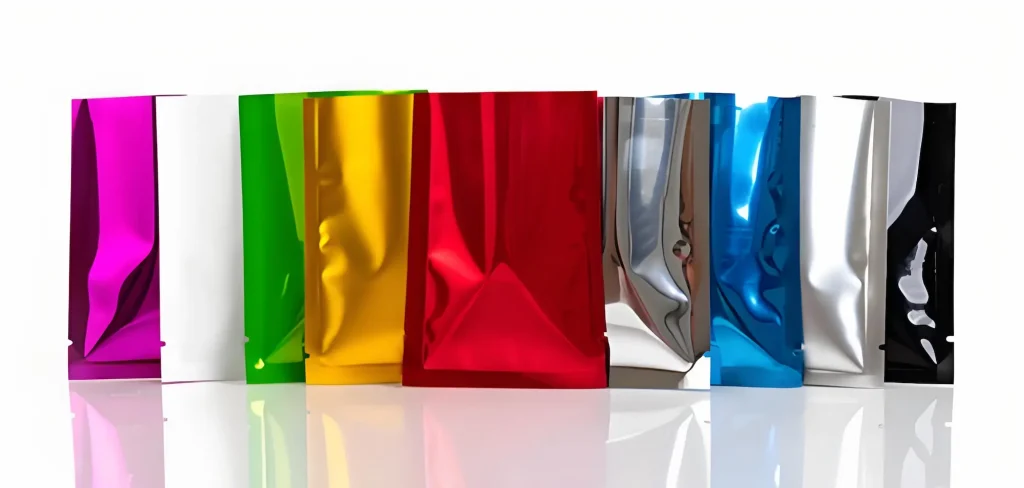
Foil-Sealed Bags:
These bags offer an air-sealed barrier against moisture, heat, and UV light. They are perfect for sensitive products.
Custom Retail Bags:
Available in various forms such as paper gift bags or cloth totes, these bags help extend your brand beyond the store.
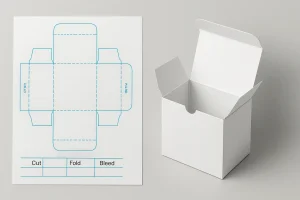
Branded Folding Carton Boxes:
Lightweight and functional, these boxes can display your logo and product information elegantly.
Rigid Boxes:
Often used for food, medical, or electronic products, these boxes offer robust protection and a high-end look.

Corrugated Boxes:
Designed for heavy items, corrugated boxes provide multi-layer protection during transit.
Strategies to Enhance Your Retail Packaging
You can take your packaging to the next level by following these tips:
- Create a Memorable Unboxing Experience:
An exciting unboxing moment can generate social media buzz and free word-of-mouth promotion. - Design for Visual Impact:
Use bold colors and creative graphics. This strategy not only conveys your message but also captures attention. - Collaborate with Professionals:
Partner with experienced packaging designers. Their expertise will help you bring your vision to life. - Incorporate QR Codes:
You can use QR codes to share additional product details without cluttering the design. - Choose the Right Colors:
Understand color psychology. The right hues can evoke emotions that drive purchasing decisions.
Real-World Success Stories
You might be wondering how top brands leverage retail packaging. Here are three examples:
- Apple Inc.:
Apple’s minimalist and elegant packaging speaks volumes about its products. You can learn from their simplicity and sophistication. - Coca-Cola:
Coca-Cola uses its signature red packaging to evoke joy and nostalgia. This color strategy is a powerful lesson in branding. - Tiffany & Co.:
Tiffany’s blue boxes with white ribbons set a luxurious tone. Their packaging reflects the high-end quality of their products.
Final Thoughts
In conclusion, retail packaging is much more than a protective cover. It is a crucial marketing tool that enhances your product’s value, improves brand recognition, and creates a delightful customer experience. By understanding both the advantages and challenges, you can make informed decisions that drive your business forward.
You now have the tools and insights to transform your packaging strategy. Whether you choose custom retail boxes or eco-friendly materials, remember that every detail counts. Start upgrading your packaging today, and let your products shine!
“A great package is the first conversation you have with your customer.”
– Industry Expert
By following these guidelines, you will not only meet regulatory standards but also leave a lasting impression on your customers. Embrace the potential of retail packaging and watch your brand soar.