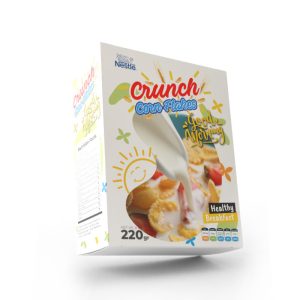
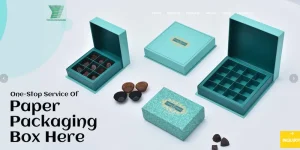
Shelf‑ready packaging (SRP) solves that problem by combining transportation, display and branding into one easy‑to‑handle unit.
In this guide you’ll learn what SRP is, why it matters and how you can use it to give your products an edge.
What Is Shelf‑Ready Packaging?
SRP refers to a secondary packaging that is designed to move from distribution straight to retail shelves.
Instead of unboxing individual items, staff simply remove a perforated lid or tear strip and the carton becomes an attractive display.
As BrillPack explains, SRP merges product protection, branding and replenishment ease—letting stores move products swiftly from shipment to shelf.
This convenience is why big‑box retailers popularized SRP during the 1990s.
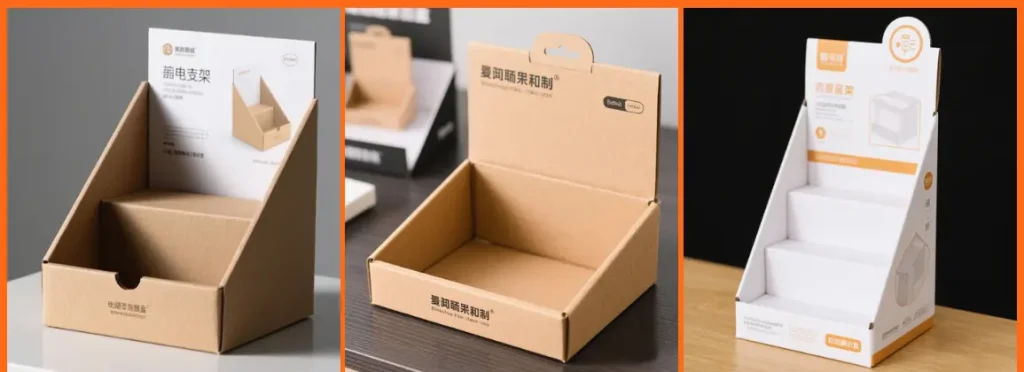
SRP differs from traditional packaging by focusing on display and efficiency.
While typical cartons protect products in transit, SRP adds features that simplify stocking, improve shelf appeal and promote sustainability.
According to a market analysis, the global retail‑ready packaging market was valued at USD 87.6 billion in 2024 and is set to grow at 5.4 % CAGR through 2034, driven by demand for visually appealing, durable and sustainable packaging.
Brands and retailers are investing in SRP because it accelerates restocking and enhances product visibility.
Common Formats & Use Cases
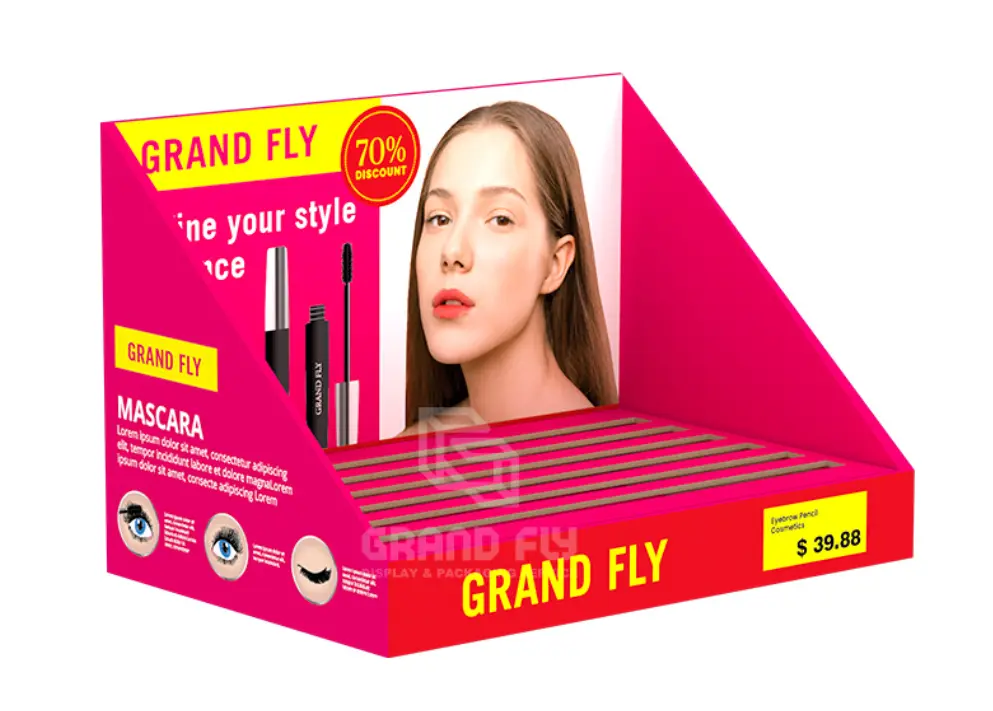
SRP isn’t one‑size‑fits‑all; it comes in different forms for different products. Common formats include:
- Perforated boxes – Ideal for snacks, cereals and small confectionery items. Staff peel away a portion of the box to expose contents, cutting shelf‑setup time by up to 40 %.
- Foldable designs – Flat‑packed boxes that ship efficiently and fold quickly into display‑ready trays.
- Tray‑and‑lid systems – A rigid tray serves as the display base; the lid lifts off or tears away, creating a premium feel for cosmetics or electronics.
- Hybrid solutions – Combine sturdy cardboard with plastic film or re‑sealable features; suitable for products requiring repeated access.
Selecting the right format depends on product weight, fragility and retail environment.
Perforated boxes work well for light, fast‑moving goods, whereas heavy or premium items may need reinforced trays.
You should also align dimensions with retailer planograms to ensure shelf fit.
Why SRP Benefits You and Retailers
Adopting SRP creates a triple win for suppliers, retailers and shoppers.
Retail‑ready packaging helps merchandisers stock products with fewer touches, reducing labor costs and keeping shelves full.
Consumers benefit because products are easier to find and access, while brands gain greater visibility and can tell their story on the display.
SRP also reduces waste since the same container protects items during shipping and serves as the on‑shelf display.
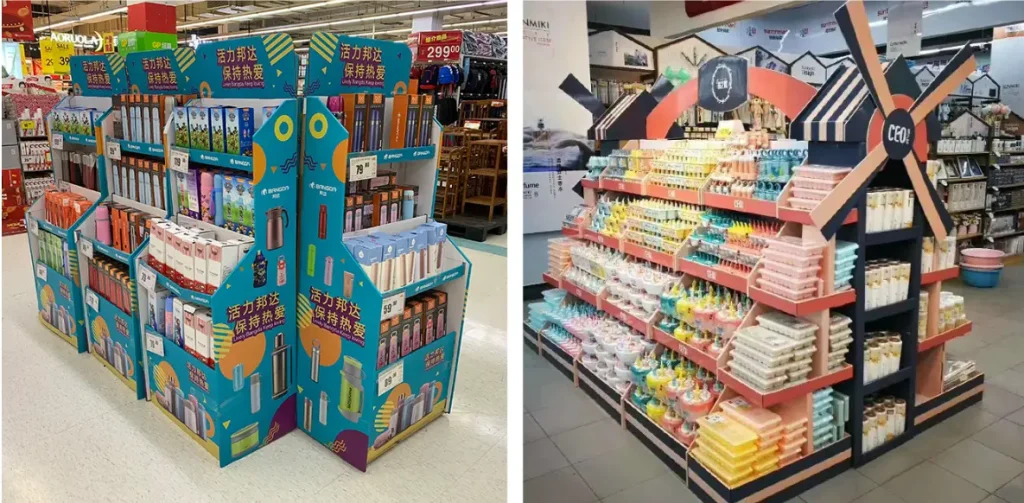
Several categories rely heavily on SRP:
- Food and beverage – The largest category; 85 % of retail‑ready packaging goes to grocery and club store channels.
- Discount retailers – Use shelf‑ready boxes for aisle shelves and end‑cap displays.
- Club stores – Employ pallet‑ready corrugated SRP to move large volumes directly to the sales floor.
Many suppliers prefer corrugated cardboard because it is cost‑effective, recyclable and sturdy. Some reusable plastic displays exist, but corrugated remains the sustainable choice.
Key Design Elements: The Five Easies
To make SRP work effectively, designs should follow the Five Easies—principles first popularized by Walmart and highlighted by PCA’s design team:
- Easy to Identify – Bold branding, clear SKU visibility and eye‑catching colors help warehouse staff and shoppers instantly recognize products.
- Easy to Open – Clean perforations or tear strips allow associates to transform the shipping carton into a display without knives or box cutters.
- Easy to Replenish/Stock – A single unit contains all products, enabling staff to place the display on the shelf in seconds.
- Easy to Shop – Customers should be able to see and pick items effortlessly; the display should encourage impulse purchases.
- Easy to Recycle – Use minimal materials and design for simple breakdown and recycling.
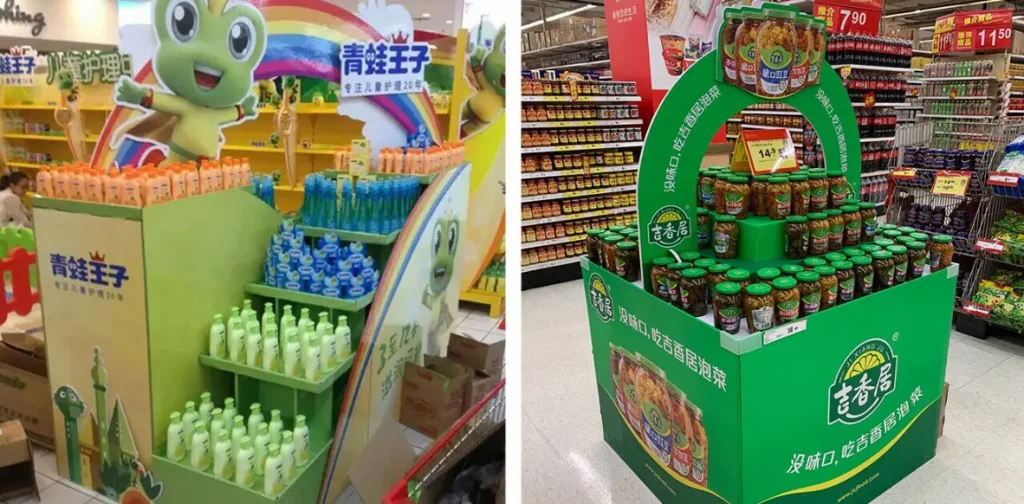
Beyond the Five Easies, BrillPack notes that effective SRP relies on durable materials, space optimization, ergonomic design and sustainability compatibility.
Corrugated cardboard, recyclable plastics or combinations thereof provide strength without excessive weight.
Standardized footprints ensure the display fits snugly on shelves.
Handles, tear strips and lightweight structures make handling easy.
Single‑material constructions and water‑based inks simplify recycling and align with eco‑friendly consumer preferences.
Design Tips & Best Practices
When crafting SRP for your product, consider these expert tips to maximize impact:
- Follow retailer guidelines and planograms – Each chain has specific shelf dimensions, label locations and disposal instructions. Collaborate with retailers early to ensure compliance and gain preferred placement.
- Align branding and color strategy – Use high‑impact visuals that differentiate your product from store signage and competitors. Consistent Pantone or CMYK colors prevent mismatches across print runs.
- Test structural integrity – Conduct drop tests, humidity simulations and tear‑strip trials to ensure the box withstands transit and is easy to open.
- Plan for product shelf life – For perishables, integrate ventilation holes or moisture barriers and ensure labels remain visible for easy stock rotation.
- Design for omnichannel – Reinforce corners or layer boards so the same SRP can survive courier shipping yet remain display‑ready in micro‑fulfillment centers.
- Keep sustainability in mind – Utilize FSC‑certified paper, biodegradable films or post‑consumer recycled plastics where possible. Smart designs like Seal N’ Flip can reduce plastic use by up to 50 %, yielding cost savings.
Future Trends & Sustainability
As packaging evolves, SRP is adopting new technologies and greener practices. The BrillPack report predicts several innovations:
- Smart packaging – NFC tags or embedded codes enable real‑time inventory tracking and interactive consumer experiences.
- Personalization – Seasonal or region‑specific designs allow brands to swap artwork for holidays or local events.
- Zero‑waste aspirations – Compostable adhesives, single‑material boxes and reusable tray systems support circular economies.
- Augmented reality (AR) – Phone‑based AR overlays can guide staff on display setup or offer consumers extra product information.
Sustainability remains a dominant driver. Market analysts highlight that consumers and regulators increasingly demand renewable, recyclable and biodegradable materials.
For example, the paper and paperboard segment of the retail‑ready packaging market is the fastest growing, reflecting a shift away from plastics.
Food packaging trends also emphasize tamper‑resistant designs, air‑ and water‑tight seals, and materials that extend shelf life.
Using recyclable or biodegradable materials, such as post‑consumer recycled plastics or fiber‑based trays, reduces waste and appeals to eco‑conscious shoppers.
Conclusion
Shelf‑ready packaging isn’t just a logistical tool; it’s a strategic asset that can transform how customers perceive and purchase your products.
By combining protection, efficient merchandising and compelling brand storytelling, SRP helps you stand out on crowded shelves and streamlines operations.
Following the Five Easies and aligning designs with retailer requirements ensures a smooth transition from warehouse to aisle.
Staying abreast of sustainability and smart‑packaging trends positions your brand for the future.