As a business in the packaging industry, you likely understand the importance of sustainability in today’s marketplace. Consumers are increasingly prioritizing eco-friendly products, and as a result, many companies are turning to circular economy packaging to reduce their environmental impact. If you want your brand to stay ahead of the curve, adopting circular packaging solutions could be your key to success. In this guide, we’ll explore what a circular economy is, the role packaging plays in it, and how you can leverage circular packaging to boost your business.
What is a Circular Economy?
In simple terms, a circular economy is an economic system designed to minimize waste and make the most of available resources. Unlike the traditional “take, make, dispose” model, which promotes the constant consumption of resources, a circular economy focuses on keeping products and materials in use for as long as possible. This model encourages the reuse, recycling, and repurposing of materials to extend their life cycle, reduce waste, and conserve natural resources.
As a business owner, embracing circular practices in your packaging process can offer both environmental and economic benefits. By reducing waste and reusing materials, you not only help protect the planet but also lower operational costs and improve your brand’s image.

The Linear Economy vs. The Circular Economy
You’ve likely heard of the linear economy, which follows the “take, make, dispose” model. In this system, products are created using raw materials, consumed, and then thrown away. This leads to massive amounts of waste and overconsumption of natural resources.
In contrast, the circular economy promotes sustainability by encouraging the recycling, reuse, and upcycling of materials. By using resources more efficiently and keeping products in circulation for longer periods, you can significantly reduce the environmental impact of your business.
- Eco-efficiency vs. Eco-effectiveness: In the linear economy, companies focus on making products more efficient by using fewer resources. In the circular economy, however, businesses aim to maximize the value of products over time, focusing on reuse and long-term sustainability rather than short-term efficiency.
- Short-term vs. Long-term Life Cycles: The linear economy is concerned with the short-term lifecycle of products—from creation to disposal. The circular economy, on the other hand, looks at long-term solutions, where products are repurposed, repaired, or reused instead of being discarded.
The Role of Product Packaging in the Circular Economy
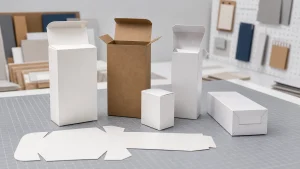
Circular packaging is packaging designed to have a low environmental impact. It encourages the reuse, recycling, and repurposing of materials, making it a critical component of a circular economy. Rather than creating packaging that will be discarded after a single use, circular packaging solutions aim to keep materials in use for longer.
By adopting circular packaging, your business can help reduce waste, save on material costs, and meet the growing consumer demand for sustainable options. Circular packaging also enables you to build a reputation as an eco-conscious brand, appealing to environmentally aware consumers.

Benefits of Circular Packaging: Why It Matters
1. Brings Sustainability
Circular packaging is an eco-friendly solution that reduces the environmental impact of packaging waste. By reusing materials or using compostable packaging, you help create a more sustainable supply chain, benefiting both the environment and your brand’s reputation.
2. Helps Reduce Costs
By using recyclable or compostable materials, you can significantly reduce the costs associated with packaging production and disposal. The efficient use of materials also reduces waste and lowers your operational expenses.
3. Offers a Competitive Advantage
More and more consumers are choosing brands that prioritize sustainability. By adopting circular packaging solutions, your business can stand out from the competition and attract a growing base of eco-conscious customers.
4. Improves Brand Image
Circular packaging helps you build trust with consumers who value sustainability. A study showed that 67% of consumers are more likely to support brands that are committed to environmentally friendly practices. By adopting circular packaging, you can enhance your brand image and strengthen customer loyalty.
5. Maintains Business in an Unstable Future
As environmental regulations continue to evolve, businesses that adopt circular packaging solutions will be better positioned to comply with new standards. By staying ahead of these changes, your company can maintain operations and stay relevant in an increasingly sustainability-focused market.
Circular Packaging Solutions for Your Business
So, how can you start implementing circular packaging for your business? Here are a few solutions to consider:
1. Replace Single-Use Plastics
One of the most impactful changes you can make is replacing single-use plastic packaging with compostable or recyclable alternatives. Materials like paperboard, glass, and metal are more sustainable and can be reused or recycled, helping to reduce your environmental footprint.
2. Engineer Packaging for Easy Recycling
Design your packaging so it can be easily recycled. Using biodegradable materials like cotton or wood can make it simpler for consumers to dispose of your packaging in an environmentally friendly way. Packaging that breaks down naturally without releasing harmful chemicals into the environment is a key element of circular packaging.
3. Reduce Packaging Materials
The less material you use in your packaging, the less waste you’ll produce. By minimizing the amount of packaging material needed to protect your products, you can lower both production costs and environmental impact.
4. Recover for Reuse
Create systems that allow customers to return used packaging, which can then be cleaned, refurbished, and reused. Setting up such programs not only helps reduce waste but also strengthens customer engagement by encouraging them to participate in sustainable practices.
5. Provide Information About Recycling
Let your customers know how they can recycle or reuse your packaging. Providing clear instructions on how to dispose of packaging properly builds trust and encourages consumers to take part in your sustainability efforts.
Protecting Earth and Humanity
At the end of the day, the primary benefit of circular packaging is its ability to reduce waste and encourage sustainable practices. By designing packaging that is easily recyclable or reusable, you can minimize material wastage, improve recycling rates, and help reduce the environmental footprint of your products.
Circular packaging is not just about meeting current consumer expectations; it’s about taking responsibility for the future of the planet. The more businesses like yours embrace sustainable packaging practices, the better the world will be for future generations.
If you’re ready to take your brand to the next level and contribute to the circular economy, Pakoro can help. Visit our website at Pakoro.com to learn more about our sustainable packaging solutions or contact us at here. Let’s work together to create a greener future.