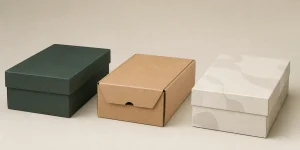
Cardboard is a ubiquitous material that touches nearly every aspect of modern life. From the boxes that deliver our online purchases to the packaging that protects our groceries, cardboard is a silent workhorse of the packaging industry. Despite its widespread use, many people know little about what is cardboard , its history, types, manufacturing process, and its environmental impact. This article delves into these aspects to provide a comprehensive understanding of cardboard, highlighting its importance and versatility in today’s world.
The History of Cardboard
Early Beginnings
The history of cardboard can be traced back to ancient China, where the first instances of paper-like materials were created using mulberry bark. However, it wasn’t until the 19th century that cardboard as we know it began to take shape. In 1817, the first commercial cardboard box was produced in England by Sir Malcolm Thornhill. This invention revolutionized packaging, offering a lightweight and durable alternative to wooden crates and barrels.
The Birth of Corrugated Cardboard
The next significant development came in 1871 when Albert Jones of New York patented corrugated paper, initially used for wrapping bottles and glass lantern chimneys. This invention provided enhanced strength and cushioning, making it ideal for packaging delicate items. In 1890, Robert Gair, a Scottish-born American, created the first prefabricated cardboard box. This innovation allowed for mass production of boxes, paving the way for the widespread use of cardboard in packaging.
Types of Cardboard
Corrugated Cardboard
Corrugated cardboard is the most common type used in packaging. It consists of a fluted corrugated sheet sandwiched between two flat linerboards. This structure gives it excellent strength and durability, making it ideal for shipping and storing goods. There are different grades of corrugated cardboard, varying in thickness and strength, to suit various applications.

Paperboard
Paperboard, also known as cardboard or cartonboard, is a thicker and more rigid form of paper. It is commonly used for smaller packaging applications such as cereal boxes, shoe boxes, and gift boxes. Paperboard can be coated or laminated to enhance its appearance and durability, making it suitable for high-quality packaging.

Greyboard
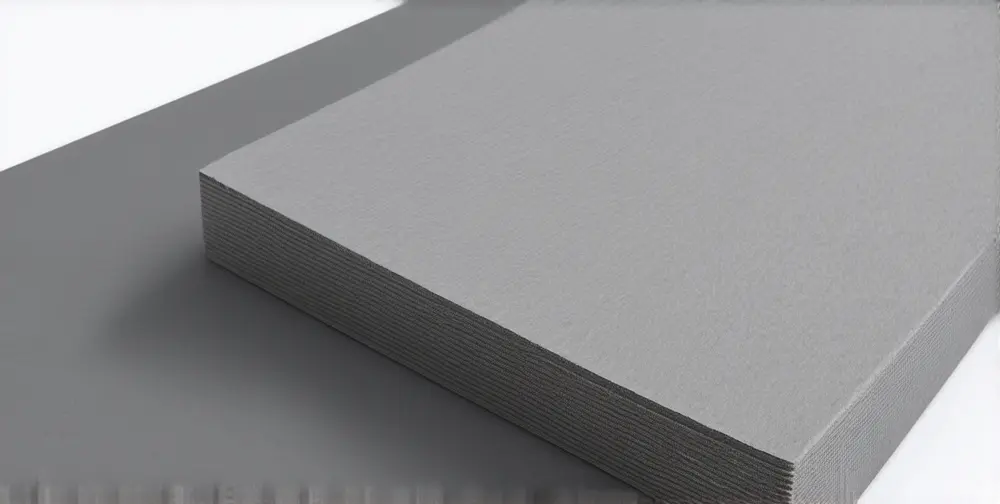
Greyboard is a type of paperboard made from recycled paper pulp. It is commonly used for making book covers, game boards, and other rigid items. Although less durable than corrugated cardboard, greyboard is favored for its recyclability and cost-effectiveness.
The Manufacturing Process
Pulping

The manufacturing process of cardboard begins with pulping, where raw materials such as wood chips, recycled paper, and water are combined and broken down into fibers. This pulp is then cleaned and refined to remove impurities.
Forming the Sheets

The pulp is spread onto a moving mesh screen to form a continuous sheet. This sheet is then pressed to remove excess water and passed through heated rollers to dry and bond the fibers together. The resulting paperboard or linerboard sheets are then wound into large rolls.
Corrugating and Assembly
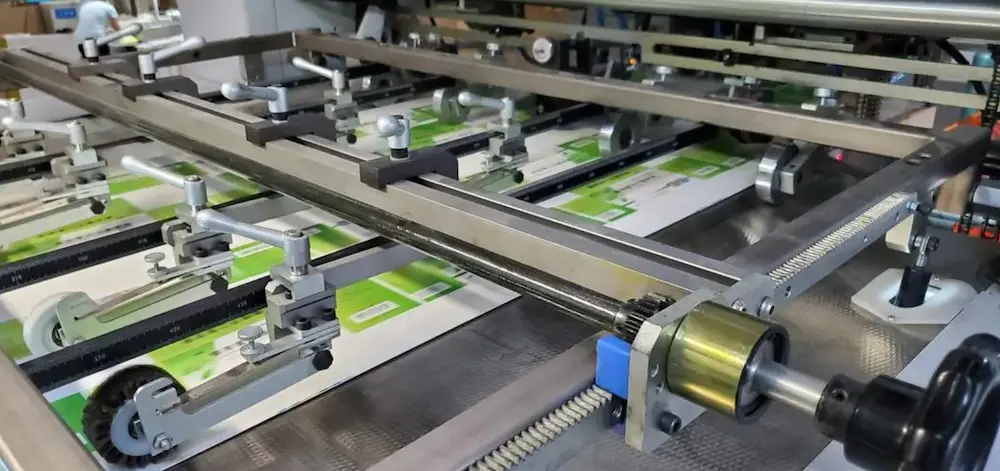
For corrugated cardboard, the next step is corrugation. The linerboard sheets are passed through corrugating machines, which create the characteristic fluted pattern. These fluted sheets are then glued between two flat linerboards to form the corrugated cardboard. The finished cardboard is cut into sheets or shaped into boxes using die-cutting machines.
Environmental Impact and Sustainability
Recycling and Reusability
One of the most significant advantages of cardboard is its recyclability. Cardboard is one of the most recycled materials globally, with a high recovery rate. Recycling cardboard reduces the need for virgin materials, conserves energy, and minimizes waste. Many cardboard products are also reusable, further extending their lifecycle and reducing environmental impact.
Sustainable Sourcing
Sustainable sourcing of raw materials is crucial for the cardboard industry. Many manufacturers now prioritize using responsibly sourced wood and recycled paper to produce cardboard. Certifications such as the Forest Stewardship Council (FSC) ensure that the materials used come from sustainably managed forests.
Biodegradability
Cardboard is biodegradable, meaning it can break down naturally in the environment without leaving harmful residues. This property makes it a more environmentally friendly option compared to plastic packaging, which can persist in the environment for hundreds of years.
Applications of Cardboard
Packaging and Shipping
The primary use of cardboard is in packaging and shipping. Its lightweight, strength, and versatility make it ideal for protecting goods during transit. Corrugated cardboard boxes are used to ship everything from electronics to perishables, while paperboard is used for consumer packaging such as food and cosmetics.
Storage Solutions
Cardboard is also widely used for storage solutions. From archive boxes to wardrobe boxes, cardboard offers a practical and affordable way to store items. Its stackability and ease of labeling make it a favorite in both homes and businesses.
Creative and Artistic Uses
Beyond its practical applications, cardboard has found a place in the world of art and design. Artists and designers use cardboard to create sculptures, furniture, and even architectural models. Its workability and availability make it an accessible medium for creative expression.
The Future of Cardboard
Innovations in Cardboard Technology
The cardboard industry is continually evolving, with innovations aimed at improving strength, reducing weight, and enhancing sustainability. Advances in nanotechnology and bio-based coatings are paving the way for more durable and environmentally friendly cardboard products.
Circular Economy
The concept of a circular economy, where materials are continuously reused and recycled, is gaining traction in the cardboard industry. Companies are increasingly adopting circular practices, designing products for longevity and recyclability, and investing in recycling infrastructure.
Digital Printing
Digital printing technology is transforming the cardboard packaging industry, allowing for high-quality, customizable prints on packaging. This innovation not only enhances the aesthetic appeal of cardboard products but also enables brands to create personalized packaging for their customers.
The Benefits of Cardboard
Cost-Effectiveness
Cardboard is a cost-effective material, both in terms of production and transportation. Its lightweight nature reduces shipping costs, while its abundance and recyclability keep manufacturing costs low.
Versatility
The versatility of cardboard is one of its greatest strengths. It can be easily cut, folded, and shaped to create a wide range of products, from simple boxes to complex display stands. This adaptability makes it suitable for various industries and applications.
Protection and Durability
Cardboard offers excellent protection for goods during transit. Its strength and cushioning properties help to prevent damage, ensuring that products reach their destination in good condition. Corrugated cardboard, in particular, is known for its durability and ability to withstand rough handling.
Environmental Benefits
As mentioned earlier, cardboard is highly recyclable and biodegradable, making it an environmentally friendly choice. Its sustainable sourcing and production processes further enhance its eco-friendly credentials. By choosing cardboard over plastic or other non-recyclable materials, companies can reduce their environmental footprint.