Are you looking for a packaging solution that’s both practical and kind to our planet?
Cornstarch packaging might be just what you need!
It’s one of the most eco-friendly and sustainable options available today.
Let’s dive into why cornstarch packaging is gaining popularity and how it can benefit your business.

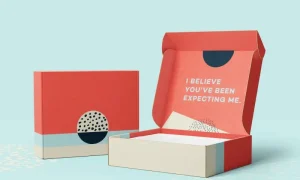
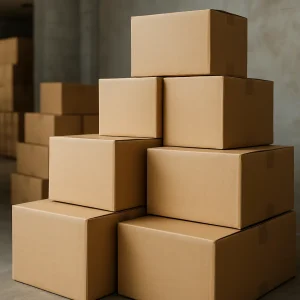
Various types of cornstarch packaging solutions offered by Pakoro.
What is Cornstarch Packaging? Understanding the Basics
Cornstarch packaging is a biodegradable material made from cornstarch, sugar (or glycerin), and water.
Unlike traditional plastics and polystyrene, cornstarch packaging breaks down naturally without harming the environment.
It’s a great choice for businesses that want to reduce their carbon footprint and support a greener future.
This type of packaging is especially popular for food-on-the-go items because it’s safe and durable.
Learn more about our sustainable packaging options at Pakoro.
How is Cornstarch Packaging Made?
Making cornstarch packaging is a simple yet eco-friendly process:
- Mix Ingredients: Cornstarch, sugar (or glycerin), and water are combined.
- Fermentation: The mixture undergoes fermentation, where it breaks down chemically.
- Molding: The mixture is shaped into packaging forms.
- Cooling: The packaging sets as it cools down.
This process produces fewer greenhouse gases, making it better for the environment compared to traditional packaging methods.

Key Pros and Cons of Cornstarch Packaging
Benefits of Cornstarch Packaging
- 100% Biodegradable: Cornstarch packaging breaks down naturally within 90 days when disposed of correctly. This means it won’t linger in the environment like plastic.
- 100% Recyclable: It can be remade into new materials, reducing landfill waste and pollution.
- Non-Toxic: There are no harmful chemicals involved, making it safe for food packaging and reducing the risk of cross-contamination.
- Carbon Emission Reduction: Producing cornstarch packaging doesn’t generate high levels of carbon emissions, helping to lower your business’s carbon footprint.
Challenges and Limitations of Cornstarch Packaging
- Infrastructure: Many businesses don’t yet have the systems in place to support cornstarch packaging. However, as more companies adopt it, infrastructure will likely improve.
- Recycling Issues: Cornstarch packaging must be disposed of correctly. If it ends up in landfills, it can’t biodegrade properly.
- Moisture Sensitivity: While great for dry foods, cornstarch packaging can become soggy if exposed to too much moisture.
- High Production Costs: It can be more expensive to produce, which might be a challenge for small businesses or startups.

Why You Should Switch to Cornstarch Packaging
Switching to cornstarch packaging offers several advantages:
- Enhance Your Brand Image: Showing that you care about the environment can impress your customers and attract eco-conscious consumers.
- Environmental Contribution: Reduce waste and carbon emissions by using biodegradable and compostable materials.
- Regulatory Compliance: Meet food safety regulations easily since cornstarch packaging doesn’t contain harmful toxins.
- Meet Consumer Demand: More people are looking for sustainable products. Using cornstarch packaging aligns your business with these values and meets customer expectations.
Explore our eco-friendly packaging solutions to make the switch today!
How to Recycle Cornstarch Packaging
Proper recycling is crucial to ensure cornstarch packaging benefits the environment. Here’s how to do it:
- Check the Label: Look for packaging marked as PLA (polylactic acid). This indicates it’s biodegradable and compostable.
- Separate It: Keep cornstarch packaging separate from regular recyclables to avoid contamination.
- Local Rules: Find out your local recycling guidelines to ensure you’re disposing of it correctly.
- Take to a Recycling Center: If your area doesn’t accept it in regular recycling, take it to a designated recycling or composting facility.
For more recycling tips, visit Pakoro’s Recycling Guide or contact our support team.

Final Thoughts
Cornstarch packaging is a fantastic way to make your business more eco-friendly.
It’s a sustainable alternative to plastic, offering benefits like biodegradability, recyclability, and safety for food products.
By choosing cornstarch packaging, you’re not only helping the environment but also meeting the growing demand for sustainable products.
It’s a smart move for any business looking to go green and appeal to conscious consumers.
Caption: Diverse cornstarch packaging options available at Pakoro.
FAQs on Cornstarch Packaging
Can biodegradable cornstarch packaging go anywhere?
Yes, but it’s important to dispose of it correctly. Proper disposal ensures it breaks down quickly and doesn’t end up in landfills.
Is cornstarch packaging good for food packaging?
Absolutely! It’s safe for food because it doesn’t produce harmful toxins or chemicals, reducing the risk of cross-contamination.
Is cornstarch packaging compostable?
Yes! Cornstarch packaging is biodegradable, carbon neutral, and compostable when disposed of properly. It breaks down quickly and enriches the soil as compost.

Conclusion: Make the Green Choice Today!
Switching to cornstarch packaging is not just a trend—it’s a commitment to a healthier planet and a sustainable future.
At Pakoro, we offer a range of eco-friendly packaging solutions tailored to meet your business needs.
Don’t wait to make a positive impact. Contact us today at Pakoro Contact to start your journey towards sustainable packaging and join countless businesses in protecting our environment for future generations.
Take action now and explore our packaging options to find the perfect solution for your business!