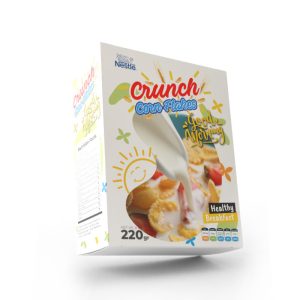
Have you ever noticed how a label on a product can make you feel like you know it just a bit better?
Maybe it’s the carefully chosen colors, the bold brand name, or the way it tells you exactly what you need to know about what’s inside.
Labeling is more than just words on a box; it’s a crucial part of a product’s identity, helping it stand out on a crowded shelf while sharing all the essential information consumers need.
In the world of packaging, labeling is one of the most important factors that can influence customer perception, trust, and buying decisions.
But what is labeling in packaging, and why does it matter so much?
What Does Labeling Mean in Packaging?
Labeling in packaging refers to the display of all essential product information on the packaging itself.
Labels serve as a quick, easy reference point that gives consumers details about a product’s ingredients, origin, usage, and even the brand’s values.
In essence, labeling is a tool to communicate directly with the consumer, making products more accessible and familiar.
Properly executed labels enhance brand visibility, meet regulatory requirements, and build trust with consumers.
Key Purposes of Labeling in Packaging
1. Product Identification and Brand Recognition
At its core, labeling helps consumers identify what a product is and who made it.
With so many options available, a strong, recognizable label can set a product apart, helping it stand out.
Elements such as logos, brand colors, and font choices are critical in making a product instantly recognizable.
Think of iconic brands whose labels you could recognize even without seeing the entire product—that’s effective brand recognition at work.
2. Providing Necessary Information
A primary function of a label is to inform consumers about what’s inside the package.
This can include a list of ingredients, instructions for use, expiration dates, safety warnings, and other necessary details.
These elements give consumers the confidence to purchase, especially when they have specific needs or preferences, such as allergy concerns or dietary requirements.
3. Legal and Regulatory Compliance
Labels aren’t just for looks; they also fulfill important legal requirements.
Regulatory agencies often mandate that specific information, such as nutritional facts for food items, safety warnings for electronics, or certifications for organic products, be clearly displayed on packaging.
Compliance with these requirements protects both the consumer and the brand by ensuring transparency.
4. Enhancing Shelf Appeal
In addition to functionality, labels contribute significantly to a product’s aesthetic appeal.
A visually appealing label can attract attention, pique curiosity, and encourage a closer look. F
rom the choice of colors and typography to the material and finish, every detail of a label can impact a product’s visual impression.
Attractive, well-designed labels often contribute to a product’s desirability and perceived value.
5. Connecting Emotionally with Consumers
Beyond information, labels can also be used to create an emotional connection.
Whether it’s through a humorous tagline, an inspiring message, or an elegant design, labels can resonate with consumers on a personal level.
When brands connect emotionally, they often gain loyal customers who feel a deeper attachment to the product.
Types of Labels in Packaging
Labeling isn’t one-size-fits-all. Different types of labels serve distinct purposes and are used across various product categories:
- Brand Labels: These focus primarily on brand identification, displaying the logo and brand name prominently.
- Descriptive Labels: A common type of label that provides detailed information about the product, such as usage instructions, ingredient lists, and safety precautions.
- Grade Labels: Often seen in industries like food and electronics, grade labels indicate the quality or standards a product meets.
- Promotional Labels: Used to draw attention to specific features like “New and Improved,” “Limited Edition,” or sales and discounts.
Elements of an Effective Label Design
Creating a label that balances function and aesthetics is an art. Here are key elements that can make a label both effective and appealing:
- Readability: Text should be legible and concise. Avoid clutter and use fonts that are easy to read, especially for critical information.
- Visual Hierarchy: Important details, like the brand name and key benefits, should stand out. Using different font sizes and weights can help establish a clear hierarchy.
- Material and Finish: Matte or glossy, textured or smooth—choosing the right label material and finish can make a big difference in how the label feels and looks.
- Color and Imagery: Colors should align with the brand and product type. Imagery can be used strategically to convey themes or ingredients (e.g., a fresh fruit image on a juice bottle).
- Consistency with Branding: Ensure the label aligns with the brand’s overall look and feel, creating a cohesive experience across all products.
The Impact of Labeling on Consumer Choices
For consumers, labels are a quick way to make sense of unfamiliar products, assess quality, and decide on purchases.
Studies have shown that consumers often make decisions within seconds, relying on visual cues like labels to help make quick, confident choices.
When a label combines clear information with an attractive design, it not only draws the consumer’s attention but can also foster trust, making them more likely to buy.
Innovations in Labeling: What’s New?
Labeling is an evolving field, with brands constantly seeking innovative ways to engage consumers. Here are some of the recent trends:
- Interactive Labels: With QR codes or augmented reality (AR) features, labels are now taking consumers beyond the physical packaging to online spaces where they can learn more, watch videos, or engage with the brand.
- Eco-Friendly Labels: As sustainability becomes a priority, brands are shifting to biodegradable or recyclable labels to minimize environmental impact.
- Personalized Labels: Some brands allow consumers to personalize their products with custom labels, adding a touch of individuality to their purchase experience.
Labeling is more than just an add-on to packaging—it’s an essential tool that communicates directly with the consumer, conveys brand values, and enhances the user experience.
In a market where visual appeal and transparency are increasingly valued, labels serve as a product’s first impression and ongoing ambassador, influencing how consumers perceive, interact with, and ultimately choose products.
So, next time you see an eye-catching label, take a moment to appreciate the thought and strategy behind it—it’s doing a lot more than meets the eye!