Are you struggling to decide between Litho Lamination (Offset Printing) and Digital Printing for your next packaging or retail display project? You’re not alone. In fact, this is one of the most common questions in the printing world. In this blog, you’ll learn how each printing process works, their pros and cons, and how you can pick the perfect solution for your business. By the time you finish reading, you’ll know precisely which method offers the best balance of quality, cost, lead time, and flexibility.
Quick Comparison Table
To help you discover the best solution in seconds, here’s a brief table that highlights the main features of Litho Lamination (Offset Printing) versus Digital Printing. If you’re short on time or want a quick reference, this snapshot might be all you need.
| Criteria | Litho Lamination (Offset Printing) | Digital Printing |
|---|---|---|
| Setup Costs | Higher (requires printing plates, specialized tooling) | Lower (no plates or special tooling needed) |
| Lead Time | Longer (plate creation + lamination) | Faster (direct-to-corrugate, no plates) |
| Best For | Large-volume, single-design runs | Short runs, variable designs, seasonal promotions |
| Color Gamut | Smaller (traditional CMYK, stable but less vibrant) | Expanded (often includes orange, blue, green for vivid colors) |
| Customization | Limited (no variable data without new plates) | Unlimited (variable data, mass personalization) |
| Cost Efficiency | Better at extremely high volumes of the same design | Better for short runs or frequent design changes |
| Surface Compatibility | Excellent for pre-printed sheets (then laminated) | Depends on printer, but most corrugated materials are suitable |
| Environmental Consideration | Potentially more waste in large setups or plate creation | Often more eco-friendly (less waste, on-demand printing) |
Please note that this comparison is a general guide. Your project needs may vary. If you want the deeper explanation, keep reading. You’ll find a comprehensive breakdown of how each printing process works and which circumstances call for one over the other.
1. Why Your Printing Decision Matters
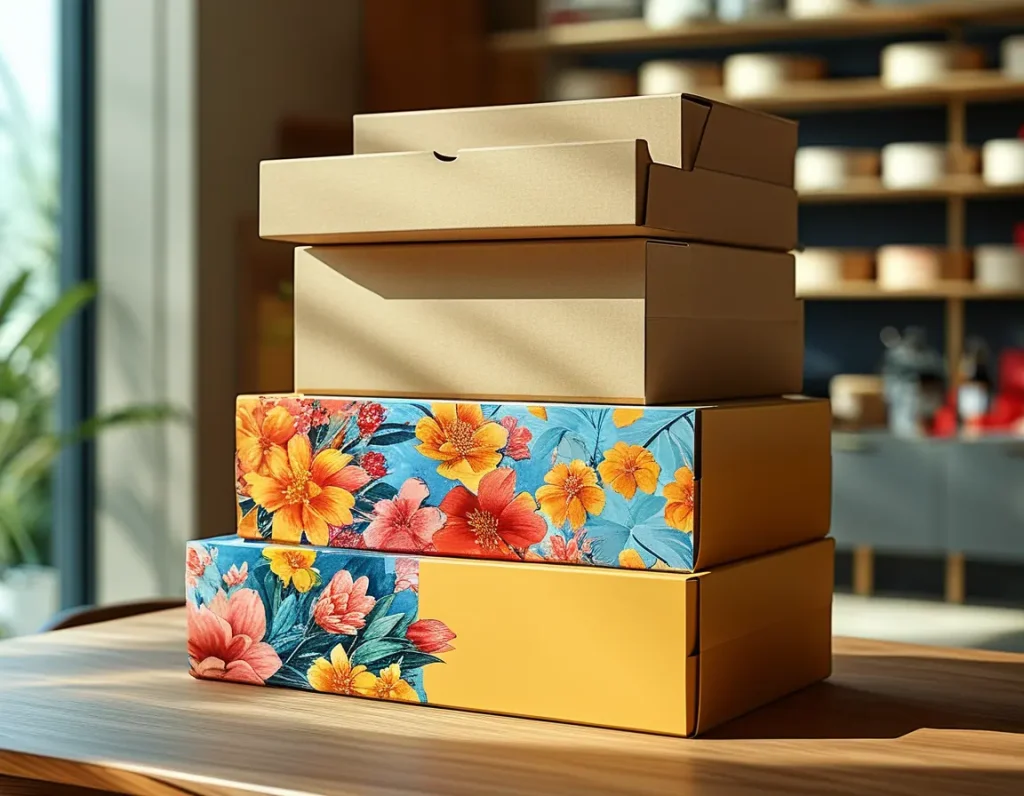
You might be wondering: Why does choosing between Litho and Digital Printing matter so much for corrugated packaging and retail displays?
The truth is, your printing method impacts everything from brand perception to your bottom line. When you choose Litho Lamination (also called Offset Printing) for large, single-design runs, you benefit from cost savings due to economies of scale. On the other hand, if you need seasonal promotions, rapid updates, or multiple product variations, Digital Printing might save you time, money, and headaches.
Furthermore, the design possibilities expand dramatically with Digital Printing, letting you run variable data or tailor a design to a niche audience. If you skip that flexibility, you might miss key marketing opportunities. In a fast-moving retail environment, you want to catch every advantage.
Finally, consider how your packaging or display looks on store shelves. You want crisp colors, striking visuals, and a durable finish. If those are your top priorities, exploring the right print method is essential. Are you ready to see how each one stacks up?
2. Litho Lamination (Offset Printing): The Traditional Powerhouse
1. Concept and Basic Principles
Litho Lamination is a method that many refer to as Offset Printing. It’s a classic process where a pre-printed sheet (often a paper liner board) is laminated onto corrugated paper or other substrates. You might think of it as printing on a flat piece of paper first and then gluing it to the corrugated layer afterward.

The printing itself uses the principle of oil and water repelling each other. You have two plates:
- A positive plate that attracts ink (oil-based)
- A negative plate that retains water and repels ink
The image transfers via rubber rollers, ultimately depositing your graphics onto the surface. Because each color (Cyan, Magenta, Yellow, Black) typically requires its own plate, the setup phase can be time-consuming and costly. However, once everything is in place, the speed and consistency can be impressive, especially if you’re producing thousands or even tens of thousands of the same design.
Key Terms:
- Plate: A metal or polymer sheet etched with your design
- Lamination: The process of adhering the printed sheet to the corrugated layer
- CMYK: The four primary printing colors – Cyan, Magenta, Yellow, and Black
2. Litho Printing Advantages

When you consider Litho Lamination for your corrugated packaging or retail displays, you’ll find some significant advantages:
- Superior Consistency for Long Runs
If you’re printing a large volume of a single design, Litho excels at delivering uniform color and quality over the entire run. You won’t see color drift or inconsistencies that sometimes occur with other methods. - High-Resolution Graphics
The printed sheet is created on high-quality paper before it’s laminated. That method can result in sharp images, fine details, and a polished final appearance. If you need intricate branding elements, Litho can handle it. - Cost Decreases as Quantity Grows
The upfront costs—such as making the plates—are typically more expensive. However, the per-unit cost gets lower as you increase your order size. Once your plates and lamination setup are ready, you can run vast quantities efficiently. - Stable Process for Demanding Designs
Because it’s a tried-and-true technology, Litho is often regarded as one of the most stable and trusted methods for mass production. If your brand can’t compromise on color matching and you require top-notch visuals for the same design, Litho is a strong contender.
3. Where Litho Falls Short
Despite these benefits, Litho Lamination does have drawbacks:
- High Setup Cost: Before you can print a single box, you’ll invest time and money in plate creation. If you’re producing small quantities or multiple designs, these costs can skyrocket.
- Longer Turnaround: The plate-making, proofing, and lamination steps add up. If you’re on a tight timeline or frequently change designs, you might find these delays frustrating.
- Limited Customization: Want variable data or different designs for different SKUs in the same run? That will require multiple sets of plates or separate runs. Litho isn’t friendly to frequent design changes.
- Narrow Color Gamut: You can achieve beautiful results with CMYK, but you won’t easily print extra spot colors (like neon or metallic) without special plates. Digital often supports expanded color sets more effortlessly.
3. Digital Printing: The Modern Trailblazer
1. Concept and Basic Principles
Digital Printing lets you print your designs directly onto the corrugated substrate without the need for plates. It’s a “click-and-print” approach: you prepare your artwork on a computer, upload it to the press, and start producing boxes or displays immediately. This technology often uses UV-curable or other specialized inks that dry almost instantly, making it incredibly convenient.
Some systems use Single-Pass technology, which applies each color in one go. Instead of multiple stations for each ink, a single station with multiple printheads can manage the entire process. That means faster turnaround times, easy design changes, and on-demand printing.

Key Terms:
- Single-Pass: The media passes under the printheads just once
- UV Inks: Ultraviolet-curable inks that set quickly for immediate handling
- Variable Data Printing (VDP): Customizing each printed piece with unique text, images, or codes
2. Digital Printing Advantages
- No Plates, Lower Setup Costs
Digital Printing removes the need for mechanical plates, drastically reducing the upfront investment. This advantage becomes even more notable if you need smaller batches or you plan to change artwork frequently. - Perfect for Short Runs and Frequent Design Updates
Suppose you want to run 500 boxes with a spring-themed design and then switch to 500 more with a summer-themed design. With Digital Printing, you simply upload a new file. The printing press doesn’t need retooling or fresh plates, so you save both time and money. - Variable Data Printing (VDP)
If personalization or market-specific messaging matters to you, digital is a game-changer. You can print individualized promotions, unique QR codes, or tailor content for different regions—all in one production run. That level of customization opens new marketing doors. - Expanded Color Gamut
Many modern digital presses include extra inks like orange, green, or blue. These are often referred to as “extended gamut” color systems. You’ll see more vibrant and consistent color reproduction. If your brand colors are difficult to match in standard CMYK, digital might handle them better. - Faster Turnaround
With no plates to create and minimal setup, you can turn around a design quickly. That gives you incredible flexibility when reacting to market trends, seasonal promotions, or unexpected changes in your product line.
3. Where Digital Falls Short
Digital Printing is an excellent option, but you should note certain downsides:
- Cost at Large Volumes: When you print very large quantities of the exact same design, digital can be more expensive on a per-unit basis. The cost advantage flips in favor of Litho as volumes rise.
- Surface Limitations: While many corrugated substrates accept digital inks well, not all surfaces are ideal. You’ll want to test specialty materials or unusual coatings to ensure compatibility.
- Potential Equipment Constraints: If you need an extremely wide format or specialized finishing, you might discover that only certain digital presses can handle your job. Always check printer specifications.
4. Litho vs Digital Printing: A Side-by-Side Analysis
Now that you understand the basics of Litho Lamination and Digital Printing, let’s compare them in more detail. Remember that your situation is unique, so consider factors like project scope, design complexity, and budget constraints.
1. Production Timeline
- Litho Lamination: You’ll need extra time for creating plates and completing the lamination stage. This process can take weeks before you see a final product.
- Digital Printing: You can move from design to final print in a matter of days, or even hours, depending on your provider’s capacity and your project’s complexity.
Verdict: If speed is your top priority, digital wins. However, if you plan well in advance and anticipate a single design for a long campaign, Litho is still a strong contender.
2. Cost Structure
- Litho Lamination: High setup fees. Cheap per-piece cost once you reach high volumes.
- Digital Printing: Low setup costs, but per-piece cost doesn’t drop as dramatically with high volumes.
Verdict: If you’re producing tens of thousands of the same design, Litho’s economy of scale could yield significant savings. If you need frequent design changes or short runs, digital’s cost structure is more favorable.
3. Customization Flexibility
- Litho Lamination: You can retool the design by making new plates, but that’s expensive and time-intensive. Not ideal for multiple SKUs in one batch.
- Digital Printing: You can alter artwork on the fly. You can also combine multiple designs in the same run. Variable data features allow you to create truly personalized packaging.
Verdict: If customization, variable data printing, or multiple versions matter, digital is the clear champion.
4. Print Quality and Color Range
- Litho Lamination: Produces stable, high-quality results. However, it relies on the traditional CMYK or additional spot colors, which can be costly to add.
- Digital Printing: Expanded gamut inks can lead to brighter and more accurate brand colors. Immediate drying with UV or similar technology preserves vibrancy.
Verdict: Both methods achieve excellent quality, but digital’s extended color sets can outshine Litho if you want especially vivid or complex color gradients.
5. Sustainability Factors
- Litho Lamination: Requires multiple steps, from plate production to lamination, which can create more waste. Overruns are common because once you set up your plates, it’s efficient to run large volumes.
- Digital Printing: Minimal setup means you only print as many as you need, reducing excess production. Some digital inks and processes also have lower environmental impact, especially when waterless or UV-based.
Verdict: Digital Printing generally offers a more eco-friendly approach for short runs or on-demand production. However, if you’re printing a massive quantity of a single design, Litho might be more resource-efficient in the long run because per-piece energy usage could be lower.
5. Application Scenarios and Strategic Recommendations
Choosing between Litho vs Digital Printing depends on your brand’s specific needs. Here are a few real-world scenarios to help you decide.
Scenario 1: Single Design, Large Volume
Imagine you’re a beverage brand launching a national campaign with one standard design for all boxes. You need 100,000 units. Cost savings and consistent color matter most.
- Recommendation: Go with Litho Lamination. You’ll pay more upfront for plates, but your cost per unit will drop significantly, and you’ll enjoy consistent quality across the entire run.
Scenario 2: Multiple SKUs, Short Runs
Let’s say you have four product variants, each needing 2,000 boxes, and you’re planning future expansions. You might also want special holiday-themed boxes later.
- Recommendation: Digital Printing is your best bet. You’ll avoid repeated plate fees, and you can switch designs instantly for seasonal or promotional runs. Each SKU can have its unique branding without ballooning your budget.
Scenario 3: Rapid Marketing Response
Your marketing team needs to pivot fast. Perhaps you want to feature a new discount code or highlight a social media campaign that just launched. Delays could mean losing momentum.
- Recommendation: Digital Printing, hands down. Quick changes are possible because you skip plate creation. You upload new artwork and print. This agility lets you respond to trends or competitor moves without missing a beat.
Scenario 4: High-End Branding with Complex Artwork
You run a luxury brand that demands impeccable detail and perfect color matching. You’re willing to invest in the highest print quality.
- Recommendation: Both methods can deliver top-notch visuals, so your decision hinges on volume and customization. If you plan to print large quantities of the same design, Litho might be more cost-effective. If you want ongoing design updates with the utmost flexibility, Digital might be worth the investment for extended gamut inks and rapid design changes.
6. Harness the Power of Printing Technologies
1. How Digital Printing Propels Customization
Digital Printing isn’t just a technology. It’s a strategic marketing tool. You can:
- Personalize Packaging: Include customer names or region-specific slogans on your boxes.
- Add Seasonal Flair: Switch from holiday themes to summer promotions without a second thought.
- Optimize Inventory: Print only what you need, reducing storage costs and waste.
This personalization approach resonates with today’s consumers. They love seeing brands speak directly to them. Have you considered how a simple design tweak could lift sales and brand loyalty?

2. The Myth of Litho’s Inflexibility
Many people dismiss Litho Lamination as too “old-fashioned.” But you shouldn’t overlook its reliability and cost advantages when producing massive volumes. If your brand thrives on uniform packaging, or you predict no major design changes in the near future, Litho might offer the perfect balance of professionalism and ROI.
Sure, it lacks the immediate flexibility of digital. Yet, if your brand strategy emphasizes repetition and consistency, you can maximize that. Instead of viewing Litho as inflexible, think of it as a specialized solution for certain large-scale scenarios.
7. Budget, Timeline, and Design Complexity: The Three Pillars of Decision-Making
When you’re deciding between Litho vs Digital Printing, focus on three primary factors: Budget, Timeline, and Design Complexity.
- Budget
- If your budget allows for higher upfront costs and you need big quantities, Litho can yield savings in the long term.
- If you’re tight on funds or prefer to spread out your costs over multiple smaller runs, Digital may prove more manageable.
- Timeline
- For immediate launches, promotional tie-ins, or anything that requires quick updates, Digital is nearly unbeatable.
- If your campaign timeline is set well in advance, you can leverage Litho to get large quantities at a better per-unit price.
- Design Complexity
- If you’re printing one design for a six-month campaign, Litho is a stable option.
- If your marketing plan calls for frequent brand refreshes, new SKUs, or custom codes, Digital is the clear winner.
Would you prefer to print 500 boxes as a test run before committing to a full campaign? Would you like to do “just-in-time” printing to keep inventory lean? If so, you’ll see enormous advantages with Digital. If that doesn’t match your business model, Litho could be the simpler choice.
8. Key Takeaways: Who Benefits Most from Each Method?
Litho Lamination / Offset Printing:
- You run large, steady campaigns that won’t change for months or years.
- You want to reduce per-unit cost across massive order volumes.
- You value consistency, durability, and the tried-and-true approach of offset printing.
- You can handle the upfront wait while plates are made and lamination is done.
Digital Printing:
- You need short runs, frequent design updates, or multiple SKUs.
- You want quick turnaround and the freedom to launch new promotions on-demand.
- You crave advanced color options or variable data printing capabilities.
- You prioritize minimizing waste, inventory, and environmental impact.
9. Frequently Asked Questions (FAQ)
To clarify even further, here are answers to some common questions you might have:
- Is digital printing suitable for all types of corrugated packaging?
In most cases, yes. Modern digital presses can handle a wide variety of corrugated materials. However, extremely textured or specialty surfaces should be tested beforehand. - How does UV ink compare to water-based ink for digital printing?
UV inks dry instantly and often deliver more vibrant color. Water-based inks can be more eco-friendly in some contexts, but they may require longer drying times. The right choice depends on your brand’s sustainability goals and specific substrate needs. - Can I achieve the same high-gloss or premium finishes with digital printing?
Absolutely. Many digital printers offer finishing options like spot varnishes, overcoats, or special treatments. You can also laminate post-print, similar to Litho, if you want specific textures or gloss effects. - Will there be a difference in resolution or image clarity between Litho and Digital?
Both methods can produce sharp images. Offset printing has historically been considered the gold standard for high-resolution details. But digital advancements now provide excellent clarity, especially at typical viewing distances for packaging or displays. - Which printing method is more sustainable?
Digital is often cited as more eco-friendly for small to mid-sized runs because it eliminates plate creation and reduces waste. However, if you run an extremely large quantity with few or no design changes, the resource usage per box may be lower with Litho. Ultimately, sustainability also depends on ink formulations, substrates, and shipping impacts.
10. Pakoro Offers All Printing Solutions
When you’re ready to transform your packaging or retail displays, you don’t want to navigate these decisions alone. We at Pakoro offer both Litho Lamination and Digital Printing solutions under one roof. You can count on our award-winning design team and cutting-edge presses to deliver top-tier corrugated packaging, exactly the way you envision it.
We guide you from concept to delivery, ensuring your packaging remains cost-effective, eye-catching, and on-brand. By partnering with us, you’ll avoid multiple vendor handoffs. Instead, you’ll enjoy a seamless, integrated design-to-production process.
How We Help You Decide
- Project Evaluation: We gather your specifications, including volume, design needs, and budget constraints.
- Sample and Testing: We can create small runs with digital printing, letting you see real prototypes.
- Cost Analysis: We’ll compare per-unit costs for Litho vs Digital, giving you the insight to choose confidently.
- Quality Assurance: Our advanced QC processes confirm color accuracy and print durability so your brand stands out.
Are you still unsure whether you should pick Litho or Digital? You can always chat with our packaging experts. We’ll help you weigh every factor from timing and design updates to brand consistency and total cost of ownership.
11. Conclusion: Your Next Steps
You’ve discovered the essential details about Litho Lamination (Offset Printing) and Digital Printing, from how they work to where they excel. Choosing the right method isn’t always a straightforward decision. You need to balance lead time, design flexibility, budget, and brand quality. Whether you aim to save on large volumes or harness cutting-edge customization, one of these printing methods can help you achieve that goal.
- If you want large volumes of a single design, Litho might be your ideal partner.
- If you crave fast turnarounds, variable designs, or frequent brand updates, Digital is practically unbeatable.
Ultimately, no single method is universally “best.” Instead, you should align your choice with the specific requirements of your product, marketing plan, and logistical constraints.
Remember: In an era where consumers notice every detail, your packaging can be a significant brand differentiator. By selecting the most suitable printing technique, you’ll not only strengthen your visual identity but also potentially boost your profit margins. A well-executed packaging strategy can lead to increased sales, brand loyalty, and market share.
12. Actionable Tips to Get Started Today
- Assess Your Volume and Timeline: Make a simple spreadsheet with your estimated quantities and deadlines. This quick assessment helps you see if Litho or Digital is more cost-effective based on unit needs and turnaround time.
- Consider Design Variations: Are you planning multiple SKUs, seasonal promotions, or special editions? If so, add a note for each design variation and quantity. This step helps you see how many plate sets you might need if you choose Litho.
- Request Physical Samples: Don’t hesitate to ask your printer for digital or litho-printed samples. By comparing them side-by-side, you’ll understand print quality, color vibrancy, and finish.
- Evaluate Post-Print Processes: Some packaging requires special coatings, embossing, or foil stamping. Confirm that your selected printing method supports these enhancements without extra complications or costs.
- Plan for Future Growth: If you expect your brand to evolve quickly, keep that in mind. Digital’s quick changeovers let you pivot fast. Litho can still play a role if your growth plan involves scaling a consistent design.
- Talk to an Expert: You don’t have to make this decision alone. Our Pakoro team is here to guide you toward the right solution for your unique situation. A quick conversation can save you from costly mistakes.
Final Thoughts
You’ve just taken a deep dive into Litho vs Digital Printing for corrugated packaging and retail displays. By now, you likely see that each method excels in distinct areas. Your mission is to pick the approach that aligns with your brand objectives, budget, and design scope.
Would you like immediate feedback on your idea or want to explore how short-run digital printing could drive your next retail campaign? Our friendly specialists are ready to help you determine the perfect fit. Don’t let your project stall when you can act now and get your packaging to market sooner.
Ready to talk? Reach out to Pakoro’s packaging experts today. We’ll give you unbiased advice and a personalized quote, ensuring you optimize every penny and every second. After all, your brand deserves nothing less than the best in packaging innovation.
“In a competitive market, your packaging must stand out and communicate your brand story instantly. By choosing the right printing method—Litho or Digital—you’ll build a strong impression from the very first glance.”
We invite you to connect with us. Together, we’ll turn your printing challenges into brilliant solutions that dazzle on store shelves. Let’s make your packaging vision a reality!