You’ve probably noticed that powder is messy and prone to leakage.
At the same time, customers now expect their packaging to be as green as the product itself.
This guide shows how you can protect your powder, elevate your brand and support the planet all at once by choosing paper tube packaging.
What powdered products need from packaging
Powder behaves differently from liquids or solids – it can leak, clump and pick up moisture.
Before you select a package, you must consider dust levels and how easily the powder flows.
Your packaging should also be cost‑effective, easy to open and reseal, and it must keep the powder safe during shipping.
Finally, don’t forget customer preferences and industry regulations; good packaging improves satisfaction and must comply with standards.

Explore custom packaging options for powder
Custom solutions allow you to match the package to your product and brand.
You can choose from a variety of sizes, shapes and materials, from pillow bags and sachets to rigid paper tubes.
A distinctive design helps your product stand out and lets you pick eco‑friendly materials that align with your sustainability goals.
Premium custom packaging also improves product safety during handling and transit; if you’re unsure which option is best, consulting experts like Pakoro can make your decision easier.

Modern powder packaging equipment
High‑quality powder packaging relies on specialised machinery.
Free‑flowing powders such as sugar need different handling from non‑flowing powders like cocoa.
Modern equipment includes automated filling machines for accurate dosing and sealing machines that ensure pouches are closed securely.
Investing in the right machinery helps maintain product consistency and reduces waste.

Compare packaging types for powder
Choosing the right container depends on your product’s needs and your brand positioning. Here’s a quick overview of common options:
| Packaging type | Key attributes |
|---|---|
| Paper tube | Recyclable, customisable and cost‑effective; can be upgraded with moisture‑resistant liners. |
| Flexible pouch/sachet | Lightweight, resealable and popular with consumers. |
| Plastic container | Durable and offers excellent barrier properties, but not eco‑friendly. |
| Glass jar | Premium look and recyclable, but fragile for long‑distance shipping. |
| Metal tin | Luxurious and sturdy, yet the most expensive option. |

How to choose the right packaging for your powder
Start by defining your branding goals and understanding your target customers.
Gather customer feedback and research your competitors.
A packaging expert can help you balance aesthetics, functionality and cost.
Remember to test prototypes so you can evaluate how the package performs and how it looks on the shelf.
What makes paper tube packaging special?
Paper tubes are hollow cylinders made from paperboard and fiberboard.
The thickness varies depending on the number of plies, which allows the tube to be tailored to different products.
The construction of a paper tube involves several layers:
- Inner liner – a cardboard or kraft paper layer that provides a strong base and can be coated for moisture or grease resistance.
- Reinforcement layers – additional plies of cardboard or kraft paper that increase thickness and absorb shocks during handling.
- Adhesive layer – water‑based glue bonds the paper layers, enhancing structural integrity.
- Outer covering – a kraft or laminated paper wrap that protects against dust and moisture while offering space for your design.

Different types of paper tube packages
Paper tubes come in various styles to suit different applications:
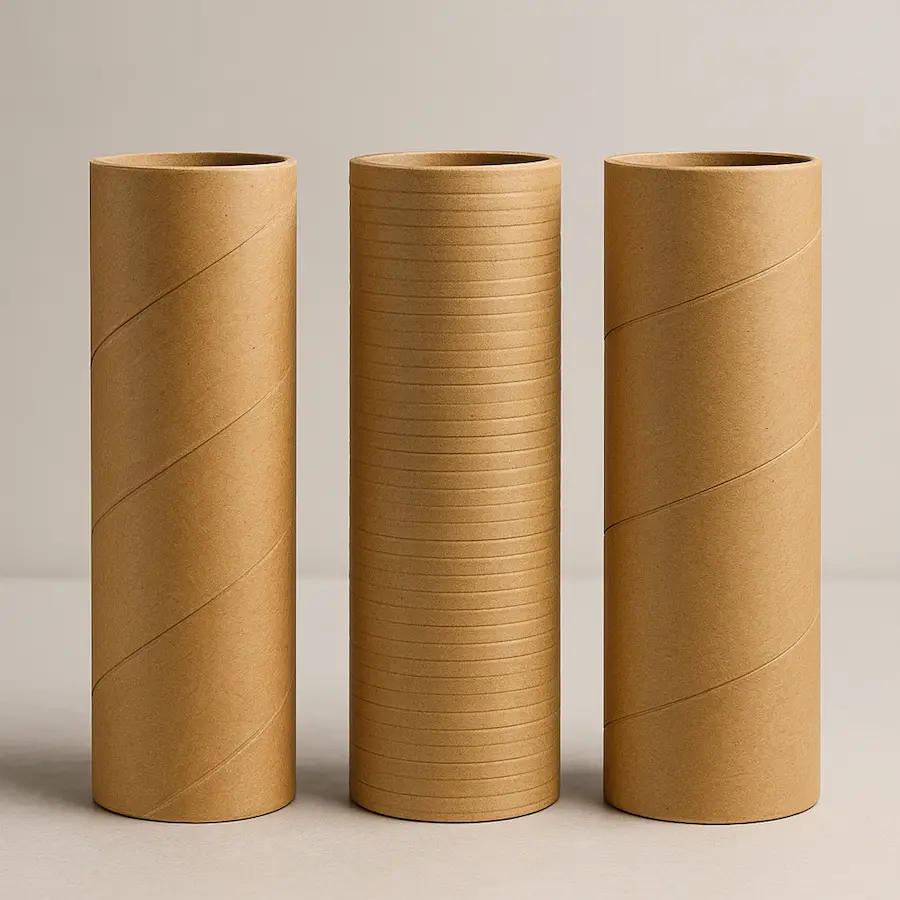
- Spiral wound tubes – plies are wrapped in a spiral pattern; these tubes are durable and used for packaging, mailing and storage.
- Sonotubes – heavy‑duty cylinders designed for high‑strength applications; they’re a cost‑effective alternative to metal.
- Wound tubes (parallel) – layers run parallel to the tube’s length, providing excellent resistance to damage; ideal for fragile or heavy items.
Why use paper tube packaging for powdered products?
Paper tubes stand out because they are sustainable and protective.
They’re made from natural materials and can be recycled, helping you minimise environmental impact.
Multiple layers shield the powder from dust and contaminants, keeping the contents fresh.
You can customise tube dimensions, printing and finishes to match your brand, and add extra coatings or lids for additional protection.

Applications across industries
Paper tubes are used in many sectors:
- Food powders – from protein to flour, paper tubes preserve freshness and allow single‑serve or multi‑portion designs.
- Cosmetics – dry shampoos and body powders benefit from lightweight, stylish tubes that enhance brand appeal.
- Industrial powders – tubes prevent leaks and contamination when transporting cement or cleaning agents.
- Health and wellness powders – supplements and vitamins require excellent moisture protection and custom sizing.

Advantages of paper tube packaging
Using paper tubes delivers several benefits beyond sustainability:
- Branding and market appeal – the sleek, modern look makes your product stand out.
- Eco‑conscious choice – signals to consumers that your brand values sustainability.
- Cost‑effective – paper tubes are affordable and can reduce shipping costs.
- Customised sizes – design single‑serve tubes or compartments for multiple powders.
- Durability – robust construction minimises product loss during storage or transit.
- Green initiatives compliance – helps meet environmental standards and initiatives.

Challenges and considerations
Paper tubes aren’t without challenges.
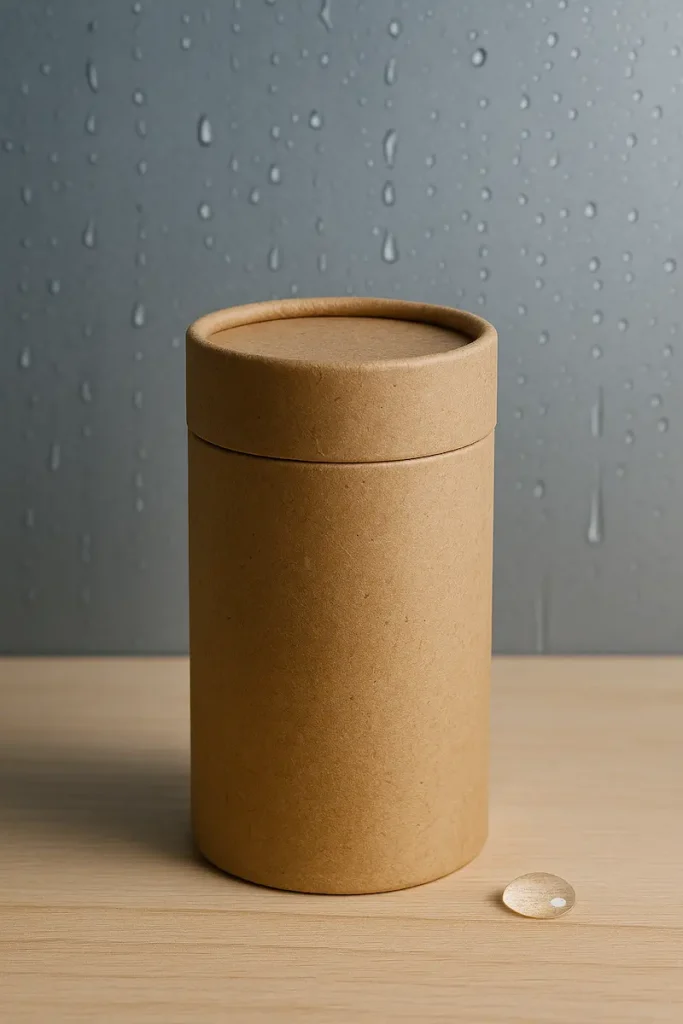
Powders are sensitive to humidity, so you may need moisture‑resistant liners or wax coatings to prevent clumping.
Packaging used for food and supplements must meet strict regulatory requirements, so ensure materials are FDA‑compliant and conduct quality tests.
Secure seals are essential to prevent leaks during transport; test closures under simulated shipping conditions.
Comparing paper tubes to other packaging options
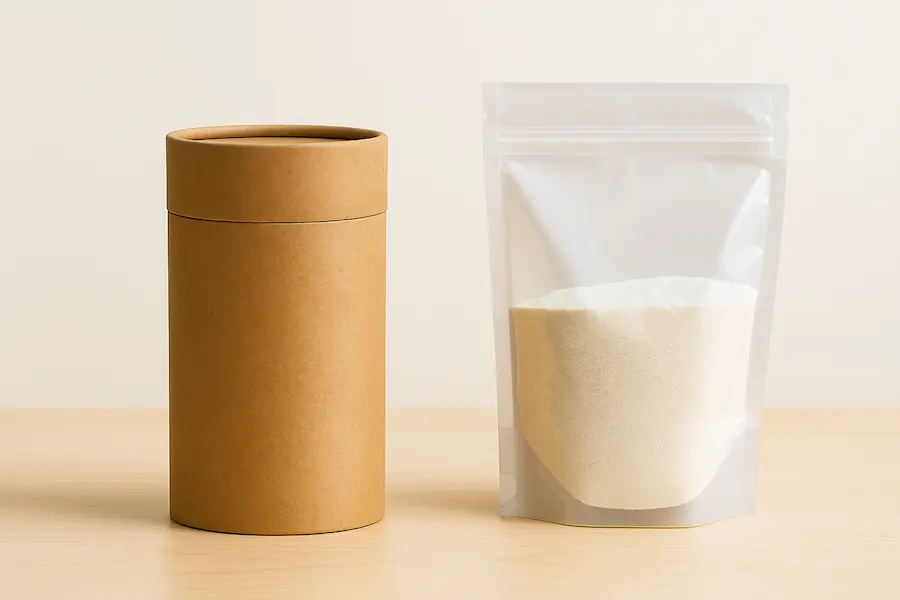
Paper tubes often outperform traditional containers. Unlike plastic, they’re made from renewable materials and are easier to recycle.
Glass jars are recyclable but fragile and unsuitable for long shipping.
Biodegradable pouches are lightweight but offer fewer customisation and protection options.
Metal tins are sturdy but expensive; paper tubes give a similar upscale feel at a lower cost.
Choosing the right paper tube manufacturer
Selecting a reliable partner is crucial. Look for a manufacturer with proven experience and certifications.
Ensure they are committed to eco‑friendly practices and can handle large orders while offering design flexibility.
When you start working together, share your product details and branding needs, review design concepts and request prototypes to test functionality and aesthetics.
Clarify lead times, printing quality and cost factors such as unique designs, bulk order discounts and material choices.

Conclusion and next steps
Paper tube packaging is an ideal solution for powder products. It offers excellent protection, helps safeguard against contamination and aligns your brand with sustainability.
While choosing the right package depends on your goals and budget, the benefits of paper tubes often outweigh other options.
You can customise the design, add creative printing and enhance customer satisfaction.
Ready to take the next step? Reach out to our team at Pakoro for a quote or free samples and let us help you create eco‑friendly packaging that speaks to your customers.
We’re here to guide you through every stage, from concept to production.