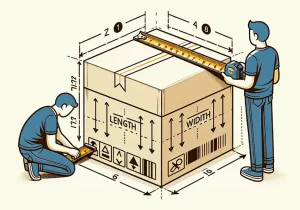
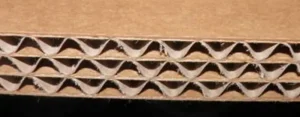
What is a 7 Ply Corrugated Box? A 7 ply corrugated box is a high-strength packaging solution designed for heavy-duty shipping and storage. It is typically produced by a professional shipping box manufacturer to ensure maximum strength, durability, and performance during transit. Unlike single-wall or double-wall boxes, it uses four liner sheets and three corrugated mediums, creating a seven-layer triple-wall structure, creating a rigid carton capable of handling heavy loads, fragile items, and long-distance shipping.
This advanced construction provides superior shock absorption, compression resistance, and stacking strength, making it ideal for industries that require durable and reliable packaging.
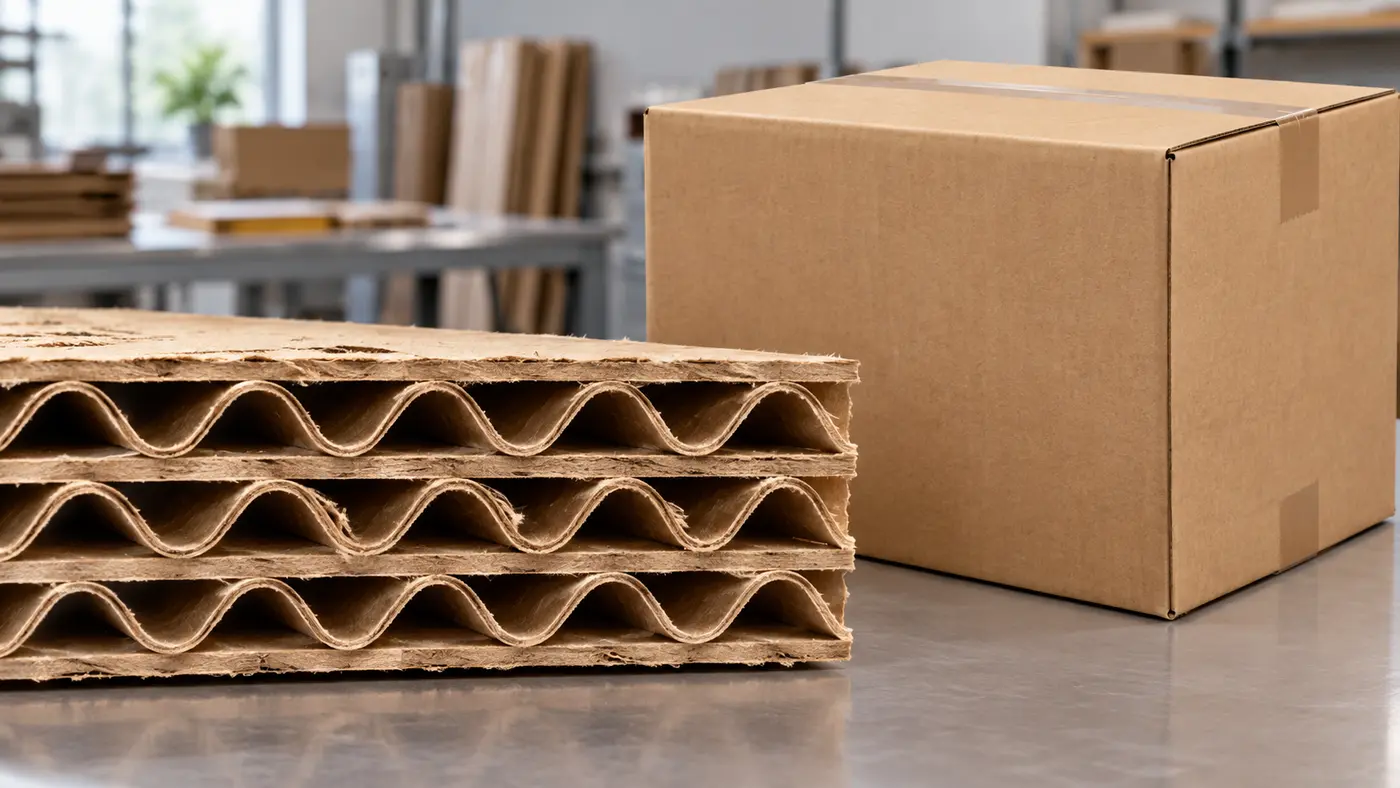
3-Ply vs 5-Ply vs 7-Ply Corrugated Boxes
| Construction | Typical Description | Buyer Consideration |
|---|---|---|
| 3-ply | Single wall: two liners and one fluted medium | Light products and shorter distribution cycles |
| 5-ply | Double wall: three liners and two fluted mediums | General export, stacking and medium-to-heavy loads |
| 7-ply | Triple wall: four liners and three fluted mediums | Large, heavy or fragile products needing higher rigidity |
Layer count alone does not determine performance. Paper grammage, flute combination, recycled-fiber content, moisture, box dimensions, joint method, product support and pallet pattern all affect compression strength. Specify the required packing performance and test method rather than ordering only by the phrase “7 ply.”
Why Choose 7 Ply Corrugated Boxes?
1. Exceptional Strength & Load Capacity
7 ply corrugated boxes are built for heavy-duty protection. With seven layers of kraft paperboard — including multiple flutes and liners — these boxes can handle very heavy or bulky products without bending, collapsing, or losing shape. Whether you’re shipping industrial machinery, automotive parts, or stacked pallets of goods, these boxes provide the structural integrity needed to safeguard your items.

2. Superior Transit Protection
The multi-layered design acts as a natural shock absorber, reducing the risk of damage from drops, impacts, or vibrations during shipping. This is especially important for fragile or valuable products, such as electronics, glassware, or medical equipment. Choosing 7 ply boxes ensures your products arrive intact and professional, reducing returns and customer complaints.
3. Stackable & Space-Efficient
Thanks to their rigidity and high compression resistance, 7 ply boxes can be safely stacked in warehouses, trucks, or shipping containers without crushing. This not only optimizes storage space but also reduces the risk of inventory damage during transit. For businesses shipping large quantities, this means lower logistical costs and safer delivery.
4. Cost-Effective Alternative to Wooden Crates
While wooden crates are traditionally used for heavy or industrial shipments, 7 ply corrugated boxes offer comparable strength at a fraction of the cost and weight. They are easier to handle, lighter to ship, and often recyclable, making them a more economical and eco-friendly choice without compromising on protection.
For businesses handling heavy or bulk shipments, working with an experienced shipping box manufacturer can help you optimize box structure while reducing overall packaging and shipping costs.
5. Environmentally Friendly Packaging
Most 7 ply corrugated boxes are made from recycled kraft paper and sustainable materials, supporting eco-conscious supply chains. They are fully recyclable, lightweight, and reduce the carbon footprint associated with shipping. Businesses can protect their products while aligning with sustainability goals, which is increasingly important for brand image and compliance with green packaging standards.
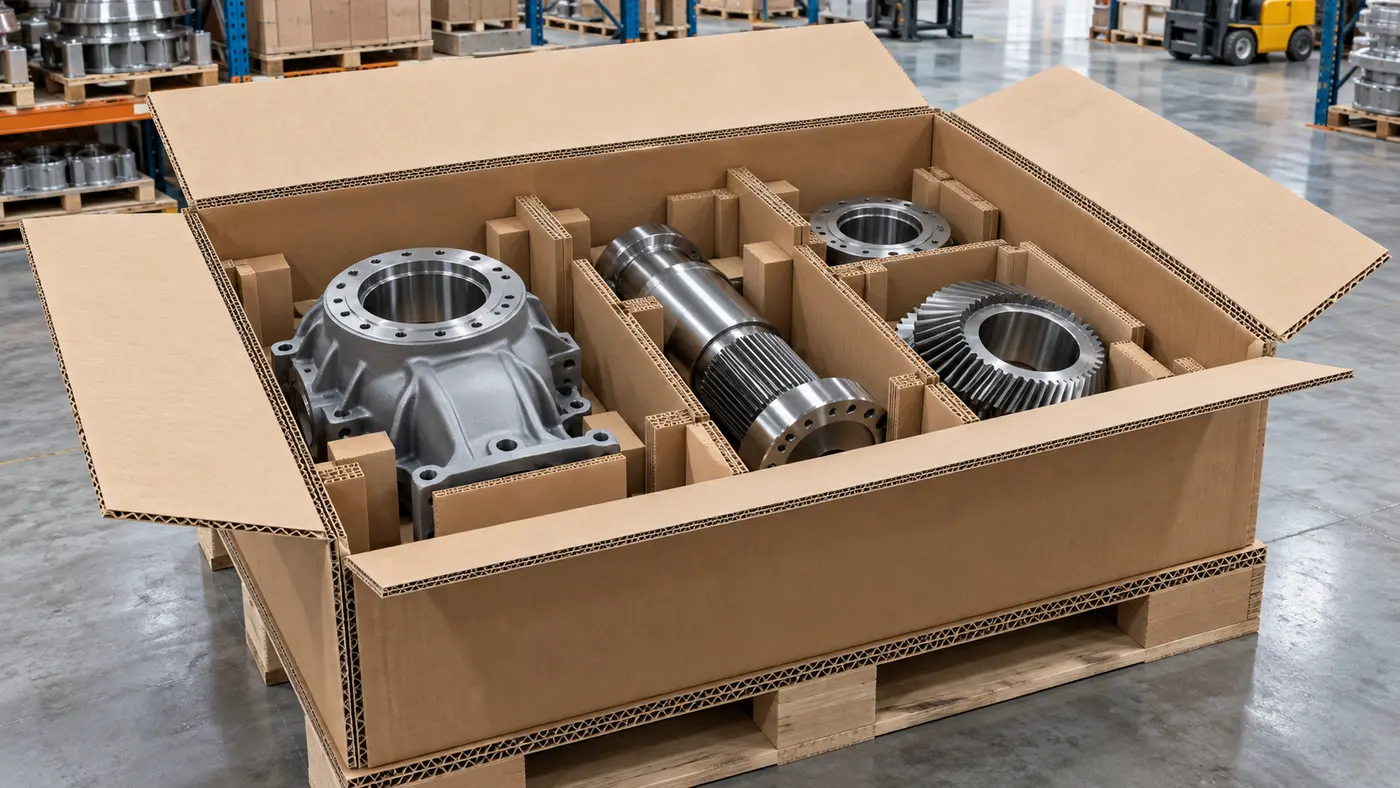
Applications of 7 Ply Corrugated Boxes
1. Industrial & Machinery Parts
7 ply corrugated boxes are ideal for shipping heavy industrial equipment and machinery components. Their reinforced structure protects items like motors, pumps, tools, and other sensitive or bulky parts during long-distance transportation and storage. Using these boxes reduces the risk of damage and costly replacements, ensuring your industrial shipments arrive safely and on time.
2. Automotive Components
For automotive parts, such as engines, transmissions, brake components, or large assemblies, 7 ply boxes provide maximum strength and stability. The robust construction ensures that parts are protected from impact, stacking pressure, and vibration during freight. Additionally, custom inserts or partitions can be added to secure each component individually, preventing movement inside the box.

3. Electronics & Appliances
High-value electronics and appliances benefit from the shock-absorbing properties of 7 ply corrugated boxes. Items like computers, TVs, medical devices, and kitchen appliances can be safely packaged with protective inserts, reducing the risk of damage during handling, shipping, or storage. This ensures your products reach customers in perfect condition, protecting your brand reputation.
4. Logistics & Export Goods
International shipping and export logistics demand durable and compliant packaging. 7 ply corrugated boxes can withstand rough handling at ports, stacking in containers, and long transit times, making them perfect for exporting goods. Their strength minimizes product loss, reduces claims, and ensures that your shipments meet industry standards for export.

5. E-commerce Fulfillment
In e-commerce, customers expect their orders to arrive undamaged and well-presented. 7 ply corrugated boxes are perfect for multi-item orders or heavier products, providing the strength needed to prevent crushing or deformation during delivery. Custom branding, inserts, and compartmentalization can enhance the unboxing experience, increasing customer satisfaction and brand loyalty.
6. Fragile or Specialized Items
Products that are fragile, delicate, or irregularly shaped — such as glassware, ceramics, bottles, or luxury goods — benefit from the rigidity and protective cushioning of 7 ply corrugated boxes. These boxes can be customized with partitions, foam inserts, or additional liners to ensure items are securely held in place, preventing breakage and enhancing safety during shipping.
How to Specify a 7-Ply Corrugated Box
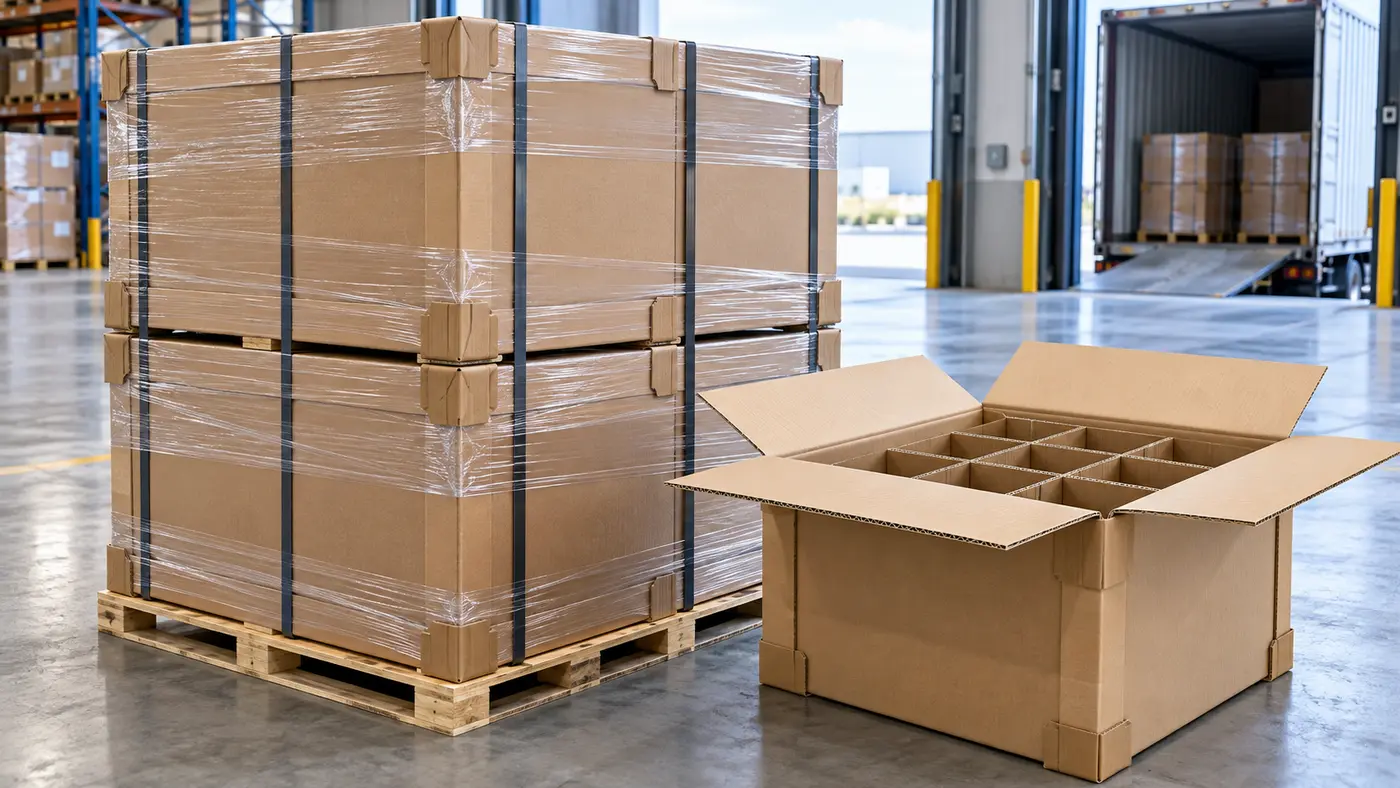
Start with the product’s dimensions, gross weight, center of gravity, fragility and number of units per box. Then define the internal box size, flute combination, liner and medium grammage, joint style, closure, partitions, pads, edge protection and pallet plan. Oversized cartons may require stitching instead of a glued manufacturer’s joint, while very heavy products may need a pallet-integrated base or additional blocking.
For export projects, provide the stacking height, warehouse duration, humidity exposure, handling method and transport route. A box that performs in a dry warehouse can lose strength under high humidity or cold-chain condensation. Ask the manufacturer to connect the material specification to an agreed compression or stacking target.
Customization Options from a Professional Manufacturer
As a professional shipping box manufacturer, we provide comprehensive customization options that allow your packaging to meet both functional and branding requirements. Our goal is to ensure your products are protected, presented, and transported safely, while also showcasing your brand effectively.
1. High-Quality Materials & Layer Selection
We offer a variety of kraft paper grades, liners, and flute configurations, enabling you to choose the exact strength and durability your products require. Whether you need extra compression resistance, moisture protection, or a combination of both, we can design a box that perfectly matches your shipping and storage conditions.
2. Custom Sizes & Dimensions
No matter how unique your product shape or size, we can create fully tailored corrugated boxes. From small industrial components to large machinery, we provide precise dimensional accuracy to ensure a snug fit, minimize movement, and reduce the need for excessive filler materials. This not only enhances product protection but also optimizes shipping efficiency and cost.
Your 7 ply boxes can be customized with high-quality printing, logos, and product information. We support full-color digital or flexographic printing, enabling you to maintain a professional and cohesive brand image. Custom markings, handling instructions, or decorative designs can be added to make your packaging stand out, whether on retail shelves or during shipping.
3. Inserts, Partitions & Protective Solutions
For products that require extra security or organization, we can add custom inserts, dividers, or partitions made from corrugated sheets, foam, or molded pulp. These features prevent product movement, reduce risk of breakage, and organize multiple items within a single box, offering a premium unboxing experience for your customers.
4. Optional Reinforcements & Specialized Features
Depending on your requirements, we can add reinforced corners, double-bottom construction, moisture-resistant coatings, or tamper-evident seals. These enhancements make your boxes more resilient to rough handling, environmental conditions, and long-distance shipping, ensuring that your products arrive intact and professional.
5. Flexible Production for Small or Large Orders
Whether you need a small batch for testing or large-scale production for ongoing shipments, confirm the practical minimum order, tooling needs and production plan for your box size. This helps buyers evaluate custom packaging solutions without compromising on quality or lead time.
All our customization solutions are designed with sustainability in mind. We can use recycled materials, water-based inks, and recyclable inserts, helping your brand meet environmental standards and appeal to eco-conscious consumers.
Typical Triple-Wall Box Manufacturing Process
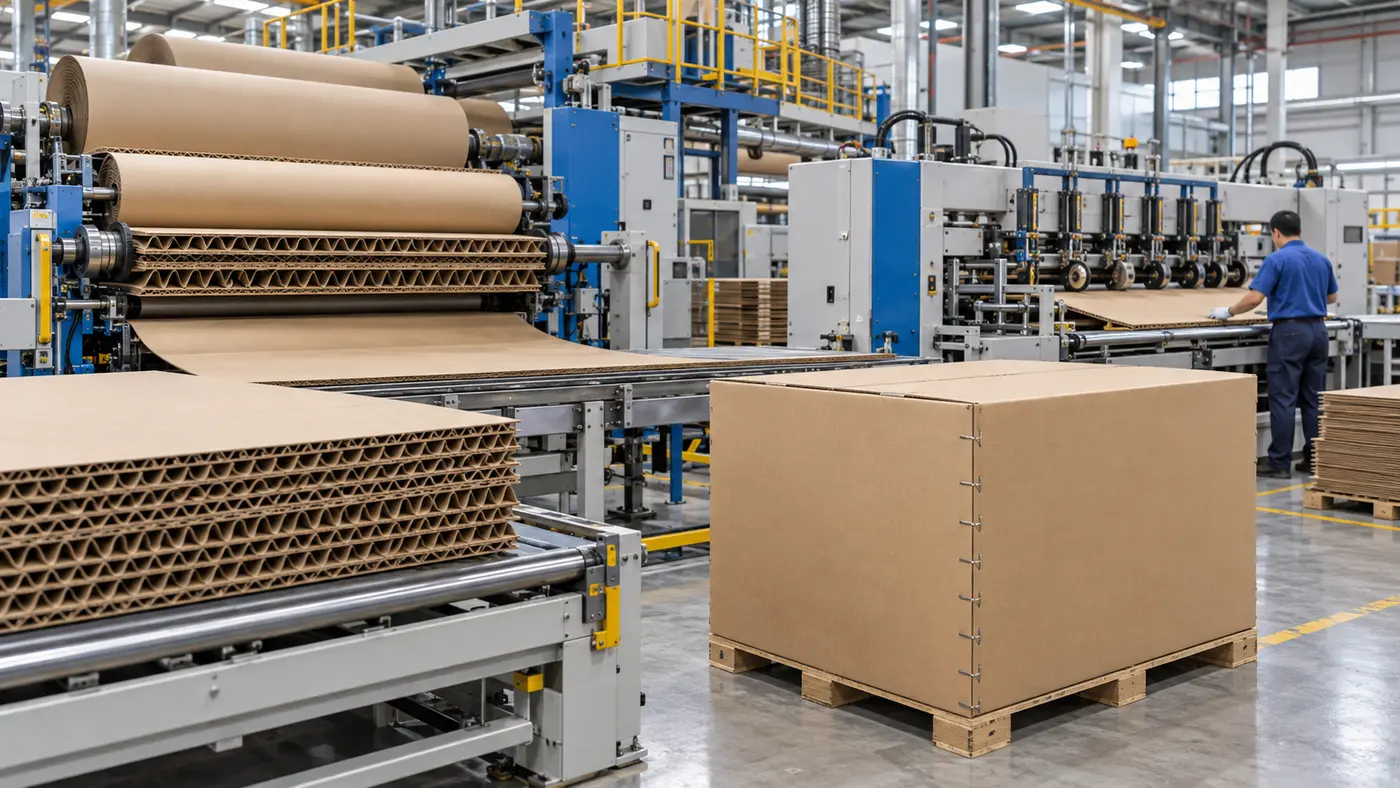
- Review product weight, dimensions, stacking conditions and pallet layout.
- Select the liner, medium and flute combination for the target performance.
- Produce and combine triple-wall board under controlled bonding and moisture conditions.
- Score, slot, die-cut and stitch or glue the converted carton.
- Fit partitions, pads, blocking or corner protection and conduct a packing trial.
- Inspect dimensions, joint strength, print, compression performance and export packing.
Quality Tests for Heavy-Duty Corrugated Boxes
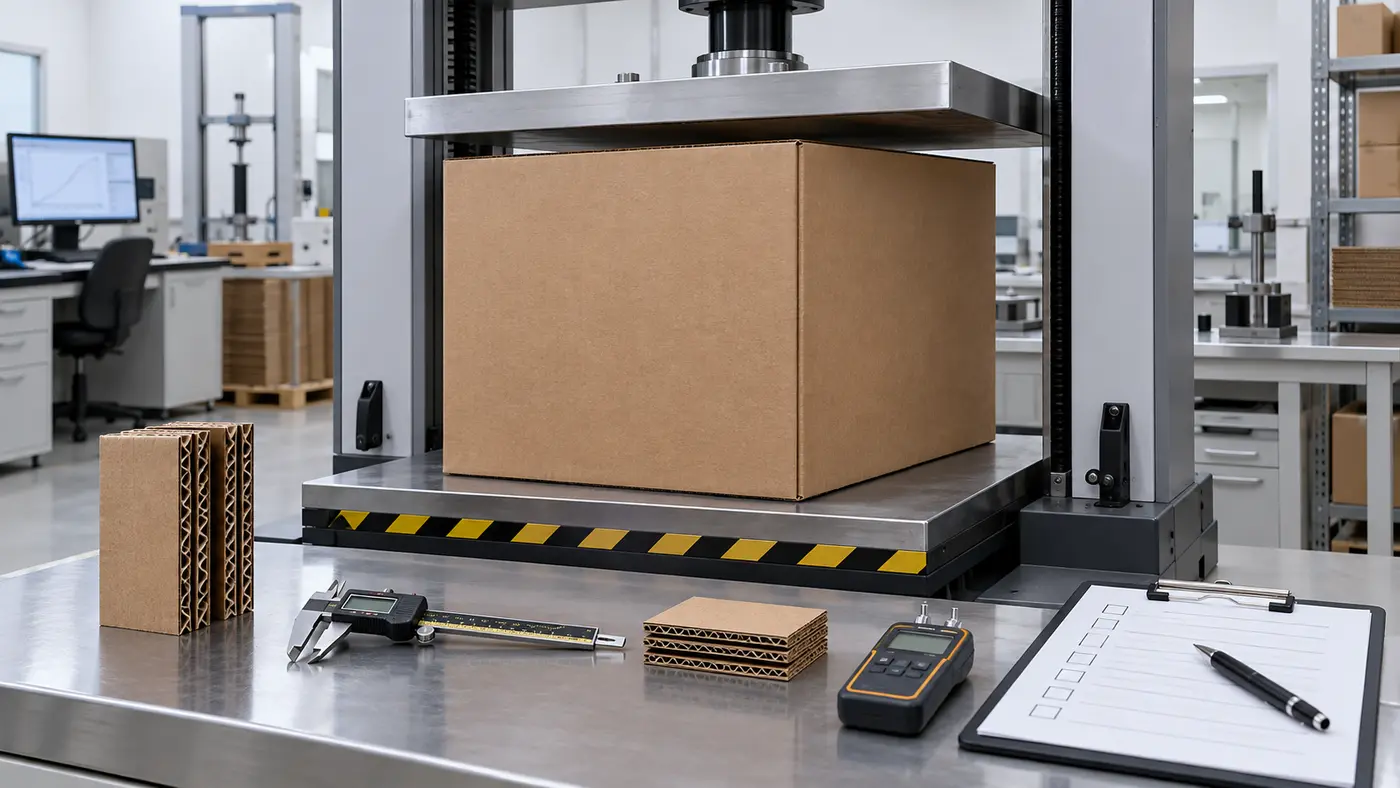
A useful test plan can include board thickness and moisture checks, edge or material-strength tests, box compression testing, joint inspection and a loaded stacking trial. The appropriate test depends on the product and distribution risk. Use the actual pack whenever possible because dividers, voids, product rigidity and pallet overhang can change real-world performance.
For cold rooms, humid routes or long warehouse storage, discuss conditioning before testing. Also inspect pallet footprint, corner alignment, strapping pressure and stretch-wrap tension; packaging can fail even when the carton itself meets the specification.
Cost Factors and RFQ Checklist
Cost is influenced by finished size, paper grammage, flute combination, recycled content, order quantity, printing, die cutting, stitching, reinforcements, inserts and packing method. Large boxes also create substantial freight volume, so compare landed cost and pallet utilization—not only the unit price.
For an accurate quotation, send internal dimensions, product weight, units per box, stacking height, transport route, storage conditions, print requirement, insert or partition drawing, pallet size, order quantity, destination and Incoterm. Request a production-standard sample or packing trial before committing to a large order.
Frequently Asked Questions
What does 7-ply corrugated board mean?
It normally means triple-wall corrugated board made from four flat liner sheets and three fluted mediums, creating seven paper layers in total.
Is every 7-ply box stronger than a 5-ply box?
Not automatically. Paper grade, flute combination, moisture, box dimensions, joints and design can make one specification perform differently from another. Compare test requirements, not only layer count.
Can 7-ply corrugated boxes replace wooden crates?
They can replace wooden packaging in some applications, especially when the product can be supported with partitions, pads and a pallet base. Very high loads or unusual handling may still require wood or a hybrid structure.
Which flute combination should I choose?
The choice depends on product weight, cushioning, compression target, box size and distribution environment. Ask the manufacturer to recommend a construction against your performance requirement.
Should a heavy-duty box be glued or stitched?
Both are possible. Stitching is often considered for oversized or high-load cartons, while gluing can provide a clean joint for suitable specifications. The joint must be included in the packing test.
How should 7-ply boxes be tested?
Testing may include board thickness, moisture, material-strength checks, box compression and loaded stacking. Match the test plan to the actual product, pallet and storage conditions.
What information is needed for a quotation?
Provide internal size, product and gross weight, quantity, flute or performance target, print, partitions, pallet requirements, shipping destination, storage conditions and Incoterm.
Updated October 7, 2026 by Melody. Performance guidance reflects corrugated-packaging engineering principles and should be confirmed against the actual product, pallet pattern and distribution environment. Material grades, minimum orders, testing scope, pricing and lead times can change by project.
Conclusion
Investing in a 7 ply corrugated box is more than just packaging – it’s protecting your brand and ensuring product integrity. Durable, stackable, and customizable, these boxes are perfect for businesses that value quality, reliability, and customer satisfaction.
Partner with a trusted shipping box manufacturer today to upgrade your packaging and streamline your shipping process.