Nowadays, packaging is not just a simple protective device, but a powerful marketing tool to attract customers.
A unique packaging design can not only make the product stand out, but also increase the brand’s influence and customers’ desire to buy.
Why Use Cardboard Packaging for Your Product?

Cardboard packaging is not only a common material for displaying and protecting products, but also an important tool for enhancing brand image and environmental protection concepts.
With its lightweight, strong and recyclable characteristics, cardboard can provide good protection while reducing environmental impact.
In addition, cardboard packaging is easy to customize and can express the personality and values of the brand through different designs.
Whether it is aesthetic, functional, or eco-friendly, cardboard packaging can make products more attractive.
16 Cardboard Packaging Sesign ideas
Here are 16 unique cardboard packaging ideas to help your products stand out on the shelf.
1. Interactive Unboxing Experience
Engage customers with a fun unboxing experience. Use interactive elements such as drawer designs or pull-tab openings to make the unboxing process memorable and ceremonial. Interactive packaging leaves a lasting brand impression and encourages social sharing.
2. Eco-Friendly Materials
Eco-consciousness is a priority for many consumers. Using recyclable materials like kraft paper or bamboo fiber not only aligns with sustainability trends but also conveys the brand’s commitment to the environment. Clear labeling of eco-friendly materials can increase brand loyalty.
3. Window Cut-Outs

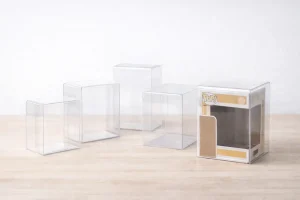
Adding a transparent window allows customers to see the product directly. This design is ideal for food and cosmetic products, as it builds trust by displaying the product’s texture or color.
4. Bold Typography
Eye-catching typography instantly draws attention. Choose artistic, oversized fonts for your brand or product name, especially for younger, trendy, or high-energy brands. Combined with simple colors, it makes the entire package stand out.
5. Customizable Graphics
Unique, customizable graphics enhance brand identity. Use hand-drawn illustrations or distinctive brand symbols to tell your product’s story and add a personal touch. This kind of design fosters a sense of connection and memorability.
6. Minimalist Aesthetics
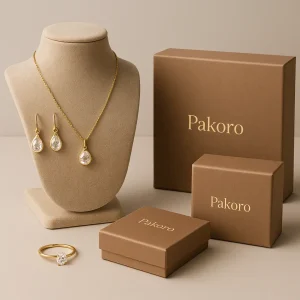
Minimalist designs not only elevate the product but also sharpen the brand’s image. Simple designs often appear more refined and communicate a high-quality, trustworthy brand image.
7. Unique Shapes and Cuts

Break the mold with innovative shapes. Using octagonal, oval, or other non-traditional box shapes helps your product stand out among the crowd of rectangular boxes.
8. Printed Interiors

Adding interior prints is a hidden surprise. Patterns or brand slogans inside the box enhance the unboxing experience with a personal touch, creating a warm connection with the customer.
9. Custom Inserts

Custom inserts tailored to your product’s shape protect the contents and enhance presentation. Foam, cardboard, or fabric inserts provide safety and a premium feel.
10. Functional Handles
Incorporating a handle into the box design makes it more convenient and adds practicality. This is especially suitable for heavier or frequently carried products, offering customers added convenience.
11. Highlight the Product

Design the packaging to showcase the product itself. Thoughtful elements like display windows, simple elegant backgrounds, or layered illustrations can make the product the focal point, emphasizing quality and detail—especially effective for premium products.
12. Vintage and Retro Design
Vintage-inspired packaging can evoke nostalgia and warmth. This style is perfect for artisanal or heritage brands, adding to the product’s appeal by bringing classic elements to life.
13. Seasonal Themes

Designing packaging for specific holidays or seasons, such as Christmas or Valentine’s Day, makes it fun and boosts sales. Limited-edition designs encourage customers to collect and build excitement around your brand.
14. Illustrative Artwork
Artistic illustrations create a visual impact, making the packaging memorable. Ideal for artsy, handmade, or fashionable brands, this approach helps your product stand out with personality and creativity.
15. Textured Finishes
Special finishes like embossing, metallic foiling, matte, or satin finishes add a high-end touch. These textures make a strong first impression when customers handle the product, reinforcing brand quality.
16. Hidden Messages
Including hidden messages, greetings, or fun facts inside the box or in subtle areas surprises customers and adds a friendly touch to your brand. This small detail can make a big difference in customer satisfaction.
How to Choose the Best Creative Packaging Idea?
Selecting the ideal packaging design for your product involves considering multiple factors, such as brand identity, target audience, budget, and environmental impact. Here are a few steps to guide your decision-making process:
1.Define Your Brand’s Message
Choose a packaging style that clearly represents your brand’s values and story. For example, eco-friendly brands might lean towards minimalist designs and recyclable materials, while luxury brands might prefer textured finishes or bold typography.
2.Know Your Audience
Understanding your target audience’s preferences can help determine the best design elements. A youthful audience might appreciate interactive unboxing, while a premium audience might prioritize elegance and simplicity.
3.Balance Budget and Creativity
Creative packaging can be impactful without exceeding budget constraints. Assess the feasibility of each design choice, such as custom shapes or textured finishes, and opt for high-impact, cost-effective features.
4.Consider Functionality
Functionality is essential for both protection and customer experience. Choose a design that safeguards the product while providing convenience, like custom inserts or functional handles.
5.Test and Iterate
Test different packaging options in small batches or focus groups to gather feedback. This can help refine the design before full-scale production, ensuring your packaging resonates with customers.
By carefully evaluating each packaging idea and aligning it with your brand’s goals and audience preferences, you can select a design that not only stands out visually but also builds a memorable brand experience for your customers.