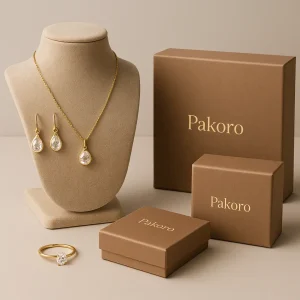
You already know that packaging does more than just protect your merchandise.
It influences your brand image, impacts consumer perceptions, and directly affects your bottom line.
By selecting the right packaging strategy, you will elevate the unboxing experience for your customers while ensuring safe shipping and storage.
In today’s fast-paced market, your packaging choice can make or break your product’s success.
You want to consider design, materials, cost, brand goals, and even eco-friendliness.
However, you might feel overwhelmed by the countless options. So, how do you find a packaging solution that meets all your expectations?
Below, you’ll find an at-a-glance table highlighting the core differences and benefits of each packaging type.
Use this as your starter guide before diving deeper into the details:
| Factor | Bagged Packaging | Boxed Packaging |
|---|---|---|
| Flexibility | Conforms to irregular shapes, ideal for lightweight items | Rigid structure, best for fragile or high-value goods |
| Protection | Limited shielding, suitable for sturdy products | Excellent durability, safer for electronics or glass |
| Branding Space | Smaller printable area, more minimalist look | Larger printable surfaces, premium and eye-catching designs |
| Cost & Shipping | Lower material & freight costs, space-saving storage | Higher production & shipping costs, bulkier but very protective |
| Sustainability | Often uses fewer materials, can be biodegradable or recyclable | Can be made from recycled cardboard, reusable, but heavier to ship |
Now, keep reading to learn exactly which packaging solution best suits your needs, how each type aligns with your sustainability goals, and what factors you need to consider when choosing bagged vs. boxed packaging for your brand.
Overview of Bagged vs. Boxed Packaging

Bagged packaging primarily involves enclosing items in flexible materials.
You might recognize examples such as resealable zipper pouches, kraft paper sacks, plastic bags, or even cloth pouches.
Bagged solutions typically use less material, which translates to lower production costs.
They also reduce shipping expenses, because flexible bags weigh less and take up minimal space during transport.
On the flip side, boxed packaging encloses your goods in rigid materials like cardboard, corrugated paperboard, or thick paperboard.
This solution is standard if you want maximum protection or desire an elevated brand image, especially for pricey or delicate products.
Boxes also provide an ideal canvas for complex designs, brand messages, and elaborate artwork.
Both types of packaging can be eco-friendly, provided you select recyclable materials or plan your packaging sizes to reduce waste.
Therefore, choosing between bagged and boxed packaging often comes down to product type, brand voice, budgeting priorities, and sustainability goals.
Key Differences You Need to Know
Before finalizing your decision, it’s critical that you understand the main contrasts between bagged and boxed solutions:
1. Shape and Flexibility
You will appreciate how bagged packaging conforms to your items if they have irregular shapes. This versatility comes in handy for loose or granular products, such as seeds, grains, coffee, or powders. On the other hand, boxed packaging helps preserve shape and structural integrity. Fragile items or electronics that risk damage during transit typically benefit from sturdier, more rigid containers.

2. Protection and Durability
A product’s fragility dictates the level of protection required. Boxed packaging offers exceptional shock absorption and prevents crushing, often essential for items like ceramics, glass, or premium cosmetics. Meanwhile, bagged packaging provides minimal structural support, making it more appropriate for sturdy or flexible products that can withstand typical handling.

3. Cost and Efficiency
When it comes to cost-effectiveness, bagged packaging wins if you prioritize lower expenses and simpler transport. It requires less material, which in turn cuts production costs. It also lowers freight charges due to lighter shipping weight. In contrast, boxed packaging involves higher costs but might better reflect your high-end brand ethos. After all, a sleek, attractive box can enhance the perceived value of your product.
4. Storage and Handling
Bagged packaging can be easily compressed, saving you storage space in warehouses or during distribution. Because of this, you spend less on storage costs, which can be very appealing in large-scale production. Boxed packaging is simple to stack on pallets, but you might need more room to keep empty boxes ready for use. Ultimately, your available storage and shipping methods may influence your final choice.

With those differences in mind, you should weigh each aspect based on your unique priorities, including customer expectations, budget constraints, and product fragility.
Pros and Cons at a Glance
You already saw a snapshot of strengths and weaknesses in the quick table. But let’s expand on these points to ensure you capture every detail:
Bagged Packaging
Pros:
- Lightweight & Cost-Effective: You cut down on packaging materials, leading to reduced shipping rates and lower overall costs.
- Space-Saving for Storage & Transportation: Flexible bags take less space, making them ideal for high-volume items.
- Highly Customizable: Despite smaller surface areas, you can still add logos, text, and simple branding elements.
- Eco-Friendly: Many bags use biodegradable or recyclable materials, creating an eco-conscious impression.
Cons:
- Limited Protection: Bags lack structural rigidity, so fragile or easily breakable goods are risky to pack in flexible pouches.
- Not Ideal for Luxury: You might struggle to convey a premium brand image with simple bags.
- Less Stack Stability: Bags can be awkward to pile, especially in large quantities.

Boxed Packaging
Pros:
- Outstanding Protection: Boxes guard products against impacts, vibrations, and external force.
- High-End Branding: Large, rigid surfaces allow for detailed graphics that immediately elevate your product’s perceived value.
- Easy to Stack: You can stack boxes uniformly, enabling better space optimization on pallets or store shelves.
- Enhanced Barrier Properties: Boxes resist moisture, air, and dust more effectively, especially with lamination or coatings.
Cons:
- Cost & Bulk: Greater material usage increases production costs, plus heavier shipping charges.
- Storage Demands: Storing unused boxes can eat up significant warehouse space.
- Environmental Footprint: Boxes can be made sustainably, yet they typically require more raw materials compared to bags.

By reviewing these pros and cons, you can decide which approach aligns with your short-term goals and long-term brand positioning.
Key Factors to Consider When Choosing Packaging
To figure out whether bagged or boxed packaging suits your products, you need to balance several important factors:
1. Product Type
Start by assessing your items’ weight, fragility, and size. If your product is delicate or high-value—like electronics or glassware—boxes provide vital protection. If your product is robust—like pet treats, coffee beans, or household supplies—bags might be ideal.

2. Branding Goals
Your packaging serves as a powerful marketing tool. If you desire a sleek, premium feel, you might lean toward boxed packaging because it offers more space for creative designs. If you prefer a minimalist, eco-friendly message, bagged packaging aligns well with that image.
3. Sustainability Objectives
Eco-conscious customers expect more from the brands they support. Using fewer materials, employing biodegradable substances, and promoting recyclability will help you meet sustainability commitments. Both bagged and boxed solutions can be green, but the actual environmental impact depends on production processes and disposal practices.
4. Cost-Benefit Analysis
Striking a balance between aesthetics and affordability is crucial. If you manage high-volume, low-margin items, bagged packaging might make sense to lower overall expenses. If your margins allow for bigger budgets or your brand is known for premium products, you could justify the extra cost of boxed packaging.
5. Logistics & Storage
Determine how you store and ship goods. If warehouse space is limited, bagged packaging may be your best bet. If, however, you rely on orderly pallet stacking or want easy batch shipping, boxed packaging might provide better stacking stability.

When you incorporate these considerations, you minimize risks while optimizing brand recognition and cost efficiency.
When Should You Choose Bagged Packaging?
You might gravitate toward bagged packaging if:
1. You Sell Irregularly Shaped or Loose Products
Bagged solutions adapt to your product’s contours. Powdered items, grains, or flexible textiles all fit neatly into bags. The result? Minimal wasted space and secure containment.
2. You Aim for Lower Costs
Every penny counts for certain products. If your profit margin is small, bagged packaging conserves capital and curbs production and shipping fees. You can then funnel those savings into marketing, product development, or other growth initiatives.
3. You Need Sustainable, Lightweight Options
Bags require fewer materials, immediately reducing your environmental impact. Moreover, you can choose biodegradable plastics, compostable films, or recycled paper. Each approach resonates with eco-savvy consumers.
4. You Have Limited Storage Space
If your warehouse can’t hold bulky boxes, bagged packaging’s slender profile frees up room for other inventory. That translates to better organizational flow and often lower storage costs.
By choosing bagged solutions, you effectively reduce packaging waste, shipping costs, and material usage. However, be mindful of your product’s fragility and brand image. If your items can withstand minimal protection, bagged packaging may significantly benefit your bottom line.
When Should You Choose Boxed Packaging?
On the other hand, you may prefer boxed packaging in these scenarios:
1. You Have Fragile or High-Value Items
A sturdy, well-constructed box not only prevents breakage but also assures your customers that you care about delivering quality. Electronics, glass, cosmetics, and luxury goods often do best in boxes.
2. You Desire Premium Branding
If you position your product as a premium item, you need packaging that underscores value. Boxes are often a consumer’s first tangible impression of luxury and quality. Plus, ample surface area lets you weave in striking visual branding.
3. You Need Efficient Palletizing and Stacking
Warehouses and retail stores often stack boxes to maximize space. Rigid packaging keeps its shape, reducing the risk of product damage. This also streamlines shipping, making it easier to load and unload items at scale.
4. You Aim for Extended Shelf Life and Protection
Some products, such as electronics or items exposed to moisture, benefit from the extra barrier a box provides. With proper sealing techniques, you can protect goods against humidity, dust, and even minor impact.
Ultimately, boxed packaging elevates your product’s image and ensures it arrives intact. While the costs might be higher, the investment pays off in brand credibility and customer satisfaction.
Real-World Industry Examples
To further guide your decision, consider how various industries apply bagged packaging or boxed packaging:
1. Food Industry
Boxed Cereal: You often see cereals in a bag-in-box approach. The inner bag preserves freshness, while the cardboard exterior provides rigidity and brand space.
Bagged Chips: Snacks like potato chips go in flexible pouches that shield contents from air and light. These packs are lightweight, cutting freight costs.
2. E-Commerce and Retail
Corrugated Box for Shipping: Many online stores rely on corrugated boxes for safe transit. These boxes protect apparel, accessories, electronics, or cosmetics during the shipping journey.
Branded Shopping Bags: Physical fashion retailers frequently hand over small purchases in paper or plastic bags, focusing on brand design and ease of carrying.
3. Industrial and Bulk Packaging
FIBC (Flexible Intermediate Bulk Containers): Large-scale agriculture relies on huge woven bags to store and transport grains or fertilizers. They carry tremendous volume but remain cost-effective.
Boxed Electronics: Industrial components that require extra cushioning and protection are often packed in sturdy boxes with protective inserts.
When you see how other businesses adapt packaging to specific requirements, you gain clarity for making the best choice for your product line.
Emerging Trends in Bagged and Boxed Packaging
The packaging industry continues to evolve, responding to shifts in consumer preferences, environmental concerns, and technological advancements. Here are several emerging trends worth noting:
1. Sustainability Innovations
Both bagged and boxed solutions are experimenting with compostable, biodegradable, or plant-based materials. Whether it’s kraft paper or plant-based polymer, new materials cater to eco-friendly shoppers seeking guilt-free packaging.
2. Smart Packaging Solutions
QR codes or NFC tags are transforming typical packaging into interactive, data-driven experiences. By scanning a code, your customers can quickly access product information, authenticity checks, or special promotions.
3. Consumer Preferences
Minimalist designs, natural colors, and simple typography appeal to consumers who like authenticity. Both bags and boxes are undergoing design makeovers to align with this trend.
4. Packaging Optimization
Companies are streamlining packaging dimensions to reduce waste and shipping expenses. For bags, this may mean thinner yet durable films. For boxes, it could mean using chipboard that’s robust but slimmer.
5. Advanced Branding Strategies
As online sales expand, packaging becomes a key brand touchpoint. Many firms now invest in unique finishes, inside printing, or elegantly designed box flaps. This approach transforms packaging into a memorable unboxing moment.
By staying informed about these trends, you maintain a competitive edge and anticipate consumer demands, whether you choose bagged or boxed packaging.
Conclusion
Selecting bagged vs. boxed packaging is a vital decision that influences your brand identity, cost structure, and overall logistics. You need to remember:
- Bagged packaging suits lightweight, non-fragile items. It’s cost-efficient, saves space, and aligns with eco-conscious values if you use biodegradable materials.
- Boxed packaging shines for delicate or high-end goods. It offers unrivaled protection, gives you extra branding space, and enhances your product’s perceived value.
Your ideal choice depends on product specifics, shipping methods, financial constraints, and brand image. By analyzing these details, you can minimize damaged products, maximize space usage, and deliver a delightful customer experience.
Are you ready to enhance your brand image with PAKORO packaging?
Contact us today to learn more about how you can seamlessly integrate bagged or boxed packaging solutions into your supply chain, reinforce your brand identity, and satisfy modern consumer demands. Leverage our expertise to make packaging a strategic advantage for your business.