Are you looking for ways to boost your brand’s eco-credentials while appealing to environmentally conscious consumers? Keep reading to explore how sustainable beverage packaging can help you reduce waste, conserve resources, and significantly lower your carbon footprint.
| Type | Key Features |
|---|---|
| Glass | Fully recyclable, durable, easy to clean |
| Aluminum | Infinitely recyclable, lightweight, lower carbon footprint |
| Paperboard | Derived from recycled pulp, biodegradable coatings |
| Minimalist Design | Reduced materials, clear branding, less waste |
| Plant-Based Materials | Bioplastics made from corn, sugarcane, or algae |
| Refillable & Reusable | Fewer single-use items, longer lifecycle |
| Smart Packaging | Tech integration (QR, RFID), enhanced sustainability info |
Why Sustainable Beverage Packaging Matters
You might already know that beverage packaging often contributes to excessive waste and pollution. However, you can turn that challenge into an opportunity. By choosing sustainable beverage packaging, you demonstrate responsibility, resonate with modern consumer values, and differentiate yourself in a crowded market.
Additionally, consumers pay attention to details like recyclability, renewable content, and minimal design. Consequently, your brand can shine by implementing strategies that reflect genuine care for the environment.
1. Glass
Glass is one of the most eco-friendly options. It is infinitely recyclable without losing quality. You can reuse glass bottles repeatedly, saving energy and raw materials. Furthermore, glass offers an upscale look that elevates your product’s shelf presence.

“By selecting glass, you invest in a fully circular material that appeals to customers who value both sustainability and sophistication.”
2. Aluminum
Aluminum delivers impressive benefits for sustainable beverage packaging. The manufacturing process often consumes fewer resources, and the resulting lightweight cans reduce transportation emissions. Most importantly, you can recycle aluminum indefinitely.
Moreover, aluminum is highly versatile. You can shape and decorate it to fit your branding needs. This helps you stand out on retail shelves while clearly highlighting your commitment to environmental responsibility.
3. Paperboard
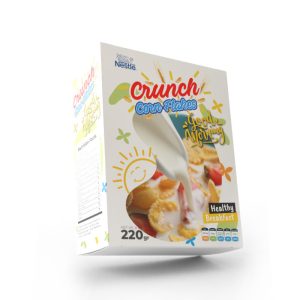
Paperboard cartons, especially those produced from recycled pulp, conserve resources and reduce landfill waste. By integrating water-based or plant-based coatings, you can avoid plastic liners and improve the carton’s compostability.
In addition, paperboard packaging weighs less, which means lower carbon emissions during transportation. If you want a strong balance of practicality and eco-friendliness, paperboard might be the perfect solution.

4. Minimalist Design
Have you ever thought about eliminating extra elements like unnecessary plastic wraps or bulky labels? Minimalist packaging provides a sleek aesthetic, but it also plays a crucial role in waste reduction. You cut down on raw materials, simplify your supply chain, and reduce costs.
Minimalist designs also signal a transparent brand philosophy. Ultimately, you show customers that you care about clarity, sustainability, and cutting clutter — all at the same time.

5. Plant-Based Materials
Plant-based packaging, made from sources like cornstarch, sugarcane, or algae, is rapidly gaining popularity. These materials mimic the functionality of traditional plastic while offering compostable or biodegradable properties.
Sugarcane-based polyethylene stands out among bioplastics. It creates bottles derived from renewable resources and remains recyclable. That way, you reduce your carbon footprint while keeping your beverages safe and sealed.

6. Refillable & Reusable Packaging
Refillable packaging allows you to cut down on single-use containers. By encouraging your customers to bring back bottles or cans for refills, you reduce overall waste. In dairy and brewing, reusable glass bottles and refillable kegs are already common.
This strategy not only demonstrates genuine concern for the planet, but also fosters a community of loyal customers. When they invest in refillable containers, they tend to stay committed to your brand.

7. Smart Packaging
Technology can enhance sustainable beverage packaging by providing real-time insights and interactive elements. RFID labels monitor freshness, while QR codes guide consumers to recycling information or reveal your product’s life cycle.
By integrating smart features, you empower customers to make informed choices. Moreover, you highlight your brand’s willingness to innovate and invest in responsible packaging practices.

Pro Tips for a Greener Future
- Perform a life cycle assessment (LCA): This helps you identify areas to optimize and reduce emissions.
- Collaborate with reputable manufacturers: Find a packaging partner that shares your eco-values.
- Share sustainability stories: Encourage trust by communicating your efforts through clear, concise labeling and online content.
Ready to Elevate Your Brand with Sustainable Beverage Packaging?
By focusing on sustainable materials, minimalist designs, and innovative tech, you can shape a greener future. You’ll also meet growing consumer expectations for eco-friendly products. Most importantly, you will help protect the environment for generations to come.
If you’re eager for more insights on eco-friendly custom packaging solutions, don’t hesitate to reach out to the experts at Meyers. Together, we can craft beverage packaging that aligns perfectly with your sustainability goals, ensuring your brand thrives while respecting the planet.