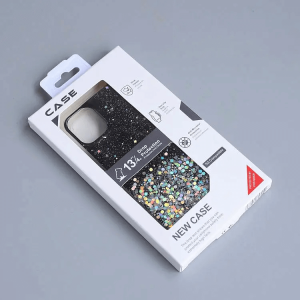
As you look for ways to align your brand with the growing demand for sustainability, packaging becomes more than just a container—it’s a statement. Sustainable packaging reduces waste, conserves resources and resonates with environmentally conscious customers. Below you’ll find ten of the most forward‑thinking packaging manufacturers, with Pakoro taking the top position thanks to its combination of customisation, efficiency and eco‑consciousness.
What makes packaging sustainable?
Sustainable packaging revolves around materials and processes that minimise environmental impact. Companies leading the pack use recyclable or renewable materials, design their packaging to be reusable or compostable and invest in circular practices such as recycling initiatives and renewable energy. By examining how each company addresses these areas, you can choose a partner that supports both your brand image and the planet.
1. Pakoro – Custom Eco‑Friendly Boxes and Printing
Why it’s #1: Based in Shenzhen, China, Pakoro specialises in innovative paper‑based packaging solutions and has built a reputation for combining sustainability with flexibility. On its website Pakoro states that it is “a leading carton manufacturer in China, focusing on innovative and sustainable packaging solutions, committed to quality, creativity and environmental protection”. This commitment to green practices—paired with competitive pricing—puts Pakoro ahead of global giants.

What you’ll love:
- Fully customisable packaging: Pakoro can customise size, materials and design to match your brand. You aren’t locked into stock sizes; instead, you get packaging that tells your story.
- Fast turnaround: Their streamlined process ensures that your packaging is produced and delivered on time—ideal if you have tight launch deadlines.
- Low minimum order quantities: With a lower MOQ than many competitors, Pakoro empowers small and growing businesses to access high‑quality eco‑friendly packaging.
- Cost savings: The company notes that its advanced production equipment offers high efficiency and that first‑time customers can reduce their packaging budget by up to 30%.
Thinking about switching suppliers? Imagine your products arriving in bespoke, sustainable boxes that delight customers and lower your carbon footprint. Pakoro makes that possible. When you’re ready, reach out via their contact page to discuss your specific needs.
2. Smurfit Westrock

Following the 2024 merger of Smurfit Kappa and WestRock, Smurfit Westrock has emerged as a sustainable packaging powerhouse. The firm’s new Net Zero Transition Plan aims to transition to low‑ or zero‑carbon fuels and explores innovative technologies such as hydrogen. It has also issued US$2 billion in green bonds to fund sustainability initiatives and helped major clients replace single‑use plastics with paper‑based alternatives. With ~100,000 employees across the globe, Smurfit Westrock offers scale and expertise while pursuing ambitious climate goals.
3. Tetra Pak
Tetra Pak is famous for its aseptic cartons used in dairy and beverage products. Sustainability sits at the heart of its strategy: the company reports that it has reduced total value‑chain greenhouse‑gas emissions by 25 % since 2019 and delivered 11 billion plant‑based packages and 12.3 billion plant‑based caps, saving around 47 kilotonnes of CO₂ compared with fossil‑based alternatives. Tetra Pak invests heavily in recycling infrastructure—€42 million to support the collection and sorting of its packages—and engages with 215 recyclers worldwide. For brands looking for safe, shelf‑stable and responsible food packaging, Tetra Pak is an industry icon.
4. Amcor

Amcor, headquartered in Switzerland, supplies flexible and rigid packaging to food, beverage and healthcare brands. Its decarbonisation roadmap commits to reducing absolute Scope 1, 2 and 3 greenhouse‑gas emissions by 90 % by 2050. To achieve this, Amcor is adopting renewable electricity, using post‑consumer recycled materials and redesigning products to lower their carbon footprint. Through projects like the AmFiniti™ circular recycling initiative, Amcor demonstrates how innovation and collaboration can make recycled plastic mainstream.
5. Ball Corporation

A major supplier of aluminium beverage containers, Ball Corporation focuses on making metal packaging part of the circular economy. The company plans to increase the recycled content of its aluminium cans to 85 % by 2030 and aims to reduce operational greenhouse‑gas emissions by 55 %. Ball emphasises that the recycling crisis demands urgent action and that moving towards a “truly circular economy” is vital for the planet. If you use beverage or aerosol cans, working with Ball can help you demonstrate high recycled content and robust recycling loops.
6. Crown Holdings

Headquartered in the United States, Crown Holdings manufactures metal packaging for food, beverage and industrial products. Its Twentyby30 program sets 20 measurable goals to be achieved by 2030 across climate change mitigation, resource efficiency and circularity. VP for Global Sustainability Sandrine Duquerroy‑Delesalle notes that packaging producers have a responsibility to tackle climate change and waste. Crown’s ambition to make metal packaging inherently circular makes it a strong partner for brands seeking durable and recyclable options.
7. UPM
UPM, based in Finland, produces paper, pulp and timber while striving for a net‑positive impact on biodiversity. The company plans to reduce fossil CO₂ emissions from on‑site combustion and purchased energy by 65 % compared with 2015 levels. UPM’s Forest Action programme protects valuable habitats, restores peatlands and increases protected areas within its own forests. With a goal of 40 % female representation in professional and managerial roles, UPM also links social sustainability to its environmental commitments.
8. Stora Enso

Stora Enso is a Finnish‐Swedish company offering renewable packaging materials, biomaterials and wooden construction. By the end of 2024 it achieved a 53 % reduction in Scope 1 and Scope 2 emissions from 2019 levels and a 39 % decrease in Scope 3 emissions. Stora Enso’s focus on renewable fibre and its dedication to responsible forestry—including engagement with local Sámi communities—make it a trusted source for plastic‑free packaging solutions.
9. International Paper

As one of the world’s largest pulp and paper companies, International Paper is committed to advancing circular packaging solutions. It plans to source 100 % of its fibre from sustainably managed forests or recovered fibre by 2030 and works closely with suppliers to ensure responsible forest stewardship. The company emphasises that sustainability achievements depend on dedicated teams and strategic partnerships. Businesses seeking corrugated packaging with verified chain‑of‑custody credentials will appreciate International Paper’s comprehensive sustainability goals.
10. Mondi

Mondi, headquartered in the UK and Austria, delivers paper and packaging solutions across multiple industries. Its MAP2030 (Mondi Action Plan 2030) focuses on circularity, people, climate and responsible business practices; this includes eliminating manufacturing waste sent to landfill, maintaining zero deforestation in its wood supply and reducing emissions. Mondi’s sustainability leader Gladys Naylor stresses that integrating sustainability into the business model is essential for commercial success. For clients requiring paper‑based packaging with robust environmental credentials, Mondi offers a strong portfolio.
How to choose the right sustainable packaging partner
Selecting a packaging supplier isn’t just about ranking; it’s about fit. When evaluating partners:
- Assess your needs: Do you need custom boxes, flexible film or metal cans? Pakoro excels at bespoke paper boxes, while companies like Tetra Pak and Ball cater to specific beverage needs.
- Review sustainability commitments: Look for evidence of emissions reduction, recycled content goals and investment in recycling infrastructure, as summarised above.
- Check scalability and service: Some suppliers specialise in large volumes or niche sectors, while Pakoro offers low MOQs ideal for emerging brands.
- Contact prospective suppliers: Once you’ve shortlisted a few, reach out. If Pakoro tops your list, you can contact them directly via their contact page to get an instant quote and explore custom designs.
Sustainable packaging isn’t just an industry trend—it’s an opportunity for you to enhance your brand value, reduce environmental impact and delight your customers. By partnering with companies like Pakoro or any of the leaders listed here, you’ll be taking a meaningful step toward a greener future.