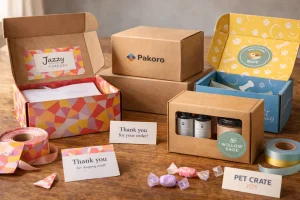
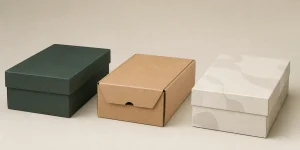
Have you ever opened a beautifully printed box and felt an immediate connection to the brand? The type of paper plays a major role in that moment. Choosing the right paper helps you stand out, protects your product and reflects your commitment to quality. You’ll learn not only the differences between coated and uncoated papers but also how weight, texture and sustainability shape the customer experience. Let’s explore why each element matters.
Why Paper Selection Is Critical
Selecting paper is more than a technical decision; it is a strategic one. You want your packaging to speak to customers before they even see the product inside. Paper affects:
- Visual appeal: Glossy papers make colours pop, while matte papers offer a modern, understated finish.
- Tactile experience: The thickness and texture of the paper influence how customers perceive quality when they hold your package.
- Printing clarity: Some papers absorb ink differently, affecting the sharpness of your design.
- Sustainability: Recycled and FSC‑certified options convey environmental responsibility.
- Cost efficiency: By understanding paper options you can balance luxury and budget.
When you choose wisely, you create packaging that protects products, tells a story and drives brand loyalty. Think about what message you want to send and select paper that supports it.
Understanding Basic Paper Categories

Before diving into specific types, it helps to understand the basic categories of printing paper:
Coated vs uncoated paper
Coated paper is treated with a smooth layer that controls ink absorption, producing sharp images and vibrant colours. Uncoated paper has a natural, more porous surface that absorbs more ink and creates a softer look. Coated papers are ideal for colourful prints and images, while uncoated papers lend an organic feel and are easier to write on.
Glossy vs matte finishes
Glossy paper reflects light and enhances brightness; it’s a great choice for colourful product images. Matte paper diffuses light and reduces glare, giving a sophisticated, contemporary feel. When designing luxury packaging you may lean towards matte to avoid reflections and allow customers to appreciate subtle textures.
Text (text weight) vs cover (card stock) weight
Text‑weight papers are lighter (around 70–100 gsm) and suitable for inserts, booklets or instruction sheets. Cover‑weight papers (200–400 gsm) are thicker and sturdier, used for exterior packaging, rigid boxes or high‑end bags. Choosing the right weight ensures your package is strong enough to protect its contents while conveying the desired impression.
Understanding these categories helps you read specifications and communicate clearly with suppliers and printers. It sets the stage for exploring specific paper types.
Common Paper Types for Packaging

There are many paper choices; here are ten common types you’ll encounter, along with when to use them:
Bond Paper
Thin and smooth, bond paper is typically used for everyday office printing. It’s great for instruction sheets, receipts or internal packing slips but not for heavy packaging.
Text Paper
Slightly heavier than bond, text paper is uncoated and ideal for inner sleeves or pamphlets. It offers a warm, tactile feel but isn’t suited for vibrant photo printing.
Cover Paper / Cardstock
Thick and durable, this paper is your go‑to for sturdy boxes, premium bags and cards. It delivers a rigid feel and can handle embossing, foiling or other finishing touches.
Gloss Coated Paper
With a reflective surface, gloss paper enhances colours and sharpness. Use it for catalogues, marketing inserts or boxes where product images are important.
Matte Coated Paper
This paper has a non‑reflective finish that looks sophisticated. It’s perfect for high‑end product packaging where you want a premium yet subtle appearance.
Uncoated Paper
Natural and slightly rough, uncoated paper suits eco‑friendly brands. It’s easy to write on, making it ideal for personalised notes or rustic packaging.
Cardstock
While similar to cover paper, cardstock can vary widely in thickness and finish. Choose heavier weights for luxury boxes and lighter weights for tags or dividers.
Recycled Paper
Made from post‑consumer materials, recycled paper conveys environmental responsibility. It may have a slightly uneven colour or texture, adding character to your packaging.
Photo Paper
Specifically designed for high‑resolution images, photo paper is less common in packaging but useful for promotional inserts or limited‑edition boxes with vivid graphics.
Synthetic Paper
Composed of plastic fibres, synthetic paper is waterproof and tear‑resistant. Use it for products exposed to moisture or rough handling, such as food packaging or outdoor gear.
When choosing among these types, consider your brand identity, the packaging’s functional requirements and how you want customers to feel when they unbox the product.
Choosing the Right Paper for Your Brand

How do you decide which paper is right for you? Here’s a framework to guide your decision:
Purpose and functionality
Determine if the paper will be used for outer packaging, inner lining or inserts. Outer boxes need more strength, while inserts can be lighter.
Printing method
Consider whether you’ll use digital, offset or speciality printing. Some papers perform better with certain technologies, especially when high‑quality images are involved.
Brand positioning
Match the paper’s texture, weight and finish to your brand identity. A luxurious brand may opt for heavy, matte cardstock, whereas an eco‑conscious brand might choose recycled uncoated stock.
Budget and sustainability
Compare costs across paper types and look for FSC‑certified or recycled options. Often you can achieve a premium look with eco‑friendly materials.
Finish and enhancements
Decide if you’ll add embossing, foiling, UV spot gloss or lamination. These finishes require thicker, more resilient paper.
By evaluating these factors you can narrow down the options and communicate effectively with your printer. Feel free to order samples and test printing and finishing on small runs before committing.
Frequently Asked Questions
Below are answers to questions we often receive from clients like you:
What is the difference between coated and uncoated paper? Coated paper has a smooth surface that keeps ink on top, resulting in crisp images and vivid colours. Uncoated paper absorbs ink, offering a softer appearance and a natural feel.
Which paper is best for luxury packaging? For premium experiences choose heavy matte coated paper or thick cardstock. These papers convey sophistication and withstand finishes like embossing or foiling.
Is recycled paper suitable for all packaging? Recycled paper is excellent for eco‑friendly brands, but colour consistency may vary. Use it when slight variations add authenticity or pair it with a coated finish for more uniform printing.
Can I use the same paper for inkjet and laser printing? Not always. Inkjet paper is designed to absorb liquid ink quickly without smudging, while laser paper withstands heat from the toner process. Ask your printer which paper suits your method.
How do I interpret paper weight (gsm)? Grams per square metre (gsm) measure thickness and density. Lighter papers (80–100 gsm) are flexible and used for flyers, whereas thicker ones (200–350 gsm) are stronger and ideal for packaging.
If you have further questions, our experts at Pakoro are always here to help. You can reach out through the contact details at the end of this guide.
Conclusion
Your choice of paper is not merely a technical detail; it is the first impression customers have of your brand. By selecting the right paper type, weight and finish, you influence how your product is perceived and ensure that it arrives safely and beautifully. Keep your brand identity and sustainability goals in mind, and don’t hesitate to experiment with samples before placing large orders. Remember, your packaging is part of your story—make sure it tells the right one.