You walk down a supermarket aisle and see boxes and bottles covered in little arrows, pandas, frogs and letters.
What do they all mean?
As a packaging expert at Pakoro, I know how confusing green packaging symbols can be.
This article breaks down the most common eco‑labels so you can make smarter decisions for your products and your customers.
We’ll start with the most recognisable recycling symbols, move through composting and biodegradability logos and finish with the certifications that guarantee sustainable forestry and responsible sourcing.
By the end you’ll feel confident reading any green label, and you’ll know exactly how Pakoro’s custom packaging solutions can help your brand stand out.
1. Understanding Recycling Symbols
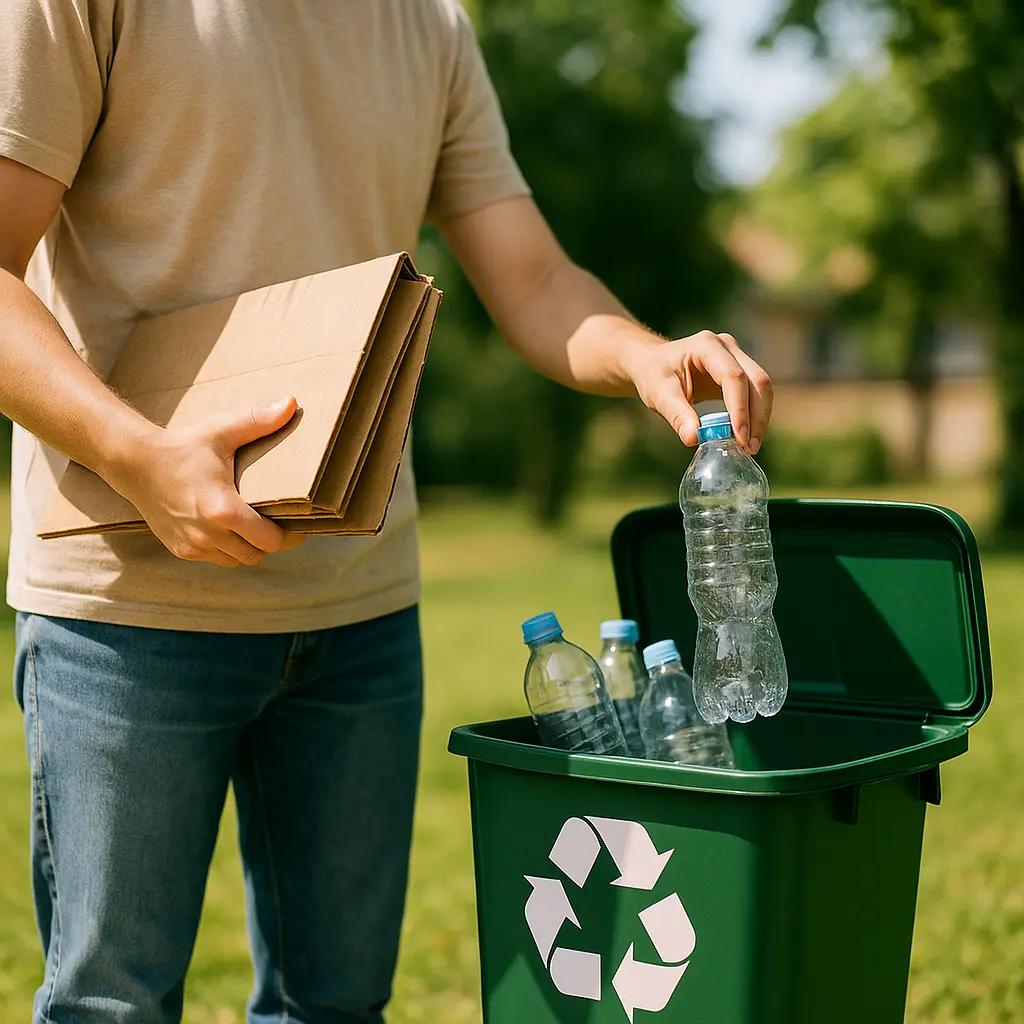
The universal recycling symbol, also called the Mobius loop, is a triangle of chasing arrows.
It was designed in the 1970s and has become one of the most recognisable icons in the world.
However, the presence of this symbol doesn’t always mean a material is recyclable in your area.
Companies sometimes print the arrows on any paper, plastic or metal package whether or not your local program will accept it.
That’s why it’s important to check your local recycling guidelines whenever you see it.
Other recycling logos include:
- Corrugated Recycles – This mark appears on cardboard made from corrugated fiberboard and tells you the box is accepted by curbside programs. Be careful: if the board is coated with wax to handle wet or icy contents, it can’t be recycled.
- Resin Identification Codes – Those numbers inside chasing arrows identify the type of plastic resin used to make a container. They help recycling facilities sort plastics but do not guarantee that the item is recyclable. Because the codes are allowed even when an item isn’t accepted by local programs, you should always verify whether plastics numbered 1–7 are collected in your city.
Understanding these common recycling symbols means you can instruct your customers on proper disposal and avoid misleading claims on your packaging.
When you work with Pakoro, we help you choose materials that match your local facilities so your packaging is truly recyclable.
2. Deciphering Biodegradable & Compostable Symbols

Bioplastics and plant‑based materials are booming, but they create a Wild West of competing logos.
You might see a fork stamped “biodegradable” and wonder whether it belongs in your home compost, your recycling bin or the trash. Here’s how to read the most common marks:
- Biodegradable Products Institute (BPI) – The BPI logo certifies that a product has been independently tested to meet ASTM D6400 standards. Important: these items must be processed in a commercial composting facility and should never be thrown in household compost or recycling.
- Seedling Logo & Home Compostable – Developed by the Australian Bioplastics Association, the Seedling mark indicates industrial compostability, while the Home Compostable logo means the product will break down in your backyard bin. These symbols are widespread across Asia and Australia and increasingly common worldwide.
- OK Compost & OK Compost HOME – Created by the European organisation Vincotte, the OK Compost certification is considered the gold standard. Separate logos differentiate industrial facilities from home compost bins. Vincotte also tests for biodegradability in soil, marine and fresh water environments.
When you see these logos, think about the end‑of‑life of your product.
At Pakoro we can help you choose compostable materials and inform your customers whether they need to send the packaging to a specialised facility or simply add it to their garden compost.
3. Material Content & Sustainability Certifications

Beyond recyclability and compostability, green packaging symbols also tell you where your materials came from.
This information matters because it shows how much recycled content is used and whether forests and farms were managed responsibly.
Pre‑consumer vs. Post‑consumer recycled content
Pre‑consumer content comes from scraps and trimmings on the factory floor, while post‑consumer content has already been used by consumers and diverted from landfills.
Your packaging may include notes about the percentage of each; typically, higher post‑consumer content signals greater sustainability.
Forest stewardship certifications
Several non‑profit organisations certify responsible forestry and paper sourcing. Key logos include:
- FSC® Certified – The Forest Stewardship Council provides three labels: FSC 100% for products made entirely from responsibly managed forests; FSC Mix for goods containing a blend of FSC virgin fibre and recycled material; and FSC Recycled for items made from 100% recycled fibre【262080378482361†L270-L288】.
- Sustainable Forestry Initiative (SFI) – Focusing on North American forests, SFI uses similar standards to the FSC but allows more detail about recycled content and sourcing. It has raised its standards in recent years.
- Programme for the Endorsement of Forest Certification (PEFC) – Headquartered in Switzerland, PEFC is the world’s largest forest certification system. Its labels always include a certification number and may provide extra information about the source.
Recycled and biobased material marks
Other logos indicate the amount of recycled or plant‑based content:
- 100% Recycled Paperboard – Guarantees that the paperboard is made entirely from recycled pulp, not virgin fibre.
- USDA Certified Biobased Product – Part of the U.S. Farm Bill, this program reduces reliance on petroleum by requiring minimum percentages of biobased material.
- OK Biobased – Vincotte’s European counterpart to the USDA label, often used alongside it for international products.
- SCS Certified Recycled Content – Issued by SCS Global Services, this mark verifies that a product meets ISO 14021 and U.S. Federal Trade Commission standards for pre‑consumer and post‑consumer recycled material.
Additional ecolabels and social certifications
Symbols from conservation groups and ecolabelling pioneers help consumers recognise brands that support environmental and social causes:
- World Wildlife Fund (WWF) – Although the WWF panda isn’t a certification, companies that donate to the organisation can print the logo on their packaging. It signals support for wildlife conservation.
- ECOLOGO® – Awarded by UL, this label certifies reduced environmental impact across many product categories, including packaging and recycled plastics.
- Green Seal® – One of the earliest ecolabels, Green Seal certifies paper products, cleaning supplies and packaging according to ISO 14020/14024 standards.
- Rainforest Alliance – The green frog means the paper or cardboard comes from FSC‑certified forests and that farmers and foresters follow social and ecological criteria.
- Printed with Soy Ink – Overseen by the American Soybean Association, this mark shows that soy‑based inks were used instead of petroleum‑based alternatives, leading to more accurate colours and easier recycling.
Understanding these logos helps you choose materials that align with your brand’s values. At Pakoro, we source certified paper and board and ensure your product labels accurately reflect recycled or biobased content. Feel free to ask us about combining multiple certifications on a single package to tell your sustainability story.
4. Why Green Packaging Symbols Matter for Your Business
It’s tempting to see logos as marketing fluff, but they serve a much deeper purpose. When you correctly use and explain green packaging symbols, you:
- Build trust – Eco‑labels demonstrate to customers that your company cares about the environment and complies with standards.
- Avoid green‑washing – Misusing recycling or compost symbols can mislead consumers and even result in legal issues. Learning the differences protects your brand.
- Educate your customers – Clear instructions empower buyers to dispose of packaging properly, increasing recycling rates and reducing contamination.
- Stay ahead of regulations – Governments across the globe continually update packaging laws. Using the right symbols keeps you compliant and prepares you for future rules.
By taking green labelling seriously, you not only reduce your environmental footprint but also connect with the growing number of eco‑conscious shoppers. If you’re unsure which marks apply to your product, Pakoro is here to guide you.
5. Choosing & Implementing Green Packaging with Pakoro

Ready to put this knowledge into practice? Here are steps you can take, and Pakoro can help with each one:
- Assess your product’s end‑of‑life – Will customers recycle, compost or throw away your packaging? Selecting materials that align with local facilities ensures your logos are honest and effective.
- Select appropriate certifications – Decide which labels (FSC, USDA Biobased, OK Compost, etc.) best match your materials and target market. We can navigate the certification process for you.
- Design for education – Make sure the symbols are readable and accompanied by brief instructions. Use bold text like “Commercially compostable only” or “Recycle where facilities exist” to avoid confusion.
- Stay consistent with your brand – Green logos should complement your visual identity. We create custom packaging that integrates sustainability marks without compromising aesthetics.
- Engage customers – Encourage readers to scan a QR code linking to your sustainability page or to contact us for more details. Interaction deepens the connection and helps them learn about proper disposal.
At Pakoro, we specialise in end‑to‑end packaging solutions, from material selection and structural engineering to design, printing and fulfilment.
We collaborate with you to choose eco‑friendly materials, secure necessary certifications and craft packaging that speaks to your values.
Visit pakoro.com to explore case studies or reach out through our contact page to start a project.
Conclusion
Green packaging symbols aren’t just tiny icons; they’re part of a larger story about sustainability, transparency and responsibility.
By decoding universal recycling marks, understanding compostability logos and recognising certifications that safeguard forests and support recycled content, you empower your customers and strengthen your brand.
Pakoro is here to help you navigate this evolving landscape.
Together we can design packaging that’s not only beautiful and functional but also truly sustainable.
Ready to build trust with your customers and contribute to a greener future? Let’s talk!