When you’re searching for sustainable packaging, the terms biodegradable and compostable appear everywhere.
They sound similar, but choosing incorrectly could harm your brand and the planet.
This article shows you the critical differences so you can pick the right eco‑friendly materials for your products.
What Is Biodegradable Packaging?

Biodegradable packaging is made from materials that microorganisms break down over time.
In the right conditions, fungi and bacteria turn these boxes, films, and utensils into simpler chemical components.
That sounds great, right?
Yet, not every product labelled “biodegradable” degrades quickly or safely; some plastics with additives can take years and may release toxic residues.
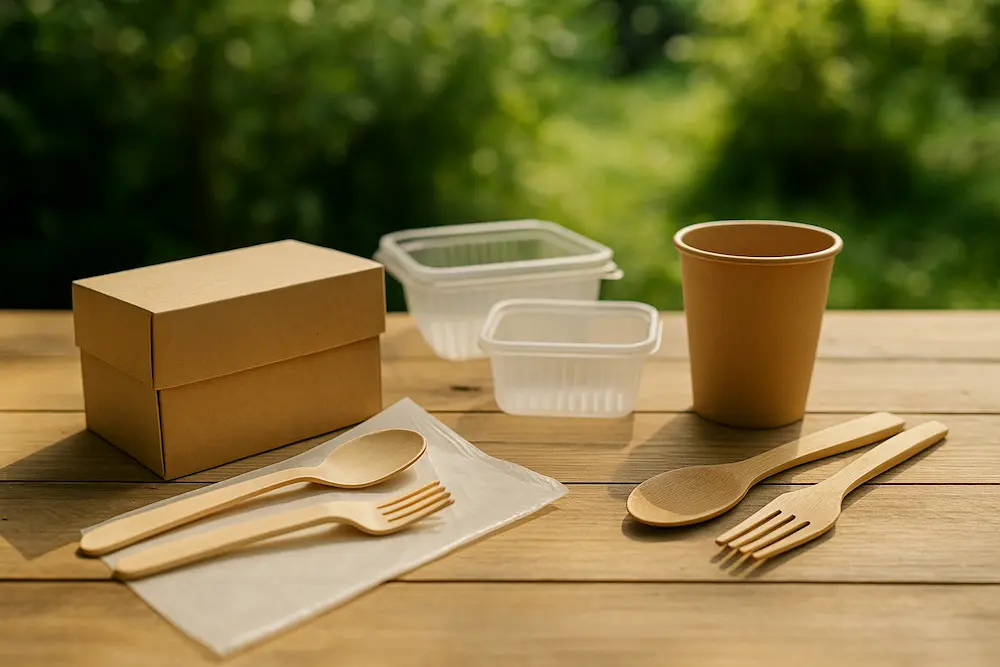
Typical biodegradable packaging includes paper boxes, bioplastics, cellophane films, and even bamboo.
Their organic structure allows them to break down naturally within a few months.
However, if you are shipping food or fragile goods, you need to ensure the material protects your product while staying safe for consumers.
What Is Compostable Packaging?

Compostable packaging is a step up.
These materials break down into nitrogen, calcium, phosphorous and other nutrients that enrich the soil.
Certified compostable products must decompose within 90–180 days and leave no toxic residue.
To achieve this, composting happens through four stages—initial, active, maturation and curing—where microorganisms consume the material and produce beneficial compost.
When you choose compostable packaging, you’re not just reducing waste.
You’re creating something that returns to the earth and supports new life.
It’s important to check for ASTM certifications because only properly certified materials truly meet these strict standards.
Key Differences Between Biodegradable and Compostable Packaging
Understanding the distinctions helps you make an informed choice:
Environmental Impact
Biodegradable plastics can break down into micro‑materials and release methane—a potent greenhouse gas—when they decompose in landfills. Compostable packaging, however, degrades into non‑toxic elements that nourish soil and plants.
Decomposition Time
Biodegradable materials often degrade within three to six months, but some take years. Compostable products are required to break down completely in 90–180 days.
Material Composition
Biodegradable items may still be petroleum‑based plastics blended with additives, producing carbon dioxide and methane when breaking down. Compostable materials are plant‑based, using corn starch, potato starch or plant pulp, and decompose into beneficial nutrients such as calcium and nitrogen.
Conditions Required
Biodegradable packaging degrades in the presence of oxygen, water and light, but can fail to break down properly in landfills. Compostable materials need a controlled composting environment, often industrial facilities that manage temperature and aeration. Always verify the disposal instructions—industrial compostable products are not suitable for backyard compost bins.
100% Biodegradable vs Compostable
Remember that 100% biodegradable does not guarantee compostability. Some chemicals degrade completely yet leave toxic by‑products; they are biodegradable but not compostable.
How to Choose Sustainable Packaging
You want packaging that protects your product, delights your customer and respects the planet. Here’s how to decide:
1. Recyclability: Materials like cardboard and kraft paper are easy to recycle, easing pressure on natural resources and reducing landfill waste. Look for compostable products with established collection programs; they should be available to at least 60% of the population.
2. Environmental Safety: Packaging should not leave toxic residues or emit harmful gases. Plant‑based compostable plastics degrade quickly and enrich the soil.
3. Product Sensitivity: Match the material to your goods. Delicate items need protective packaging, while food requires food‑grade materials. Be wary of biodegradable trays that might contaminate food if stored too long.
4. Shipping Needs: If your packages travel far, choose materials that can withstand transit while still being compostable or recyclable. Durable compostable mailers score high on sustainability and reliability.
5. Certification: Don’t take labels at face value. Check for trustworthy certification logos like the BPI Compostable logo and confirm any claims. This helps you avoid greenwashing and ensures compliance with standards.
Conclusion
By now you know that biodegradable and compostable are not interchangeable. Compostable packaging leaves no toxic trail and supports a circular economy, whereas many “biodegradable” plastics degrade slowly and may release pollutants. Choosing eco‑friendly materials shows your commitment to the planet and to your customers’ well‑being.
As a packaging expert at Pakoro, I’m here to guide you. Whether you need custom boxes, mailers, or bags, we tailor sustainable solutions to your product’s needs. Let’s work together to reduce your environmental footprint and elevate your brand.