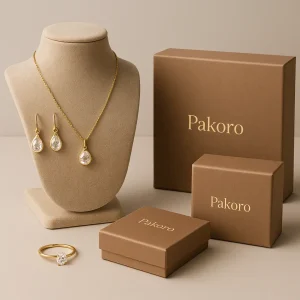
Looking to enhance your cosmetics packaging in a way that protects the planet and wows your customers?
You’re in the right place.
As a packaging expert, I’ve helped numerous beauty brands like yours adopt sustainable materials, minimize waste, and keep consumers engaged.
Today, you’ll discover 9 simple yet powerful strategies to create eco-friendly cosmetics packaging that truly reflects your commitment to responsible beauty.
Use the quick reference below for a snapshot of these strategies, and keep reading for details, real-world examples, and practical tips you can use immediately.
| Strategy | Key Benefit | Main Action Step |
|---|---|---|
| 1. Choose Recyclable Materials | Lower Environmental Footprint | Opt for glass, aluminum, or cardboard |
| 2. Opt for Minimalistic Designs | Reduce Excess Waste & Costs | Eliminate extra layers and simplify visuals |
| 3. Consider Biodegradable Alternatives | Shorter Decomposition Time | Experiment with plant-based plastics and compostable materials |
| 4. Incorporate Refillable & Reusable Options | Extend Packaging Lifecycle | Offer refill pouches or containers to customers |
| 5. Make Custom Packaging Eco-Friendly Too | Reinforce Brand Image & Values | Use sustainable materials for influencer or retail unboxing experiences |
| 6. Collaborate with Suppliers for Change | Ensure Full Supply Chain Accountability | Request proof of sustainability practices from packaging manufacturers |
| 7. Educate Your Consumers | Promote Responsible Disposal & Loyalty | Provide clear recycling instructions and publicize eco-friendly credentials |
| 8. Measure & Communicate Impact | Boost Transparency & Brand Trust | Track carbon reductions; share progress in marketing campaigns |
| 9. Continue to Innovate | Stay Ahead of Eco-Conscious Trends | Experiment with water-based inks or mushroom-based packaging |
Keep reading to learn how each of these steps can transform your brand’s approach to sustainable cosmetics packaging.
1. Choose Recyclable Materials
Choosing recyclable materials is one of the most effective ways to begin your sustainability journey. You instantly reduce your carbon footprint and simplify your customers’ end-of-life disposal options.
Why This Matters:
Recyclable materials such as glass, cardboard, and aluminum support a circular economy. Glass jars can often be reused at home or recycled into new products without losing their integrity. Meanwhile, cardboard or paperboard packaging is lightweight, easily customizable, and typically made from renewable resources. Aluminum also requires fewer natural resources to recycle than producing fresh metal.

How to Do It:
- Select glass jars for skincare items that thrive in non-porous containers.
- Use high-quality cardboard for outer boxes, ensuring no plastic lamination is added.
- Feature an “Please Recycle” note on every product to remind customers to recycle.
A key transitional point: switching your cosmetics packaging from single-use plastics to widely recyclable materials can feel like a big commitment at first. However, you’ll see long-term environmental benefits and generate positive brand perception.
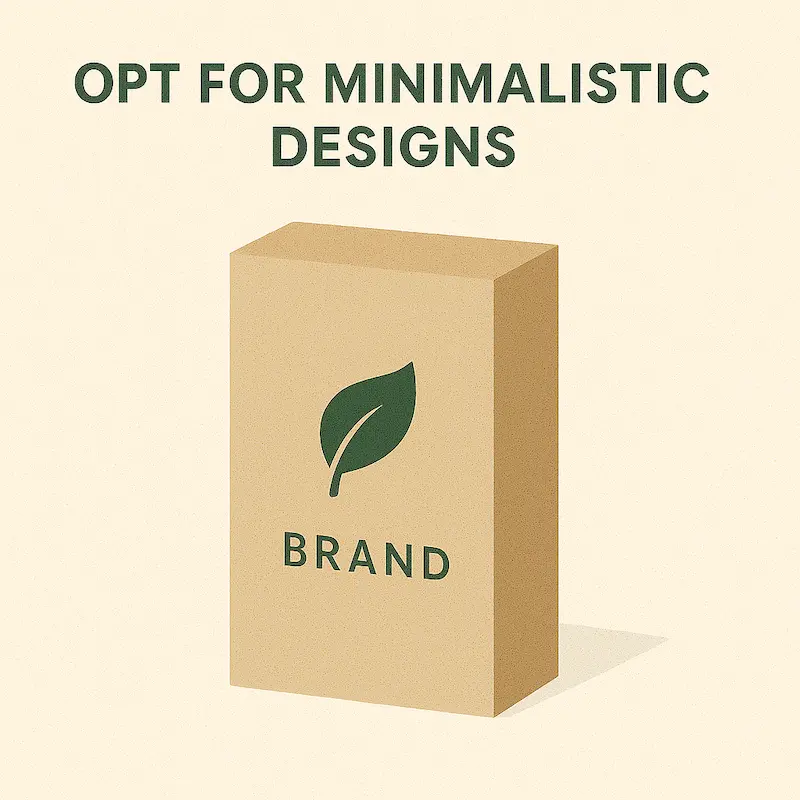
2. Opt for Minimalistic Designs
Minimalistic packaging revolves around the principle that less is more. You reduce clutter and waste, while delivering a clean aesthetic that resonates with modern consumers.
Why This Matters:
Minimalism cuts material costs, lowers transport expenses, and showcases your brand’s sophistication. Overly elaborate packaging not only increases waste but also confuses consumers who must sort multiple layers for recycling.
How to Do It:
- Limit unnecessary layers, such as extra inserts and multiple plastic wraps.
- Focus on essential branding elements, like a simple logo and short messaging.
- Print brand details or instructions directly on the package instead of including leaflets.
Moreover, minimalistic packaging provides a sleek unboxing experience that aligns with your eco-friendly messaging. Therefore, when you simplify your design, you also uphold a consistent brand narrative.
3. Consider Biodegradable Alternatives
When searching for more eco-friendly packaging for cosmetics, you might explore biodegradable and compostable materials. These alternatives break down at a much faster rate than traditional plastics, often leaving less residue in landfills.
Why This Matters:
Materials such as plant-based plastics, biofilms, or mushroom packaging significantly cut down on your total environmental footprint. They decompose in proper facilities, thus reducing the harmful impact of microplastics on oceans and wildlife.
How to Do It:
- Consult with your packaging manufacturer about PLA (polylactic acid), made from cornstarch or sugarcane.
- Pilot small product lines in compostable mailers or pouches to test effectiveness.
- Clearly mark packages as “Biodegradable” or “Compostable” to guide consumer disposal.
In addition, consider carrying out consumer education campaigns to show how these materials decompose. This extra step can deepen trust and loyalty.
4. Incorporate Refillable & Reusable Options
In a world where single-use items dominate, offering refillable and reusable packaging will set your cosmetics brand apart. You’ll encourage repeat purchases while lowering packaging waste.
Why This Matters:
Your customers love convenience and value. If you provide a refillable container for lotion or a reusable mascara tube, you create a sense of exclusivity. Therefore, you strengthen brand-customer connections and reduce the volume of discarded materials.
How to Do It:
- Launch an in-store refill program for popular items like shampoos and conditioners.
- Sell refill pouches that use minimal plastic.
- Incentivize customers with a discount when they bring their own reusable containers.
Such tactics not only promote sustainability but also give you a competitive edge among eco-conscious consumers. Hence, investing in refillable packaging solutions can boost both profits and environmental gains.
5. Make Custom Packaging Eco-Friendly Too
Custom packaging like influencer boxes or limited-edition sets can still embrace sustainable packaging principles. You simply have to select the right materials and processes.
Why This Matters:
Many beauty customers appreciate the excitement of an unboxing experience. Yet, they also expect consistency in your sustainability policies. If your custom box is packed with foam inserts and plastic wraps, it sends mixed messages. Meanwhile, an eco-friendly custom package will show off your brand’s dedication to aesthetics and environmental responsibility.
How to Do It:
- Opt for FSC-certified paper to ensure responsible forestry.
- Replace plastic inserts with molded pulp or shredded paper.
- Use water-based or vegetable-based inks that are non-toxic and biodegradable.
When you weave eco-friendly elements into custom packaging, you reinforce your brand story and wow consumers who appreciate both creativity and mindful design.
6. Collaborate with Suppliers for Change
Collaboration with your packaging manufacturer and supplier network is vital for a holistic sustainability approach. You can’t do it alone, so working closely with partners who share your green vision is crucial.
Why This Matters:
Your supply chain can significantly affect your brand’s overall carbon footprint. If materials aren’t responsibly sourced, you may unintentionally support deforestation or pollution. Therefore, you must verify that your suppliers uphold the same ethical and eco-friendly standards.
How to Do It:
- Request FSC (Forest Stewardship Council) or other relevant certifications.
- Organize regular audits to ensure fair labor practices and minimal environmental impact.
- Share your sustainability goals so suppliers can innovate solutions to meet your standards.
By maintaining open communication, you foster meaningful partnerships that go beyond transactions. This cooperation can also spark new ideas, such as joint R&D on cutting-edge packaging solutions.
7. Educate Your Consumers
Your journey to sustainable cosmetics packaging isn’t complete unless you empower your consumers to recycle and reuse effectively. Education, after all, is the key to closing the loop.
Why This Matters:
A product is only as sustainable as its end-of-life disposal. Many well-intentioned customers might not know where or how to recycle certain packaging materials. So, making that information accessible helps them feel confident about their eco-friendly purchases.
How to Do It:
- Print simple icons or instructions on your product boxes.
- Include a link or QR code to a recycling guide on your website.
- Use social media to promote tips on reusing jars, disposing of compostable mailers, or locating specialized recycling centers.
By keeping your audience in the loop, you boost brand loyalty. Moreover, you reinforce a sense of community, as customers become active participants in your mission.
8. Measure & Communicate Impact
Transparency around your environmental impact is one of the most compelling ways to build trust. When you track and communicate your progress, you show that you walk the talk.
Why This Matters:
Modern consumers crave authenticity. Demonstrating tangible outcomes—like reduced carbon emissions or a percentage drop in packaging waste—paints a clear picture of how your sustainable cosmetics packaging benefits the planet. In turn, this transparency solidifies your brand’s authority.
How to Do It:
- Collect data on energy usage, carbon emissions, and waste throughout your supply chain.
- Publish annual sustainability reports highlighting key metrics.
- Incorporate impact badges or statements on your website: “This new packaging reduced waste by 30% in 2025.”
By focusing on measurable achievements, you keep your brand accountable. Consequently, you attract consumers who value integrity over mere greenwashing.
9. Continue to Innovate
The final step in creating eco-friendly packaging for cosmetics is to never settle for the status quo. Sustainable packaging evolves with technology, consumer awareness, and creative thinking. Keeping a finger on the pulse of innovation ensures your brand stands out.
Why This Matters:
You not only maintain a competitive edge, but you also contribute to broader industry progress. Innovation brings fresh materials, user-friendly designs, and ground-breaking processes into the mainstream.
How to Do It:
- Experiment with water-based inks to reduce chemical usage.
- Investigate mushroom-based or seaweed-based packaging for certain product lines.
- Stay updated on 3D-printing techniques that use biodegradable resins.
By continuously seeking better solutions, you foster an environment of growth. Moreover, you show consumers and peers that you are genuinely dedicated to sustainable cosmetics packaging.
Wrapping Up: Making Eco-Friendly Packaging Your Brand’s Signature
You now understand how to transform your packaging into a powerful symbol of your brand’s ethical stance. Each of these 9 ways—from choosing recyclable materials to innovating with new technologies—empowers you to reduce waste, conserve resources, and captivate eco-conscious customers.
Remember:
- Selecting recyclable or biodegradable materials sets a solid foundation.
- Simplifying designs and offering refillable options boosts user satisfaction and cuts waste.
- Collaborating with suppliers and educating consumers strengthens your entire sustainability ecosystem.
- Measuring your brand’s environmental impact and staying open to new solutions keeps your brand at the forefront of sustainable cosmetics packaging trends.
By focusing on these strategies, you position your cosmetics brand as a leader in the green revolution. You’ll not only craft a visually appealing product but also contribute to a healthier planet. As a packaging expert, I’ve seen the tremendous impact these steps can bring to forward-thinking beauty brands. Now it’s your turn to take action and make your packaging truly eco-chic.
Your customers, your bottom line, and the planet will thank you.